🗓️
Winning in Goddess of Victory: NIKKE is rarely about one strong character — it's five units covering each other's gaps. The right Burst chain, a healer who actually lives, and a carry pointed at the correct target will clear content that a pile of "S-tier" picks can't.
This guide gives you the best NIKKE teams for Campaign, every Arena, and the boss modes: the exact five slots, the Burst order, and who to swap in when you're short a key unit. If you're chasing the meta pulls, a NIKKE top-up is the quickest way to bank gems before a banner.
These are copy-and-build team comps, not a 160-entry database. Where a comp needs heavy investment or manual play, it says so; where a cheaper unit does the job, it points you there.
Best NIKKE Teams at a Glance
Short on time? These are the meta teams at a glance — each row is a full five-unit comp; the detailed sections below show the portraits, Burst order, and substitutes.
Names with a colon — Rapi: Red Hood, Scarlet: Black Shadow, Anis: Sparkling Summer — are alternate versions of a base unit. Grab the wrong one and the comp falls apart, so check before you invest.
How NIKKE Team Building Works
A team is five units, and everything runs on the Burst gauge. Each character is Burst I, II, or III, and they can only fire in that order — a Burst I opens, a Burst II follows, a Burst III triggers Full Burst, the short window where most of your damage happens. Skip a phase and Full Burst never fires, which is why five damage dealers lose to a balanced five.
Every Burst III sits on a 40-second cooldown, so strong teams run two Burst III carries that alternate, keeping Full Burst on a 20-second loop. Your Burst I and II want short cooldowns to hold that rhythm. The shapes you'll see most:
Two more levers decide specific fights rather than Campaign: element (Fire, Water, Wind, Electric, Iron each counter one other, and several bosses punish the wrong code) and the manufacturer bonus (three-plus units from Elysion, Missilis, Tetra, Pilgrim, or Abnormal grant extra stats).
Best NIKKE Campaign Teams
Campaign rewards teams that keep working on auto, survive a rising Combat Power deficit, and clear waves without perfect play. The core below has anchored the story meta for most of 2026.
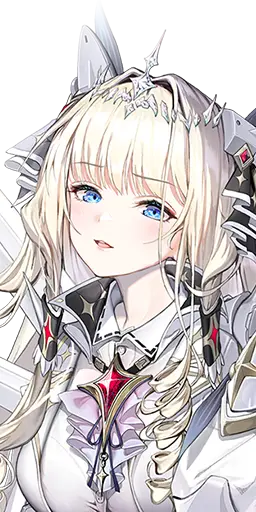
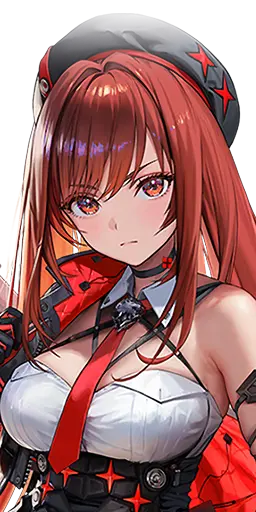
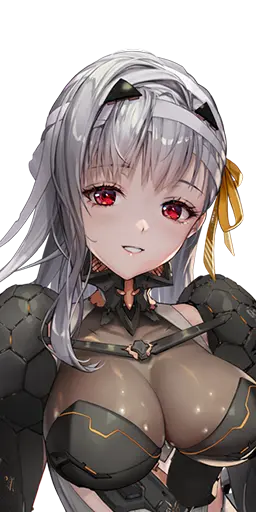

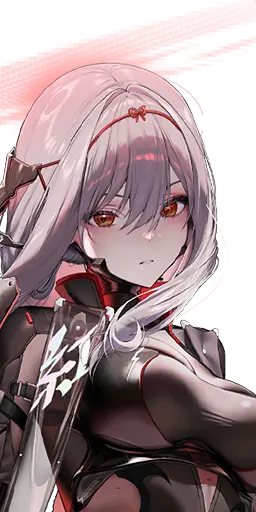
When Combat Power turns red and the game stops handing you wins, you're in high-deficit territory. You lean harder on Crown's buffs and a single-target hyper-carry, and you accept that red-bordered Pilgrims need real investment to pay off.
💡 Time your pulls — check the NIKKE Banner Schedule →
Best NIKKE PvP Teams
Arena is a different game. Long-term DPS matters less than burst speed and first-strike survival — whoever reaches Full Burst first usually wins. NIKKE has three Arena tiers, and your roster needs shift as you climb.
Rookie Arena Teams
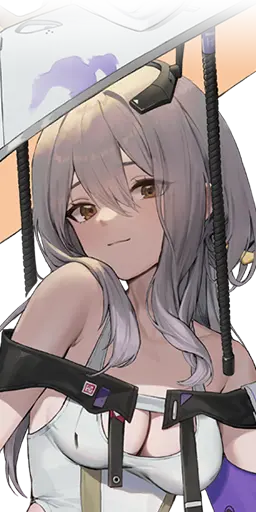
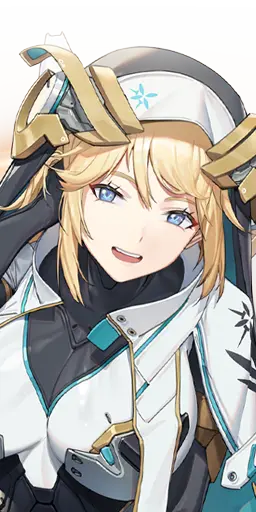
Rookie Arena only asks for one defense team, so you pack your five best into a single lineup. There's no clean wall against the four meta threats — Scarlet, Anis: Sparkling Summer, Alice, and Red Hood — so you aim to survive the opening hit and win the rematch.


Special Arena Teams
Special Arena is the three-team mode where attackers are favored and Combat Power gap is the real defense. You pick your attack matchups, so offense runs more variety; defense is punishing and far fewer units hold up.
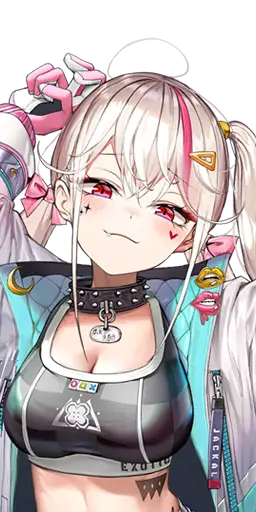
Speed decides who fires first, so teams get rated by how many rocket launchers they run for fast burst — a “3RL” team, for example. Two attack cores rule the ladder — Scarlet + Jackal, and Biscuit + Anis: Sparkling Summer — and no three defenses wall both at once.

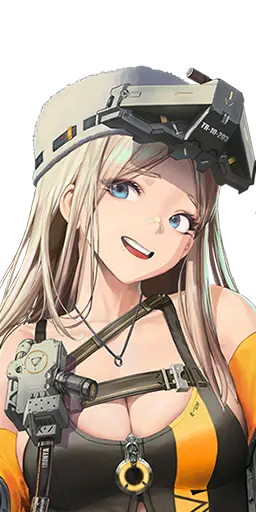
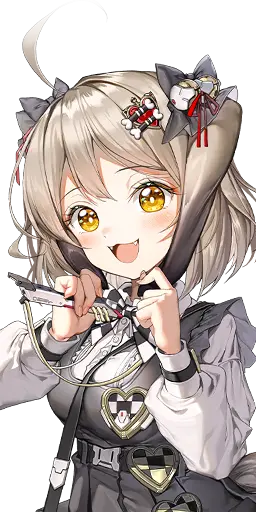
Champion Arena Teams
Champion Arena is NIKKE's top PvP, open to the top four of each Special Arena bracket. It locks every unit to level 400 and drops the CP penalty, so results come down to team-building and matchup reads, not account investment.
The big change is scale: you field five teams instead of three, and on your first entry the game auto-fills teams four and five from your SP Arena squads. Carry over your Scarlet + Jackal and Biscuit + Anis: Sparkling Summer cores, then diversify the extra slots so one counter can't sweep you. It's a newer, higher-stakes mode that's still being tuned, so expect the format to shift season to season.
Because everyone is equalized at 400, this is the one mode where a sharp off-meta pick can beat a whale, so spend prep time scouting rather than over-building.
Planning your anniversary pulls?
Anniversary banners are the best window to land the units these teams are built on. If you'd rather have gems ready before the stream, GamsGo gives you up to 30% off, so you can act the moment the banner opens.
Best NIKKE Boss and Raid Teams
Boss content rewards specialists. Here you care about part-break, pierce, and element matching far more than wave clear, so the teams look different from your Campaign core.
Best Team for Alteisen
Alteisen is the train boss in Special Interception. Phase one is about destroying its turrets and missile launchers and clearing the QTE — miss it and an AoE laser wipes the team. Pierce damage and cooldown reduction carry the fight, and a damage-reduction unit lets you tank a turret volley instead of i-framing it.

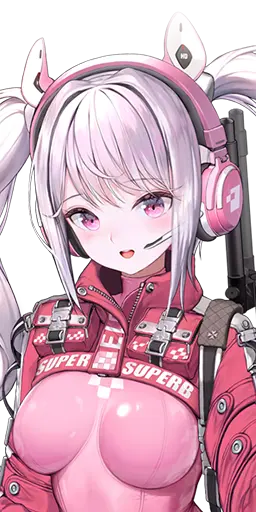
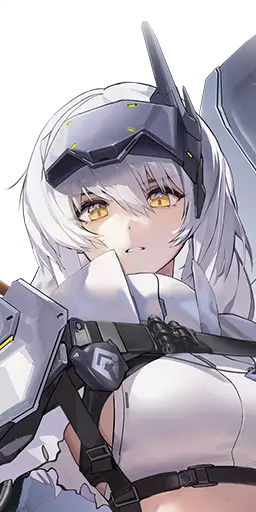
Best Team for Kraken
Kraken is an Anomaly Interception boss that's Wind-weak and strong against Electric. It isn't mechanically heavy, but it one-shots teams that skip the requirement, so you stack Wind DPS around a support core.


Best Team for Ultra
Ultra is an Anomaly Interception boss — an Electric unit that's Iron-weak and hits Water-code Nikkes hardest. The rule is simple: bring Iron or pierce damage, keep your Water units on the bench, and pack something that can clear the red-circle QTE.
Anomaly Interception and Union Raid Tips
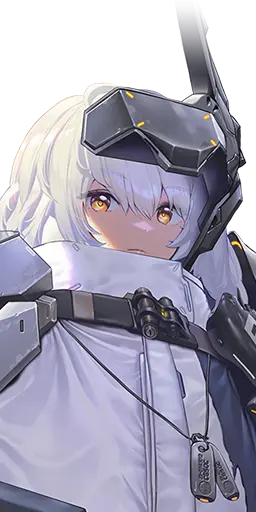
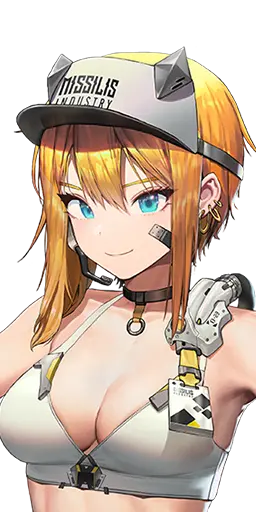
Anomaly Interception has five permanent bosses (Kraken, Mirror Container, Ultra, Harvester, Indivilia), each with its own element rule. The pattern repeats everywhere: pair a support core with the right on-element carries and bring the code the boss demands for its QTE. The Kraken and Ultra teams above are your templates; the other three bosses follow the same logic — cover the weakness, bring the code the QTE needs, keep your support core.
Union Raid pools damage across several teams, so your premium lineup leans on the same pillars with a single-target nuke added:
Raids reward depth: build a strong first team, then a viable second and third so you're not fielding the same five twice.
Meta and Specialized Teams
Two archetypes come up in searches but are narrower than a general best team.
Shotgun Teams
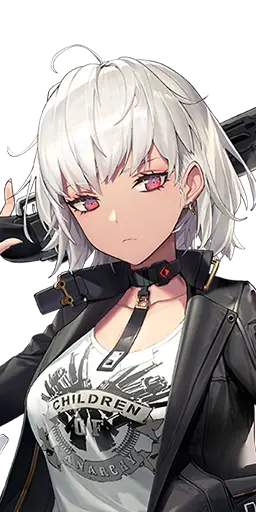
Shotgun comps shred close-range red circles — the Gravedigger interception is the classic case — and back certain PvP defenses built around Maiden: Ice Rose and Anis: Sparkling Summer. Build one when a fight calls for it, not as a daily team.



Element-Locked Teams
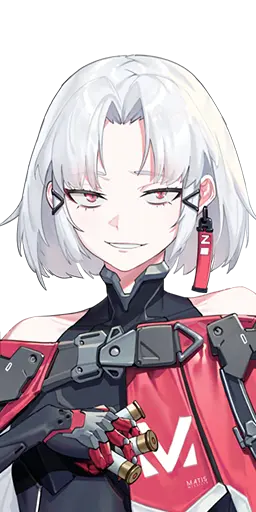
Mono-element squads exist only to satisfy a boss's weakness or clear its elemental QTE. You assemble one for that fight, then go back to your general core.
Best NIKKE Teams for Beginners and F2P Players
Early on you can clear most content with whatever the game hands you, as long as you cover all three Burst phases. Aim for a stable starter core you gradually upgrade into the meta teams above, and lock Liter first.
Final Thoughts
The throughline is simple: build by Burst structure, not by rarity. Get the Liter–Crown–Red Hood–Modernia–Naga core solid first, then specialize instead of rebuilding — a hyper-carry for the Combat Power wall, element and pierce for bosses, a separate speed-focused roster for Arena, and a cheap starter core you upgrade slot by slot as an F2P player.
Whatever the mode, a fully built five beats a shallow box of twenty, so invest in what you actually field. The meta has held steady through 2026, but the 4th Anniversary will reshuffle the top carries — save for Crown and Red Hood, and check back once the new units land.
NIKKE Best Teams FAQ
If I can only build one team, which should it be?
The General Meta Core — Liter, Crown, Rapi: Red Hood, Modernia, and Naga. It's the safest place to sink limited skill books and gear, because every unit in it keeps a job once you branch into raids, Anomaly bossing, and Union Raid. Take it to 10/10/10 before you spread resources across a second squad.
Should I pull Crown or Red Hood first?
Crown, in almost every case. As the best Burst II in the game, she amplifies whatever carry stands behind her, so she pays off across Campaign, bosses, and raids alike. Rapi: Red Hood is the stronger second pull — grab her once Crown is built, or first only if you already own Crown.
Can one team clear every mode?
No, and chasing that will stall you. The Campaign core carries story and farming, but bosses punish you for ignoring element and part-break, while Arena is won on burst speed and first-strike survival rather than raw DPS. Build one solid general team first, then branch into a few specialists as each mode demands.
What if I'm missing Crown?
You'll be fine for a while. Slot in a universal Burst II like Naga or Blanc alongside a strong Burst I enabler such as Liter, and most Campaign and Anomaly content still clears. You just won't reach the same damage ceiling on high-deficit stages or hard bosses, so keep Crown near the top of your pull priorities.
Why won't my Burst skill fire on auto?
Almost always a Burst-phase gap. On auto, the game scans left to right for a Burst I to open the chain, then needs a Burst II and a Burst III to reach Full Burst. If any phase is missing, the rotation stalls and your big skills never fire. Make sure every team covers one of each: Burst I, II, and III.
Do I need limited or collab characters for these teams?
No. The cores here are built on permanent units you can pull year-round, so missing an old collab or limited banner won't lock you out of any mode. Collab and limited picks are situational upgrades — they can raise your ceiling on a specific boss or in PvP, but none of them is a requirement to clear content.
Is it worth building a separate roster for PvP?
Once you reach Special Arena, yes. The best Arena units — batteries, invulnerability shields, and burst nukes — barely overlap with your PvE carries, and defense is unforgiving, so recycled Campaign teams get run over. Invest in dedicated speed-and-survival squads, and use the three Arena tiers to gauge how deep to go.