Palworld hit its full 1.0 release in July 2026, closing two and a half years of Early Access. Pocketpair, the studio behind the game, has confirmed a free major update called "Side by Side" for this winter, and every teaser reignites the same debate: with a roster this big, which Pals actually earn a spot on your team?
This Palworld best pals tier list is here to settle it. It ranks the roster from S to D by element for combat, so you can jump straight to the type your team runs, then covers the best base Pals for running your camp, the fastest mounts, and which Pals are worth catching or breeding first.
Not everyone has the hours to grind out a specific legendary or build a giant base from the ground up, and that's completely fine. If you'd rather not, you can buy Palworld items on GamsGo: a Pal you choose yourself, or a ready-built sea-castle base save, both cheaper than you'd expect, so you get straight back to the part of the game you actually enjoy.

🔎On this page: Tier List by Element · How We Rank · Best by Role · Top Combat Pals · Best Base Pals · Best Mounts · Catch & Breed First · New 1.0 Pals · Final Thoughts · FAQ
Palworld Best Pals Tier List by Element
Element decides almost everything in a fight — the right type turns a hard boss into a clean break, the wrong one bounces off. So this tier list splits by element: tap a type to load its own S-to-D ranking, with each Pal graded against others of its element rather than the whole roster, built for combat first since that's where element matters most. Base work and mounts get their own sections further down.
Fire
Water
Grass
Electric
Ice
Ground
Dark
Dragon
Neutral
Jormuntide Ignis
Blazamut Ryu
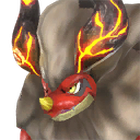
Blazamut
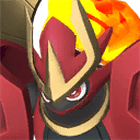
Knocklem Ignis
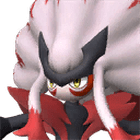
Renjishi
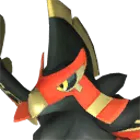
Faleris
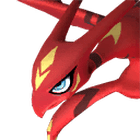
Suzaku

Flaracle
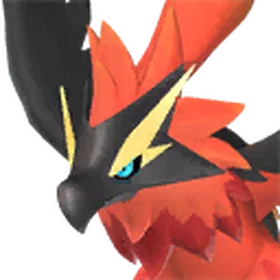
Ragnahawk

Blazehowl
Vanwyrm

Bushi Noct
Arsox
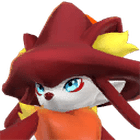
Wixen

Kitsun
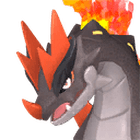
Reptyro
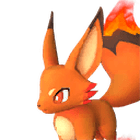
Foxparks
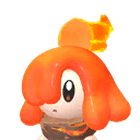
Flambelle
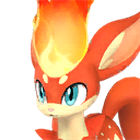
Rooby
Fire is the best early answer to the game's Grass and Ice zones. Jormuntide Ignis is the one to build around — it doubles as your top kindling worker
Dual-element Pals appear under both of their types — Jormuntide Ignis sits in Fire and Dragon, Orserk in Electric and Dragon. These placements read combat value first; several of these Pals matter even more at your base, which the next sections cover.
New to Palworld? The key terms in one place
A Pal is a catchable creature you fight with, ride, and put to work. Each has one or two of nine elements — Neutral, Fire, Water, Grass, Electric, Ice, Ground, Dark, Dragon — that follow a rock-paper-scissors chart. A Partner Skill is the unique bonus a Pal gives while it's in your party or deployed.
Work Suitability is the set of base jobs a Pal can do — Kindling, Watering, Mining and so on — each rated by level. Condensing fuses duplicate Pals to raise a star rank, and breeding combines two Pals to pass down traits (passive skills). Ancient Technology Points unlock endgame gear, and many top Pals drop from raid bosses rather than the open world.
How We Rank Every Pal in Palworld
Version and Investment Assumptions
Every placement reflects the live 1.0 game through patch 1.0.5, and assumes realistic investment rather than a flawless account. A Pal that delivers at base, or after a couple of condense ranks — fusing duplicate copies to raise its star level — beats one that only comes online at five stars with perfect passive skills. Where a Pal needs that kind of heavy lift to climb, the entry says so rather than assuming it.
Why Elements and Work Suitability Drive the List
Combat in Palworld runs on a type chart — the rock-paper-scissors idea most creature games use, but it bites harder here. A super-effective hit deals double damage, and a dual-typed Pal weak to your element twice over eats a brutal 4x, while a bad matchup leaves you chipping away and taking double in return. That's why type usually outweighs raw stats, and why this list is split by element. A Fire Pal melts Grass and Ice but stalls on Water.
Away from combat, a stat called Work Suitability sets a Pal's base value, and the two rarely line up. The 1.0 update raised every work cap to Level 10, so a handful of specialists now carry whole production lines. A Pal that fights in A tier and also mines or crafts at a high level is worth far more over time than a pure fighter you only pull out for boss runs.
How Combat, Base Work, and Travel Change the Picture
What you're doing decides which Pals matter, so the same roster reads three ways:
- Combat and raids — element matchups and Partner Skills decide fights, so type coverage beats a single big hitter.
- Base automation — Work Suitability levels rule, and the best workers are often mediocre fighters.
- Exploration — mount speed and stamina matter most, and the fastest mounts are a separate shortlist entirely.
So the most valuable Pals are the ones that cover more than one of those jobs — a reliable mount that also fights, or a carry that mines when it's not in your party.
Best Palworld Pals by Role
A tier letter tells you how good a Pal is, not what it's for. This shortlist pairs the standouts across combat, base, and travel with the one job that earns them a permanent slot.
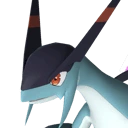
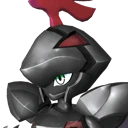



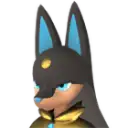


Those roles explain why each Pal sits where it does. Now for the handful of combat Pals that anchor the most teams — and how each one actually feels to play.
Why the Top Palworld Combat Pals Rank So Highly
The list showed where Pals land; here's why the names at the top anchor so many teams. Each turns one mechanic — speed, a Partner Skill, or a base job — into repeatable value you feel every session.
Jetragon: The Fastest Thing in the Game
Jetragon is the fastest Pal in the game, with a ride sprint around 3,300 that more than doubles most late-game flyers. The first time you catch one, the map genuinely feels smaller. Its Partner Skill, Aerial Missile, hands you a rocket launcher in mid-flight, so you kite bosses from the air while nothing on the ground reaches you. It often rolls the Legend passive too (+20% Attack, +20% Defense), stacking real damage onto all that speed.
Because it's a catchable legendary rather than a raid drop, a determined mid-game player can lock down the best flyer and a top Dragon carry in a single hunt. The one real caution is the typing itself: ride a Dragon into Ice country and you'll feel every hit, which is why you keep Frostallion benched right next to it.
Necromus and Paladius: The Legendary Ground Duo
These two are a matched pair. Necromus (Dark) and Paladius (Neutral) each ride at roughly a 1,900 sprint with a double or triple jump for broken terrain, and their spear-rush skills summon one another — trigger Necromus's rush and Paladius charges in to strike beside you, and vice versa. Necromus hits harder raw; Paladius takes no elemental bonus damage, the safer body against an unknown boss.
You usually fight one to catch the other, and most players keep whichever matches their team. On the ground they're the quickest way around rough terrain where a flyer feels clumsy, which makes them the ride of choice for close-quarters boss arenas.
Frostallion: Your Ice Answer to the Dragon Meta
The endgame is crawling with Dragons, and Dragons fold to Ice, which is Frostallion's whole pitch. Its Partner Skill, Icy Steed, turns every shot you fire while mounted into Ice damage and piles on Freeze buildup, so a plain assault rifle starts landing doubled hits on a Dragon boss. Bring it to a tower that's been wiping your run and the fight often just ends. The ride also lifts your Attack up to 40%, and Frostallion rolls Legend naturally.
That makes it less a general carry than a targeted answer: you bring Frostallion to the fights where it swings a hard matchup in your favor. Its Dark variant, Frostallion Noct, trades the Ice niche for raw Dark output and sits among the best fighters in that type.
Jormuntide Ignis: A Carry That Runs Your Base
Jormuntide Ignis is the double-duty pick. Its Partner Skill, Stormbringer Lava Dragon, cancels lava damage and boosts the damage you and your team deal to anything afflicted with Burn — up to 65% — so your Fire line snowballs the moment a target is lit. At base it sits at Kindling 7, enough to keep furnaces and the electric furnace fed. One build covers your Fire team and your smelting at once.
It's commonly bred rather than hunted, which puts it within reach without a legendary grind. Pair it with any Fire line and you've got coverage for the Grass and Ice biomes that give early players trouble, plus a smelting engine that never asks for a second slot.
Blazamut: The Fire Bruiser That Mines
Blazamut is a heavyweight Fire bruiser that doubles as one of the best miners in the game at Mining 7. Park it on an ore vein and it tears through the ore and coal that gate every mid-game forge and weapon upgrade. In a fight, its Partner Skill Magma Kaiser stacks an Attack-and-Defense buff on your active Pal each time you down an enemy — up to five stacks — so it pays off on long boss bars.
Its Dragon cousin, Blazamut Ryu, trades some of that base utility for a stronger combat profile and the Dragon typing. Either way, this is the kind of Pal the tier list rewards most: one that keeps working whether or not it's in your active party.
Best Palworld Base Pals for Every Work Type
Combat is only half of Palworld. The other half is a base that keeps running while you explore. This base Pals tier list ranks the best worker for each job by Work Suitability level, not fighting power. Kindling smelts your ore, Watering keeps plantations growing, and Generating Electricity powers the crafting lines, so one weak lane bottlenecks everything downstream. Below is the top work Pal per job, plus the all-rounders that save you slots.


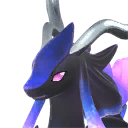

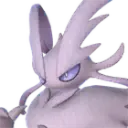


Farming is the odd one out: the best Ranch Pal — the one you drop in your base pen to churn out materials — is simply whichever species gives the resource you're after, from wool to eggs to honey. For every other job, two all-rounders quietly save you slots. Anubis covers Handiwork, Mining, and Transporting on its own, while Dandilord handles Planting, Medicine, and Handiwork. Early on, one solid generalist beats three specialists you haven't caught yet.
Best Palworld Mounts for Flying, Ground, and Water
Mounts are a separate race from combat — here the only stat that counts is how fast you cross the map. These are the speed leaders in each travel type, with an early-game pick so you're not stuck on foot before the legendaries arrive.
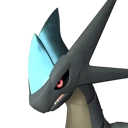
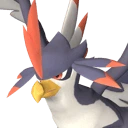



Jetragon (around a 3,300 sprint) is the all-around travel king, but a flyer isn't always the answer. Low cave ceilings and walled boss arenas reward a quick ground mount like Hartalis (~1,900), and Neptilius actually swims faster (~1,800) than it rides, making it the pick for long coastlines and sea dungeons. One fast flyer covers most of the map; add a ground and a water mount and the gaps close.
Which Palworld Pals Should You Catch and Breed First?
Priorities for New Survivors
Keep it simple: one mount, one fighter, one worker. An early flyer like Nitewing opens up the map, a sturdy mid-tier fighter handles the first boss towers (the big checkpoint fights that gate your progress), and a couple of base Pals keep your crafting ticking. Don't spread Pal Spheres across half the roster chasing rares; a small team that actually works beats a big half-built one every time.
Best Pals for Base Automation
Once you've got a home base, the smart move is full job coverage before you chase more legendaries. The best base Pals pull double duty: an all-rounder like Anubis — Handiwork 6, Mining 6, Transporting 4 — fills three roles in one slot, and Orserk at Generating Electricity 8 powers the assembly lines and electric furnace that define the mid game. A base that runs itself is what frees you to go hunting instead of babysitting crafting queues.
Pals Worth Breeding for Passives
Breeding is where a good Pal turns into a great one. Pairing two Pals passes down passive skills, and the best ones stack — Legend alone is +20% Attack, +20% Defense, and +15% move speed, and you can layer it with Ferocious or Lucky. It's also how most players land Jormuntide Ignis without hunting a legendary. Set one breeding pair running early and let it tick over while you explore.
Where the New Palworld 1.0 Pals Fit
Start with the new Pals you can actually catch, because a few of them simply replaced the old favorites. Aegidron is now the Dragon you mine with, Hartalis the fastest ground mount, and Neptilius the Water benchmark for fighting and swimming alike. Starryon Primo rounds the group out as a Neutral carry whose speed climbs with its party. None of them need a raid, so they're the first 1.0 additions worth your time.
From there, the climb gets steeper. Xenolord, the Dark-Dragon boss you summon at an altar, hits hard but stays locked behind a fight rather than a simple catch, so it's the kind of Pal you work toward once your team already stands on its own. The pattern is worth keeping in mind: the new Pals that plug a gap are catchable, while the showiest ones ask you to clear a raid first.
What actually moves the needle for most players, though, isn't any single Pal. Version 1.0 raised every Work Suitability to Level 10, so the base specialists you already own now out-produce anything you ran in Early Access. A roster you built months ago quietly got stronger the day the update landed, before you caught a single new face.
That upward drift isn't finished, either. The free "Side by Side" update lands this winter with more Pals and another balance pass, and the mid-tiers are where it'll show first. So read any tier list near a patch the way we do: commit to the Pals that stay good across versions, and hold off on the borderline ones until the dust settles.
Final Thoughts
Step back and this ranking is a planning tool, not a verdict. Tiers tell you how much a Pal can do; your world tells you what it needs. In our own saves, the fastest climbers are rarely the players with the most legendaries. They finish one element team, cover every base job, and keep a fast mount on standby, then chase a legendary only when a specific fight or biome forces it.
Palworld is a finished game now, but a living one, so new Pals and balance passes will keep nudging these placements. Use the tiers to narrow your shortlist, then let your own bottleneck make the call. And if you're outfitting a base or a team for the next region, it's worth checking what GamsGo offers before you start the grind.
Frequently Asked Questions
Which Pal Should You Catch First in Palworld?
An early flying mount, not a fighter. Something like Nitewing opens up the map and trivializes travel long before raw combat power matters. After that, add one sturdy mid-tier fighter and a base worker or two. A small, functional team clears the early towers far faster than a roster of half-caught rares you can't deploy together yet.
Is a Legendary Pal Always Better Than a Common One?
Not for every job. Legendaries like Jetragon and Frostallion win combat and mounting, but your base runs on workers, and the best Kindling, Mining, or Medicine Pals are often common species you can catch early. Match the Pal to the task — a legendary sitting in a crafting slot it's bad at is wasted potential, not an upgrade.
What's the Best Combat Pal in Palworld 1.0?
Jetragon for all-around value. It's the fastest Pal in the game and a ranged Dragon carry you can catch in the open world, so it covers travel and damage at once. For pure matchups, Necromus leads Dark and Frostallion counters the Dragon-heavy endgame. The best single pick is whichever fills the element gap on your current team.
Do Pal Elements Matter for Base Work?
No — element and Work Suitability are separate systems. A Pal's type decides its combat matchups, while its work levels decide its base output, and the two don't interact. A Dragon can be your best waterer and a Dark Pal your best lumberjack. When you're filling base slots, ignore the element entirely and read the Work Suitability levels instead.
Who Are the Best Base Pals in Palworld?
Whichever Pal has the highest level for the job. For raw output, Renjishi runs Kindling, Solenne tops Handiwork, Aegidron and Blazamut mine fastest, and Orserk handles electricity. If you'd rather fill fewer slots, all-rounder work Pals like Anubis and Dandilord cover several jobs at once — they're the backbone of an efficient base and usually the best base Pals to build first.
What's the Fastest Mount in Palworld?
Jetragon, at roughly a 3,300 ride sprint. Nothing crosses the map faster, and it fires a rocket launcher mid-air on top. On the ground the new Hartalis (~1,900) edges out Necromus, while Neptilius swims at about 1,800 — quicker than it rides — for long coastlines. Most players main Jetragon and keep a ground and a water mount for the spots a flyer handles poorly.
Should You Breed Pals or Just Catch Them?
Catch early, breed once you have a base. Catching fills your Paldeck and gets a working team together fast. Breeding comes later, when you want specific passive skills or a Pal like Jormuntide Ignis without hunting a legendary. Set up one breeding pair in the background and let it produce upgrades while you keep exploring — it's passive progress.
Are the New 1.0 Pals Worth Chasing?
A few are genuinely meta-defining. Aegidron, Hartalis, and Neptilius became the default picks for mining, ground travel, and water, so they're worth the effort. Raid-locked Pals like Xenolord are strong but better saved for later, once your team can clear the fight. If you're mid-progression, prioritize the catchable new Pals that fix a gap over the ones behind a hard raid wall.
How Often Does the Palworld Pal Tier List Change?
Mainly around major updates. A single Pal rarely shifts the top, but a new region, a balance pass, or a reworked Partner Skill can move whole tiers quickly. With the free "Side by Side" update due this winter, expect the mid-tiers to shuffle more than the S names. Lock in Pals that stay strong across versions and wait on the borderline ones.
📖 Related Reading