Even after finishing Phantom Blade Zero, much remains unexplained: the feud between Soul and Zuo Shang, the Order's past, and the history of the Phantom World itself. Connecting the clues scattered across in-game books and Memory Flowers is no small task.
That history did not begin with Phantom Blade Zero. From the original Rainblood games to the mobile Phantom Blade series, its setting developed over many years. Zero, however, reimagines parts of that history and its character relationships. Not everything that happened in the older games still belongs to the new continuity.
Drawing on Chinese-language material from the earlier games and records found in Phantom Blade Zero, this article first addresses the biggest story questions and the changes between versions. It then followscenturies of Phantom World history, from the arrival of the Celestial Tome to the rise and eventual fall of the Order.
By distinguishing established events in Zero from earlier series lore, we can piece together the history of this strange and compelling wuxia world.
Spoiler warning: This article contains major spoilers for Phantom Blade Zero, Rainblood, and the earlier Phantom Blade games. Many illustrations are taken from the older game Phantom Blade 3 and do not represent gameplay footage from Phantom Blade Zero.
Phantom Blade Zero Story and Lore: Quick Q&A
Why did Zuo Shang betray Soul, and what really happened to Mu Tianmiao?
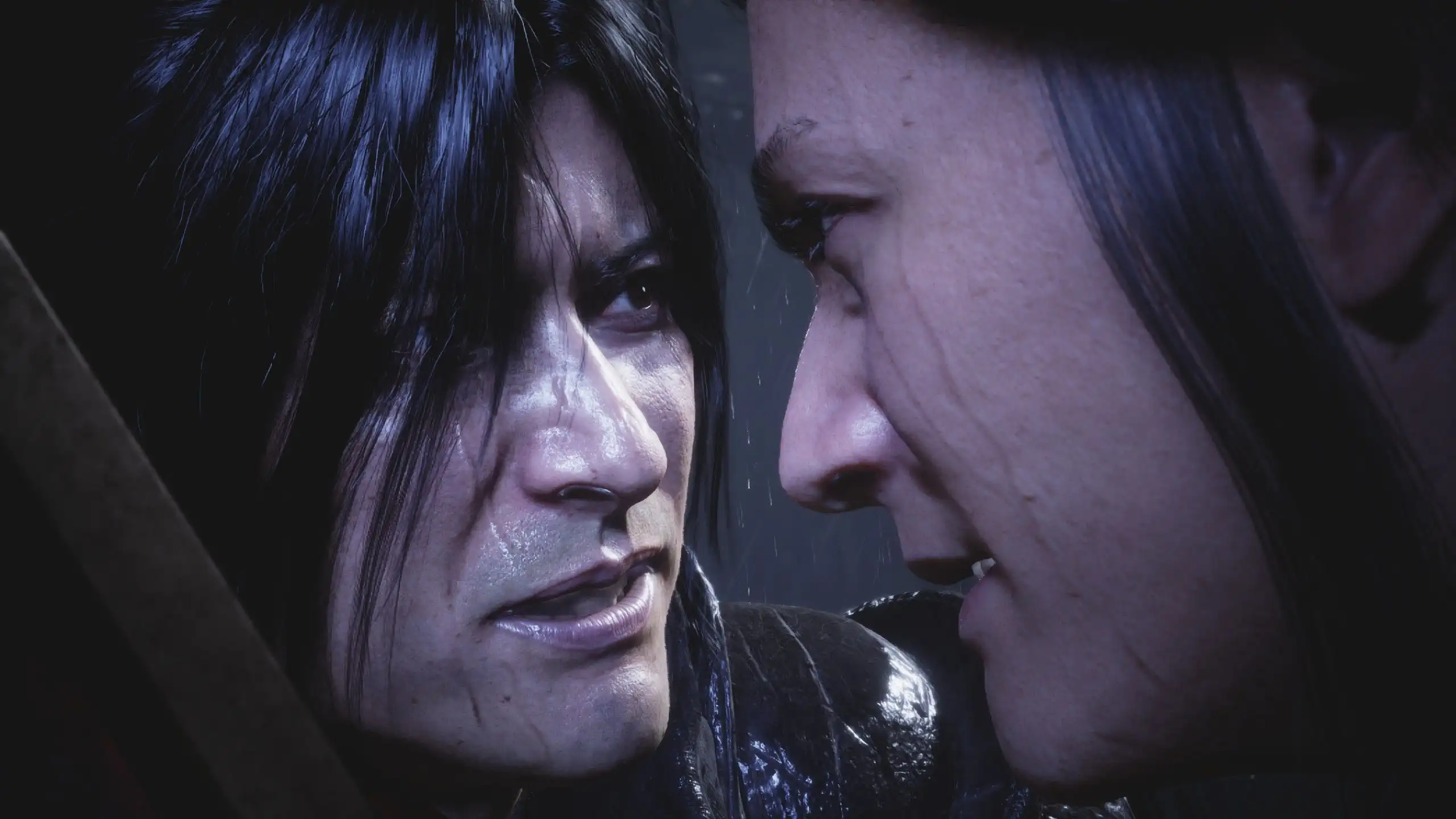
Zuo Shang engineered the confrontation between Soul and their adoptive father Mu Tianmiao to seize control of the Order and carry out his grand plan. The Eleven's bell caused Soul's Sha-Chi to surge out of control, and Soul struck down Mu while the latter held back. Branded a traitor without knowing the full truth, Soul became the Order's quarry. Zuo Shang believed that controlling the Blight was the key to saving the Phantom World.
Who are Soul and Zuo Shang, and how are they connected to the Lóng Clan and the Bastion of Mó?
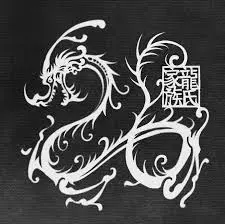 | 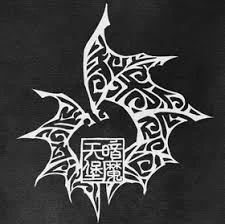 |
Both men trace their roots to the two great powers destroyed by Mu Tianmiao's Order. Soul is tied to Mó Yuan, lord of the Bastion of Mó, while Zuo Shang descends from the Lóng Clan. Mu raised the children of his former enemies as his adopted sons while keeping their origins hidden. This is central to the old games too, although Zero rewrites aspects of their ancestry and relationships.
Why are the Order, the Eleven, and the Mandate at war?
The Order enforces the martial-world rules established by Mu Tianmiao. The Eleven emerged from the bloody disaster at Soulrend Cliff, and the two factions have a long history of conflict. Meng Hua, once among the Eleven, later became the Lady of the Veil. Within the Mandate, Huangxing pursued power and secretly worked with Zuo Shang and the Herald. Their shifting alliances, each driven by different goals, plunged the Wulin into further chaos.
Who are the Herald, the Lady of the Veil, and the Blight?
The Herald is a title, not a personal name. In Zero, Leng Tu, formerly known as the ingenious Qi Qiao Langjun, serves as the Herald. His mistress is Meng Hua, a master of illusion and former member of the Eleven who merged with the Blight within the Discordance. The Blight is an otherworldly force that consumes and corrupts. Through soul-displacement techniques and puppet bodies, the Herald sought to bring the Lady into the Waking Realm and remake the Phantom World.
Is Phantom Blade Zero set on the same timeline as Rainblood?
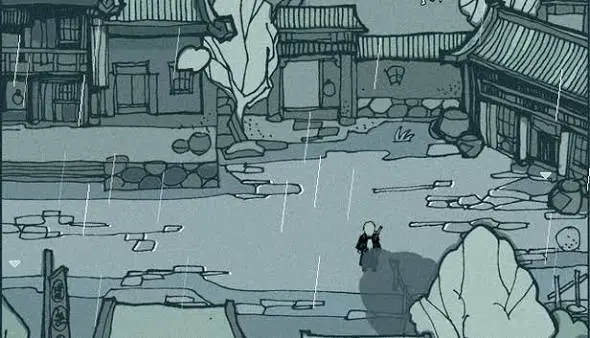
No. Phantom Blade Zero is not a straightforward sequel to Rainblood. It reimagines the original story, retaining figures such as Soul and Zuo Shang and factions such as the Order while changing how events unfolded and why characters acted as they did. The older timeline cannot simply be treated as Zero's canon.
Throughout this guide, we distinguish lore from the original Rainblood games, the mobile Phantom Blade series, and the reworked setting of Zero.
Phantom World History Timeline: From Rainblood to Phantom Blade Zero
Timeline Navigation: Jump to an Era
1. Ancient Era to the Order's Founding: The Discordance, Celestial Tome, and Two Clans 2. Years 1–12: The Order Rises and the Lóng and Mó Fall 3. Years 13–29: The Soulrend Tragedy and the Eleven 4. Years 30–33: Mirage and the Second Wulin Upheaval 5. Years 34–39: The Order at Its Height and the Maskwalker Crisis 6. Year 40 Onward: Soul, Zuo Shang, and the Order's End
The Phantom World has never known lasting peace.
It belongs to no identifiable dynasty or precise place in our world. Wuxia and punk coexist here, beneath a veil of darkness. Powers rise and vanish like fireworks; joy and grief, life and death, honor and disgrace can all disappear with a passing gust of wind.
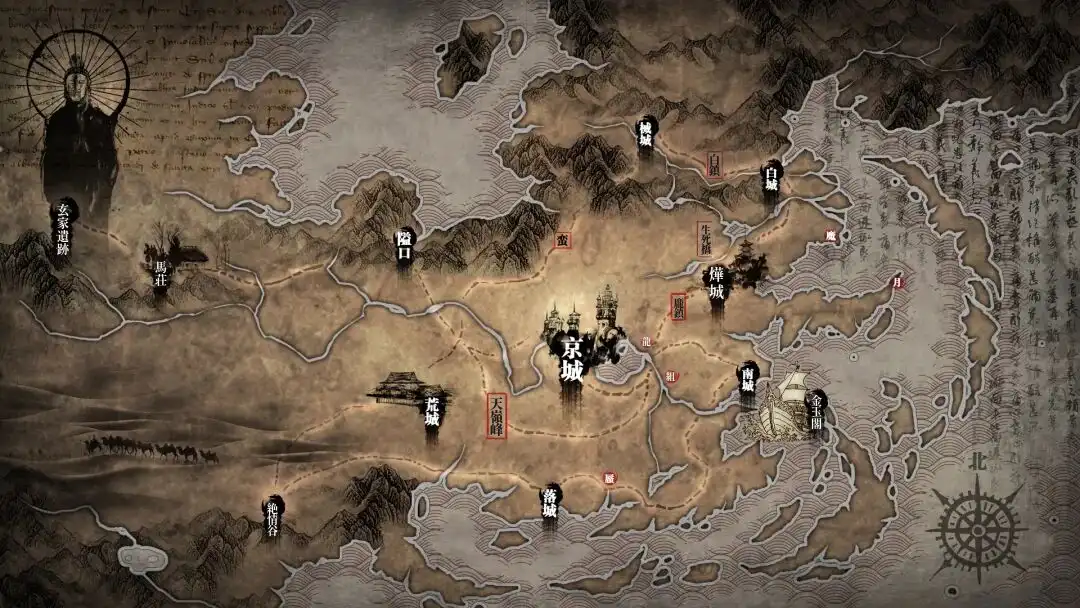
No one has explored the entire Phantom World. All that is known is that an endless sea lies to the east, frozen plains and an icy ocean to the north, deserts beyond the long western road, and unstable volcanoes and lifeless marshes to the south. How far does this world extend? No one knows.
The coastlands and Central Plains are fertile and prosperous, home to many renowned orthodox sects. The distant frontiers, by contrast, are barren and forgotten. Supplies commonplace elsewhere are worth their weight in gold, and the people who hold these lands often survive by the blade.
The history of the Wulin is an immense painted scroll. It records quiet lives in small towns as well as the tragic courage of heroes: endless feuds, fearless sacrifice, and unbreakable bonds. Yet the truth lies behind a curtain of fog. Some records were rewritten, some discoveries remain buried, and others have vanished into dust. This timeline follows their traces.
How to Read This Timeline: The older Rainblood and Phantom Blade chronologies form the backbone of this article, checked against Phantom Blade Zero wherever possible. Dates, family ties, and events from the earlier games are not automatically treated as established facts in Zero.
About the Sources: What the Creator Says About Reimagining Rainblood
Series creator Soulframe Liang described Phantom Blade Zero as a spiritual successor and a reconstruction of the older story. Where motives or events have changed, we preserve the earlier account and note the difference.
Ancient Era to the Order's Founding: The Discordance, Celestial Tome, and Two Clans
Ancient Era: The Birth of the Discordance
Behind the Waking Realm, where ordinary people lived, another realm quietly took shape: the Discordance. It was a parallel world governed by different rules, something between an underworld and an alternate dimension.
According to the older lore, the Taoist Chou ended his own life within the newborn Discordance, merging his consciousness with it. His sacrifice helped stabilize the realm and allowed it to keep expanding. The lingering obsessions of the dead and the memories of warriors accumulated there over countless years.
Lore Note: How Memory Flowers Connect to the Discordance
 | Memory Flowers act like anchors linking the Discordance to the Waking Realm. Touching one draws a person into a localized illusion where a moment from the past remains preserved. |
Long Before the Order: The Arrival of the Celestial Tome
In an age so remote that it may predate the imperial capital, a disc-shaped object fell through a rift in space-time into the Phantom World. It held knowledge far beyond that era: research into Sha-Chi, the boundary between the two realms, the Blight, and the Discordance's laws. It became known as the Celestial Tome.
The imperial court assembled hundreds of scholars, who spent a century studying it. Yet the knowledge people could understand and put to practical use amounted to just 66 volumes.
Lore Note: How Were the Celestial Tome's Commentaries Classified?
The scholars organized their findings into six divisions: historical records, geography, biographies, mechanisms, martial arts, and esoteric arts. The resulting commentaries filled more than 10,000 volumes, supposedly less than a hundred-millionth of the Tome's contents. Only 66 volumes were usable with the technology of the day.
500 Years Before the Order: The Black Escort Bureau and Luocheng
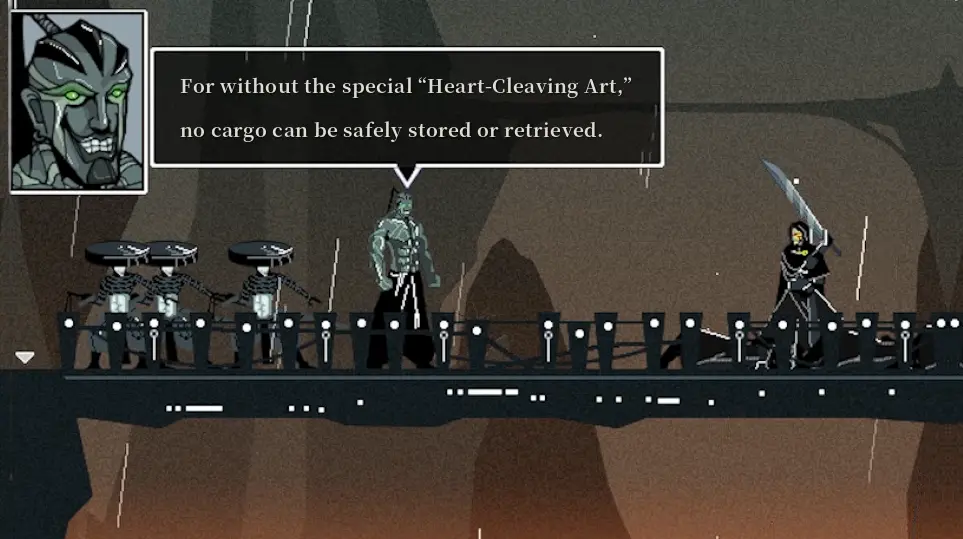
The oldest surviving records of the Wulin begin here. A neutral escort organization, the Black Escort Bureau (Hei Biaomen), was established. With its unique Heart-Reading Art, it moved freely among rival factions and became one of the Jianghu's most important intelligence networks.
The southern river-port city of Luocheng was founded around the same time. For over five centuries it prospered under an almost permanent fog. Its people elected their own city lord and refused conscription by either the imperial court or the Wulin's powerful sects.
400 Years Before the Order
The wandering hero Xiao Aotian slew Luo Yingxie near Luocheng and took his head.
300 Years Before the Order
A chief escort of the Black Escort Bureau was humiliated in Luocheng and vowed never to accept another job there. Firearms were attracting greater attention, bringing prosperity to the Thunderbolt Hall (Pili Tang).
200 Years Before the Order: The Great Central Plains War
The Central Plains descended into war. Fighters throughout the Wulin joined in pursuit of profit, threatening to drag the entire Phantom World into anarchy. The imperial court eventually deployed its armies and brought the fighting to an end.
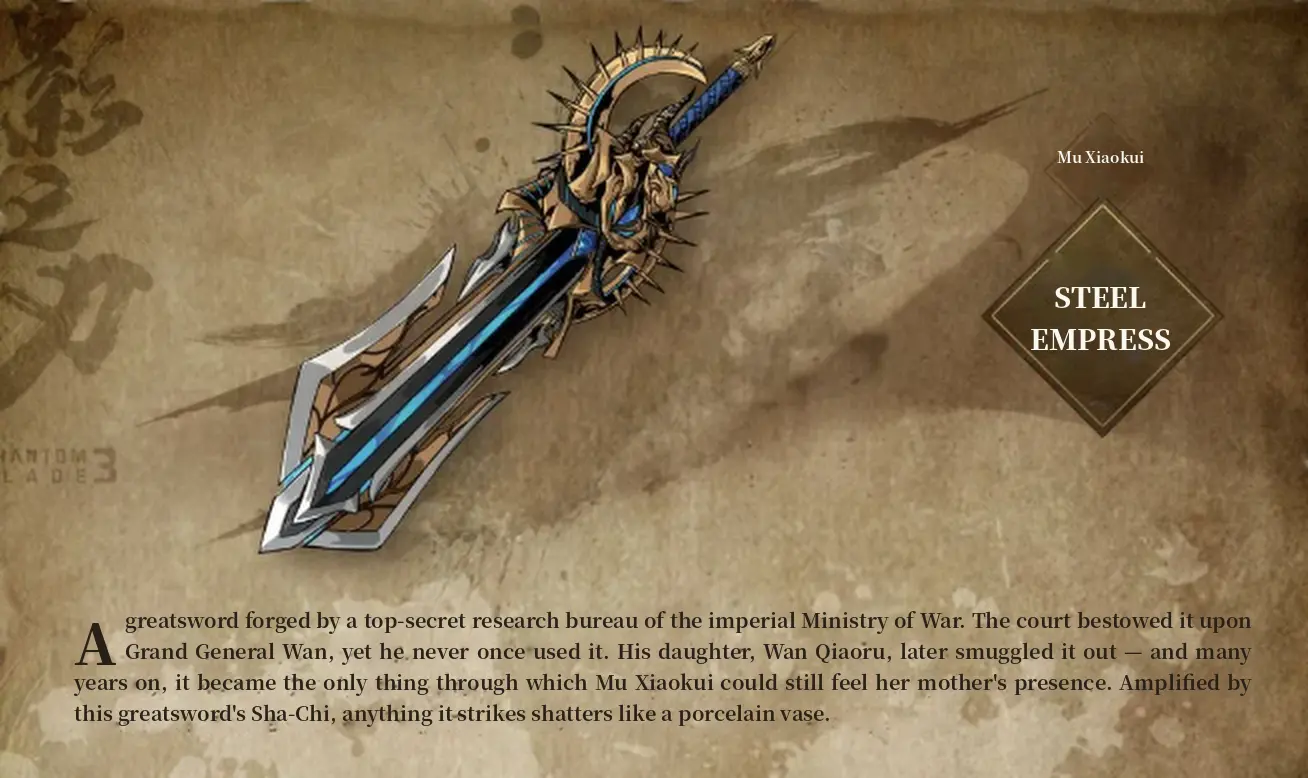
The general Wan Jundi won fame in this campaign. His family secured a powerful position at court, with successive generations commanding armies on the emperor's behalf.
150 Years Before the Order: The Origins of the Lóng Clan
 | The Lóng Clan first appeared in the historical record as humble street merchants. They gradually amassed wealth carrying silk, tea, weapons, and other goods along the Iron Horse Road. |
100 Years Before the Order: The Rise of the Lóng and Mó Houses
Ancient mechanical arts came back into fashion and were celebrated by performers and artisans across the Jianghu.
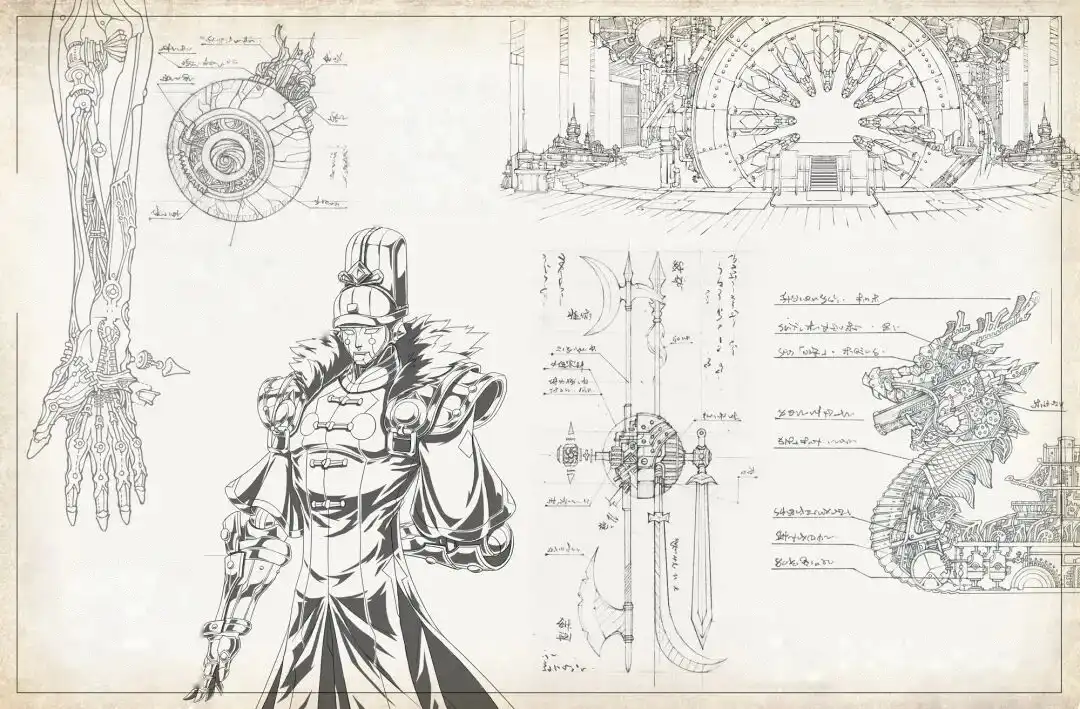
Fanjiang Jiao, an illegitimate son cast out by the Lóng family, trained under a reclusive master and learned to wield golden sword energy. Backed by powerful court patrons, he returned, purged his relatives, and proclaimed himself clan leader. The Lóng became the court's proxy in the Wulin, but the bloody succession also began a cycle of family wars every few decades.
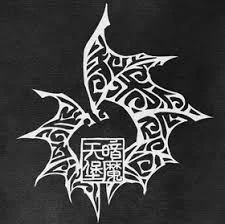 | Around this time, the ancestors of the Mó family migrated east from a frontier settlement. They built a massive stone fortress in treacherous mountains and established a strictly hierarchical feudal domain. Older chronicles refer to this stronghold by its Chinese name, 暗魔天堡. The corresponding location is called the Bastion of Mó in the English version of Phantom Blade Zero. |
90 Years Before the Order: Xuan Mo and the Celestial Tome
To unlock more of the Tome's secrets and turn them into instruments of imperial rule, the court assembled another elite group of scholars. Their leader was Xuan Mo.
Believing no emperor should monopolize this knowledge, Xuan Mo fled the palace with 66 volumes of commentaries. The emperor sent the Lóng Clan after him, but Xuan Mo escaped into the northwestern desert, living under false identities.
Fearing another theft, the court used technology derived from the Tome to lift the entire imperial capital into the sky. Thus began a bizarre age in which the ruler was, quite literally, beyond the reach of the world below.
In the desert, Xuan Mo constructed irrigation works and fortifications using the Tome's mechanisms. Agricultural and medical knowledge helped him win over scattered tribes. He eventually conquered several of them, brought them under the surname Xuan, and created a hidden power base.
He built an elaborate sealed chamber deep beneath the dunes, storing 65 of the 66 volumes there and keeping Volume Seven with him. The chamber could not be forced open: it required an amount of Sha-Chi dozens of times greater than that of the finest masters, channeled through a specially shaped weapon, Infernal Rouge (Hei Moshang).
Xuan Mo died without fully deciphering the Tome, leaving the task to his descendants. The seventh volume he retained would eventually send the Jianghu toward catastrophe.
Lore Note: Volume Seven and Technologies Beyond Their Age
In the older continuity, Volume Seven contained knowledge later reproduced as Transcension, research into the two realms and the Blight, and even technologies resembling atomic bombs, electromagnetic weapons, and artificial satellites. None of these developments should be assumed to have occurred in exactly the same way in Zero.
70 Years Before the Order: The Xuan Family's Obsession
Xuan Mo died, and his adopted son Xuan Li succeeded him. The family spent decades quietly gathering strength, determined to create enough Sha-Chi to open the vault, recover the Tome, and build a new world.
Continuity Note: Are the Two Characters Named Xuan Li the Same Person?
Continuity Note:A person named Xuan Li also appears in Phantom Blade Zero. The relationship between him and this older Xuan Li has not been established. The dates alone are not enough to identify them as the same individual.
42 Years Before the Order: Forging Infernal Rouge
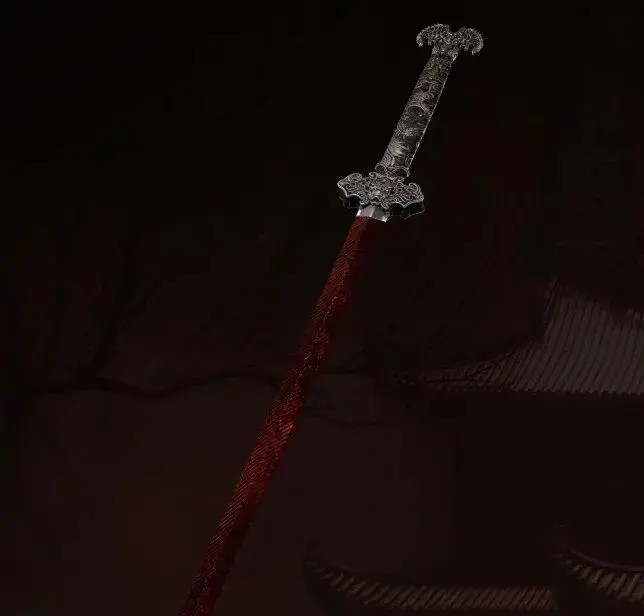 | Mo Shaocheng became lord of Bastion of Mó. On the advice of his adviser Xuan Li, he forged the blade Infernal Rouge from his own blood. It was intended as the key to the Xuan family's hidden vault, but the completed weapon shattered under the enormous force within it. |
40 Years Before the Order: The Lóng Clan's Golden Age
The Lóng Clan sealed its alliance with the imperial court through marriage. Under its thirteenth leader, the matriarch Lóng Huangu, it reached the height of its power and controlled much of the Phantom World's economy.
Four Lóng masters tried to surround and kill Mo Shaocheng, but he escaped. Later, the clan's thirty-fifth leader, Lóng Tairan, gathered eighteen major orthodox sects into an alliance that would become the Mandate.
10 Years Before the Order: Mó Yuan Inherits the Fortress
Mo Shaocheng and Xuan Li ventured into the great desert and vanished. Fourteen-year-old Mó Yuan inherited the fortress, while Xuan Li's son Xuan Ji remained there as his adviser and covert agent.
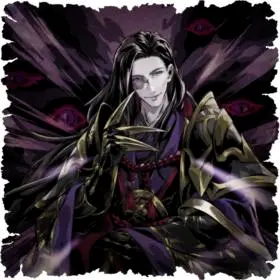 | Mo Shaocheng and Xuan Li ventured into the great desert and vanished. Fourteen-year-old Mó Yuan inherited the fortress, while Xuan Li's son Xuan Ji remained there as his adviser and covert agent. |
Years 1–12: The Order Rises and the Lóng and Mó Fall
Year 1: Founding the Order
The Order was founded by three people: Mu Tianmiao, Wan Qiaoru, and the figure then known as the Third Member, later called the Seventh.
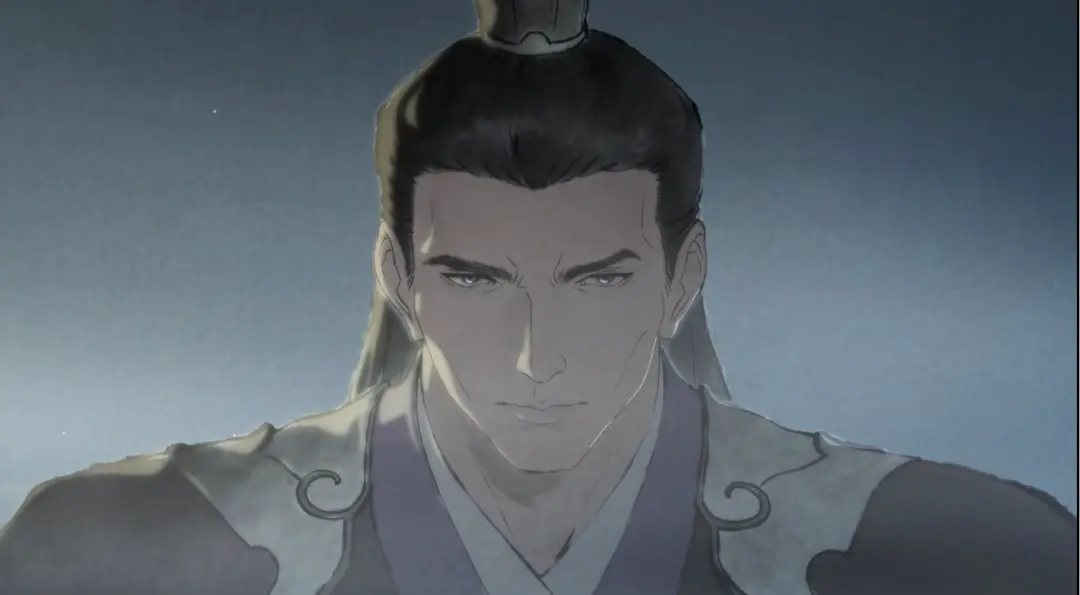
Three months later, the chief steward Quan Zhong joined and pledged his lifelong service to Mu Tianmiao.
Year 3: The First Campaign
In its first major operation, the Order destroyed the Sixty-Three Cities Bandit League.
Year 4: Infiltrating the Lóng and Mó Houses
The Order resolved to eliminate both houses. It sent Lai Xiaosheng to infiltrate Bastion of Mó while secretly aggravating rivalries within the Lóng Clan.
Year 5: A Sword at Ink Peak
In March, the Lóng family's second son received a Mó Kill Order. Despite extraordinary precautions, he was found murdered in his room ten days later, his body drained of blood. Lóng Mingyu, the clan's foremost swordsman, challenged Mó Yuan to a duel. Some older records spell Mingyu's name with a different Chinese character.
Hoping to preserve the balance of the Wulin, Mu Tianmiao slew the celebrated swordsman Iron Gentleman atop Ink Peak to demonstrate his power, then intervened between Mó Yuan and Lóng Mingyu. Neither dared press the confrontation. The meeting bought Mu precious time to strengthen the Order.
Year 7: Shadow Wardens and a New Hierarchy
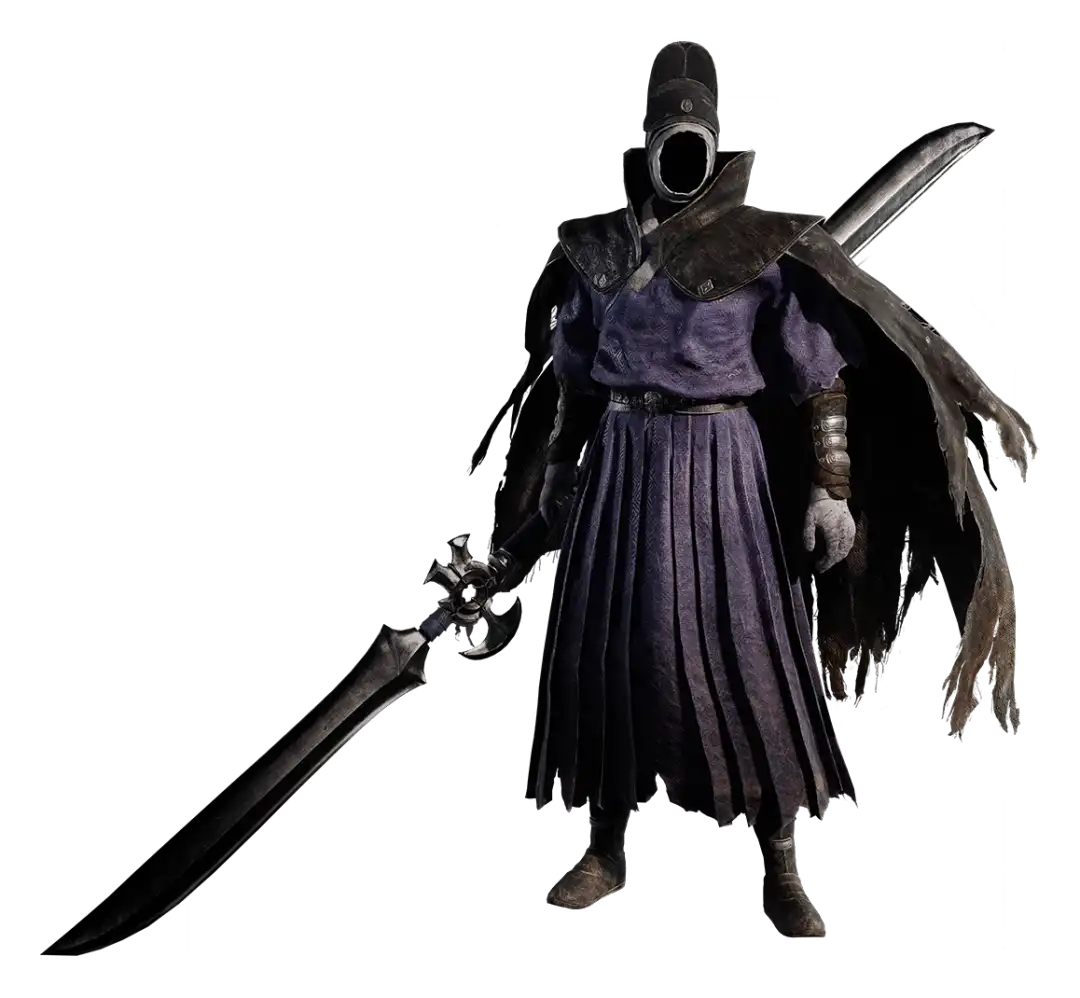 | The Order made breakthroughs in the secret techniques behind its first Shadow Wardens and the bindings used to control them. |
A three-tier hierarchy took shape: Shadow Edicts, Envoys, and Shadow Wardens. The three founders were the first Shadow Edicts, while Mu Tianmiao took the title Shadow Sovereign and led the organization. Early records list 28 Envoys and roughly 100 Shadow Wardens.
Years 8–10: Rapid Expansion
In just three years the Order destroyed more than a hundred sects, added another Shadow Edict and dozens of Envoys, and converted hundreds into Shadow Wardens. It now had four Shadow Edicts. Iron Fiend and Jade Dancer also entered Mu Tianmiao's service.
By Year 10, Lai Xiaosheng had earned Mó Yuan's trust and was handling Bastion of Mó's external operations. As the Order's agent, he struck a bargain with Xuan Ji: Xuan Ji would help bring down the fortress in exchange for eleven fragments of Infernal Rouge.
Around the same time, Lóng Tairan died under mysterious circumstances. The family split into two hostile factions: one led by the second son, Lóng Yijue, and the other by the fifth son, who would become Zuo Shang's father.
Year 12: The Fall of Bastion of Mó
Soul and Zuo Shang were born.
That year, the Order attacked Bastion of Mó. With Lai Xiaosheng and Xuan Ji opening the way from within, its fighters breached the defenses. Most of the household, including women and children, was slaughtered. Only a few people away from the fortress, such as Shangguan Zhan, and the sons Mó Jian and Mó Hun escaped. Mu Tianmiao captured and imprisoned Mó Yuan.
The victory came at a terrible price: the Order lost two Shadow Edicts and more than 70 percent of its Envoys and Shadow Wardens.
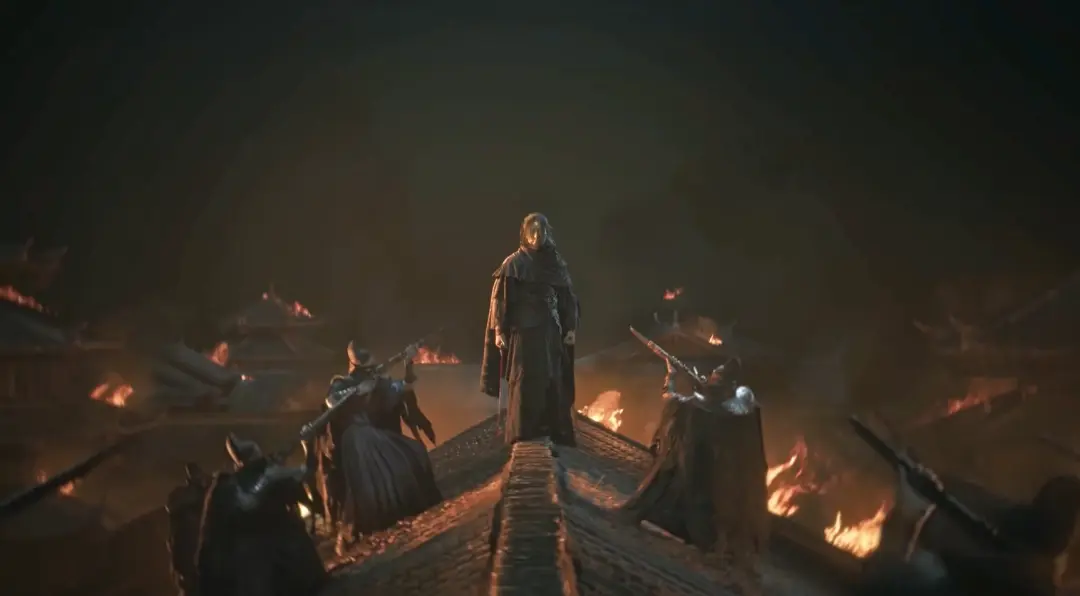
After the battle, Mu took Mó Yuan's newborn younger son, named him Soul, and placed him with an ordinary family in the southern city.
That Same Year: The Fall of the Lóng Clan
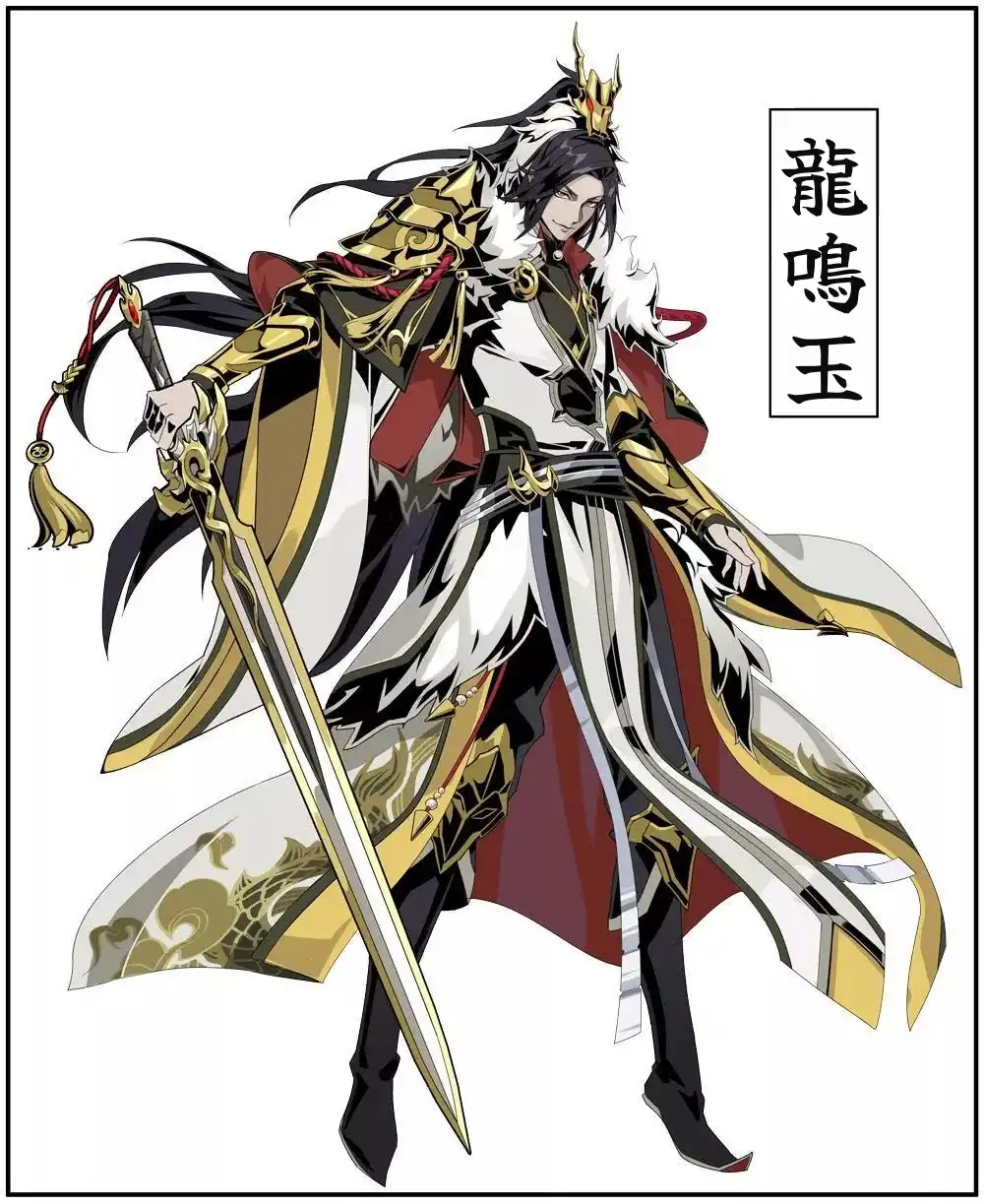 | Less than a month after Bastion of Mó fell, Mu allied with the Lóng second-son faction against the fifth-son faction. He lured its champion Lóng Mingyu to the fortress ruins and laid an ambush. The two branches destroyed each other, and Lóng Mingyu fell into the sea, his fate unknown. |
Less than a month after Bastion of Mó fell, Mu allied with the Lóng second-son faction against the fifth-son faction. He lured its champion Lóng Mingyu to the fortress ruins and laid an ambush. The two branches destroyed each other, and Lóng Mingyu fell into the sea, his fate unknown.
Apart from a handful of distant relatives, the Lóng Clan was wiped out. Imperial Iron Eagle guards sealed its estate and barred all other factions from entering.
Mu named the fifth son's newborn child Zuo Shang and likewise placed him with a family in the southern city.
Because the Lóng Clan had dominated the economy, its destruction nearly collapsed the Phantom World's markets. The Order spent more effort restoring economic order than it had spent defeating both houses, but prosperity never returned to its former peak. The Order was also left short of experienced personnel.
Continuity Note: Soul and Zuo Shang's Origins in the Older Games and Zero
Continuity Note:This account of the children's birth and the downfall of the two houses comes from the older continuity. Their bloodlines are also significant mysteries in Phantom Blade Zero, but the specifics should not be assumed identical.
Years 13–29: The Soulrend Tragedy and the Eleven
Year 13: A Decade in the Shadows
For roughly ten years, the Order disappeared from the public eye and rebuilt its forces. It took smaller jobs, absorbed the spoils of the two fallen houses, and worked to erase evidence of the Lóng and Mó families' former influence.
Year 22: Two Adopted Sons and Mu Xiaokui's Birth
Soul and Zuo Shang joined forces to kill the Clearwater Swordsman. Mu Tianmiao adopted them and began training them within the Order. His daughter Mu Xiaokui was also born that year, but her mother Wan Qiaoru died in childbirth.
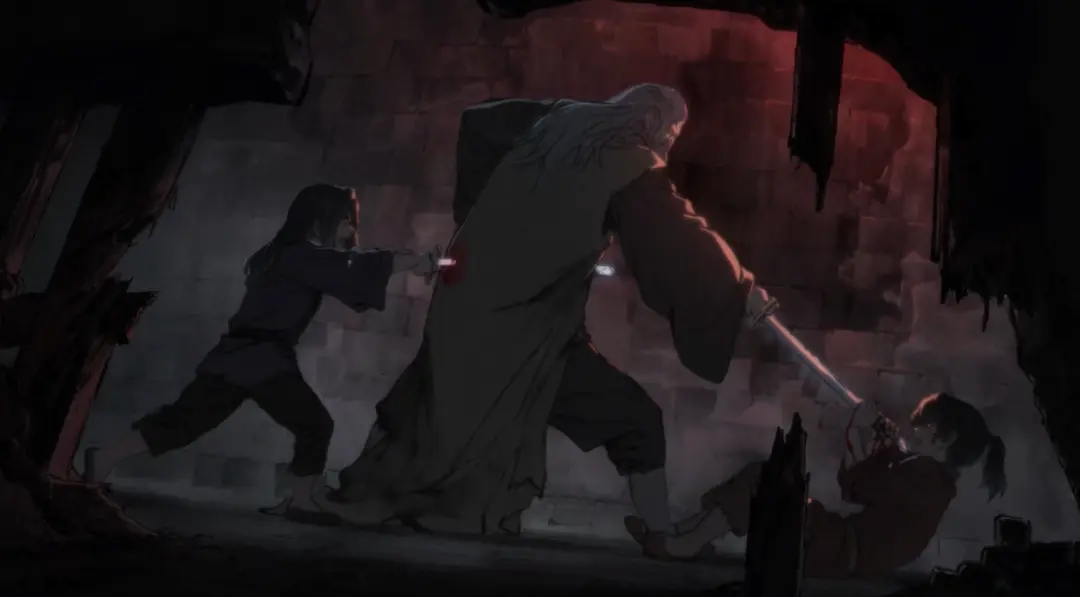
Year 23: New Shadow Edicts
“Dark Monk” Channa and Inanis joined the Shadow Edicts. The older chronology records four Shadow Edicts at this point.
Year 24: The Soulrend Cliff Massacre and the Eleven
Xuan Ji and the Golden Swordsman invited thousands of Wulin leaders and masters to view fragments of the Celestial Tome at Soulrend Cliff. Instead, a Sha-Chi generator flooded them with energy beyond their control, amplifying their aggression until they slaughtered one another. Almost everyone died, including Xuan Ji, who was betrayed and struck down by the Golden Swordsman.
Later remembered as the First Great Wulin Upheaval, the massacre led, in the older chronology, to the formation of the Eleven: nine survivors, the Golden Swordsman, and Xuan Ji's son Xuan Yu. They would eventually create the enormous flying vessel known as Mirage.
Continuity Note: When Was the Eleven Founded, and Who Survived?
Continuity Note:Zero also depicts the Soulrend Cliff massacre and the bell linked to the Eleven, but the account of its founding and the number of survivors differ from some older records. The version described above comes from the earlier timeline.
Mu Tianmiao traveled to Tianling Maple Ridge to investigate. In the same year, the Envoy Lao Gui led Shadow Wardens into the notorious Mo Tian Ghost Fortress and rescued Princess Linglan, daughter of the reigning emperor. The feat marked the Order's public return after a decade in hiding and won it official imperial support.
Year 25: Soul and Zuo Shang's First Mission
On their first mission, Soul and Zuo Shang jointly killed the master of the Bright Sword of the Sword Pavilion. Pushed to the brink of defeat, Soul awakened his Instant Kill technique for the first time.
A disaster struck the southern city of Luocheng. The Order established the Purple Serpent House there to investigate. Rumors spread of faceless ghosts and red-and-white female spirits haunting nearby Tomb Mountain.
Year 28: Wooden Constructs and the Baishan Tragedy
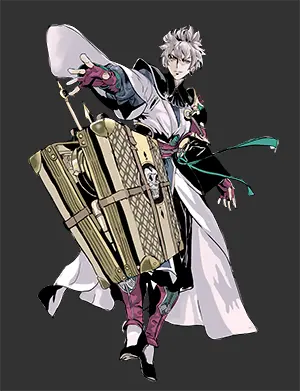 | The Servant joined the Order as a Shadow Edict, bringing its senior ranks to five, including the Shadow Sovereign. |
A collapsed mountainside near Mount Zhongnan exposed mechanical wooden armor and dozens of corpses, leading to rumors of Mirage's involvement. Elsewhere, the lord of Longxiang Fortress, nicknamed Dragon Among Men, was discovered to have been converted into a Grade-B Shadow Warden.
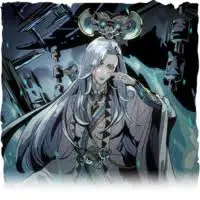 | At the Baishan Sect, three senior nuns and Ye Shujun forcibly killed the unborn child of Dugu Linghe. Clutching the dead infant, she screamed and threw herself from the rear mountain. She vanished afterward, and the Baishan Sect shut its gates for ten years. |
Years 30–33: Mirage and the Second Wulin Upheaval
Early Year 30: The Battle of Moon Fort
The Order captured two of the Three Fiends of Moon Fort, Bao Mo and Ren Gui, and transformed them into Yu, its first Grade-A Shadow Warden.
Ye Xiao of the Black Escort Bureau vanished together with a cargo known as the Ring of Darkness.
During the Spring Festival, an explosion destroyed one of the Order's southern branches, killing every member, including an Envoy. More Envoys were murdered in February.
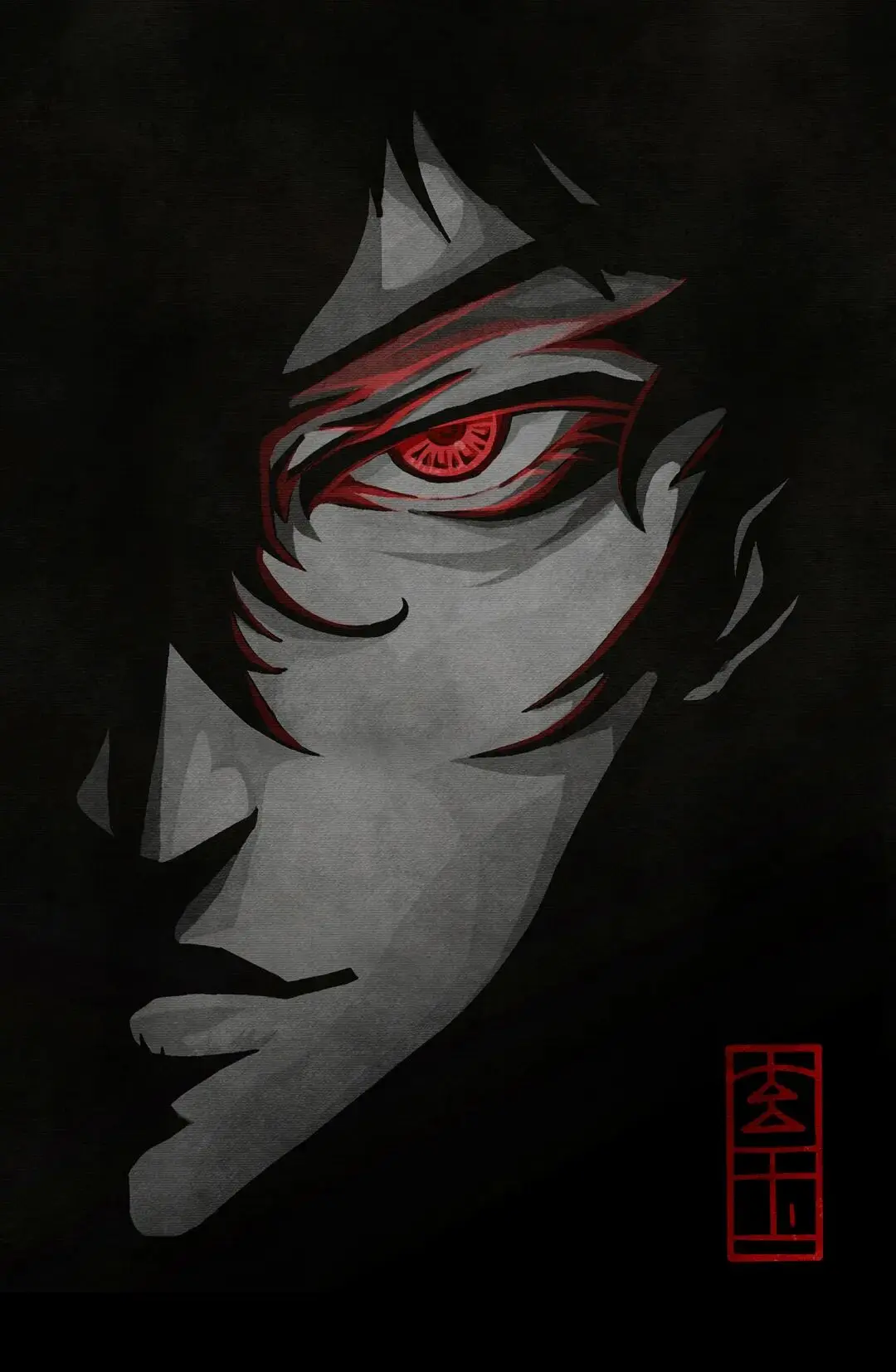 | Year 30, March: Xuan Yu Disappears Officially:Xuan Yu vanished while investigating the murders of several Order Envoys. In reality:By that time, Xuan Yu had secretly joined Mirage. |
In late May, Soul slew the White Jade Sword of the Southern Heaven Sword Sect. Some members of the Eleven met Mirage's leaders and began plotting against Xuan Yu and the Order.
In June, Soul and Zuo Shang infiltrated the mysterious organization Mirage.
From July 7 to 10, the two survived traps in Fallen Leaf Village, investigated strange horrors on Tomb Mountain, and uncovered the secrets of the Cocooned Ones in Black Forest. A mysterious arrow that killed King Wanxie led them onward to Luocheng.
Detailed Log: July 7–10, Movements and Battles
July 7: Fallen Leaf Village
In the late afternoon, Soul and Zuo Shang entered Fallen Leaf Village one after another, encountered several masked assassins, and returned to the Purple Serpent House around midnight.
July 8: Mirage's Trap
The two returned to Fallen Leaf Village but were spotted by Mirage's killers and fell into a prepared ambush. They escaped and defeated the Mad Swordsman.
That night they met the Gentleman of the Mask. He laughed that Xuan Yu was already dead and challenged them. Defeated, he claimed no one had unraveled Mirage's secrets before dying, while the other assassins fled.
July 9: The Haunting of Tomb Mountain
At dawn, screams rang out from Tomb Mountain. Soul and Zuo Shang discovered masked killers driven mad by the mysterious Musicians of Mirage. In a nearby cave, they also uncovered a butcher's horrifying practice of eating human flesh.
They encountered the scarred Bai Fei, who escaped. Later, by a statue, they fought and accidentally killed the Red-and-White Lady, who had trained there for many years.
July 10: The Cocooned Ones of Black Forest
In Black Forest, the two uncovered the secrets of the Cocooned Ones and defeated their ruler, King Wanxie. As he tried to detonate explosives on his body, an unseen archer killed him with a single arrow. That night the Shadow Sovereign ordered his agents to collect Black Antelope Fireflies from the forest.
July 11: Luocheng, the City of Mist
Following a message attached to the arrow, Soul and Zuo Shang entered once-prosperous Luocheng, hoping to meet Mirage's master. The city had become a labyrinth of mechanical traps.
At noon they met a figure called the Thinker. That afternoon, Yin Ling attacked them aboard the enormous dragon boat Silver Dragon, but retreated after defeat.
July 12: The Chen Estate and Underground Canals
At the abandoned Chen residence, they found a message scrawled in blood: "Huitou has avenged Mirage." They then descended into a maze of canals choked with bone cocoons and saturated with Sha-Chi.
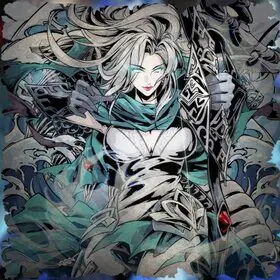 | They defeated the Water Wraith, but he escaped only to be killed by Yin Ling. |
July 13: The Machines of Guzebao
They encountered the Black Iron Mask in Guzebao in the morning and a Black Escort Bureau guard at midday. Mechanical puppets then made the fighting more dangerous, and they destroyed the construct named Slash in the afternoon.
 | At dusk, a girl named Ci'er arrived piloting the machine called Annihilate. She was beaten and escaped. |
July 14: Mirage's Buddhist Tower
At the tower, they fought a female assassin named Butterfly. Unable to flee after her defeat, she killed herself rather than betray "Lord Xuan."
Later that night, the two confronted Dao Sha atop the tower. Having guarded Mirage's secrets for years, he lost to Soul and revealed the Tianling Massacre with his dying breath.
July 15, Ghost Festival: Mirage Revealed
Mirage finally revealed its true form: an immense airship. Soul entered the lower engine chamber and saw the extraordinary precision of its machinery.
Reunited with Zuo Shang, Soul fought Yin Ling for hundreds of exchanges. At the end, Yin Ling stopped resisting and allowed Soul to kill him. Before dying, he revealed that he belonged to the Order and disclosed everything he knew about Mirage.
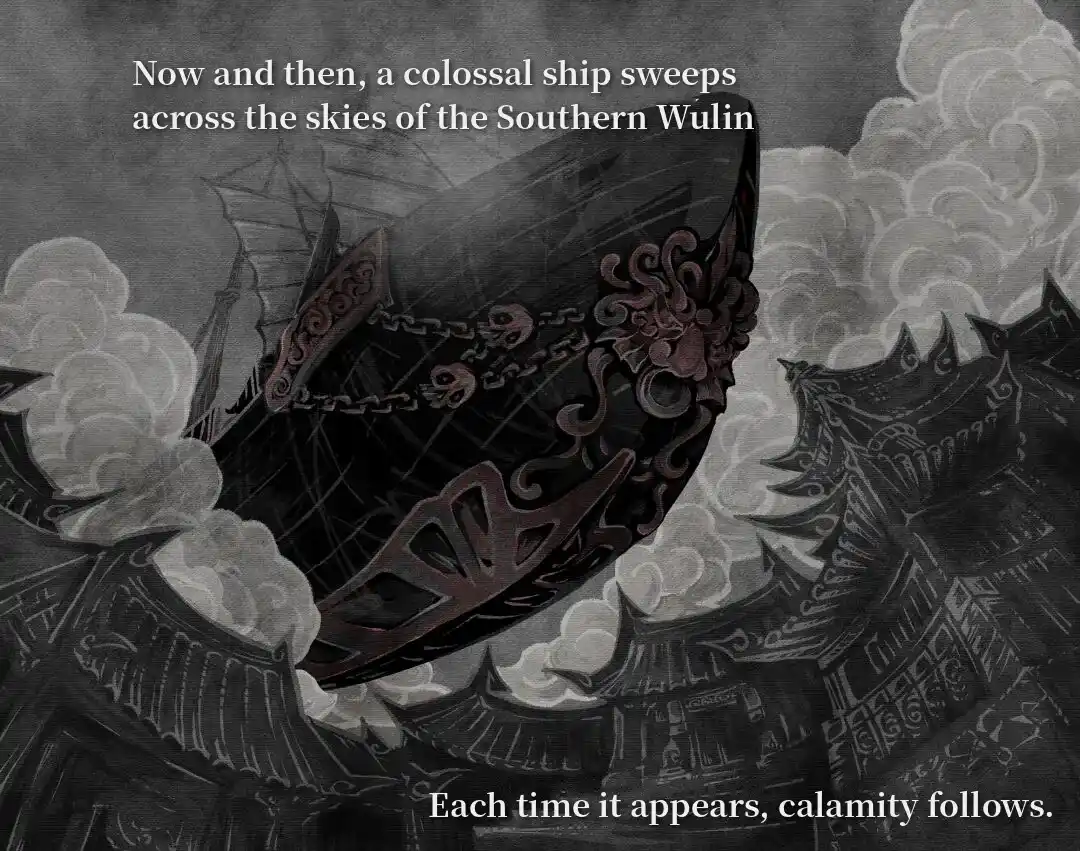
That afternoon the two captured the control room and defeated Mirage's apparent master, only to discover it was a mechanical puppet. A recording hidden inside named Xuan Yu as the true mastermind.
By nightfall, the airship was collapsing, and the Eleven convened a secret meeting to decide what came next.
The victory secured Soul and Zuo Shang's standing in the Order. They became its youngest Shadow Edicts, taking the titles Black Scar and Purple Shadow. Including the Shadow Sovereign, the Order now counted seven Shadow Edicts.
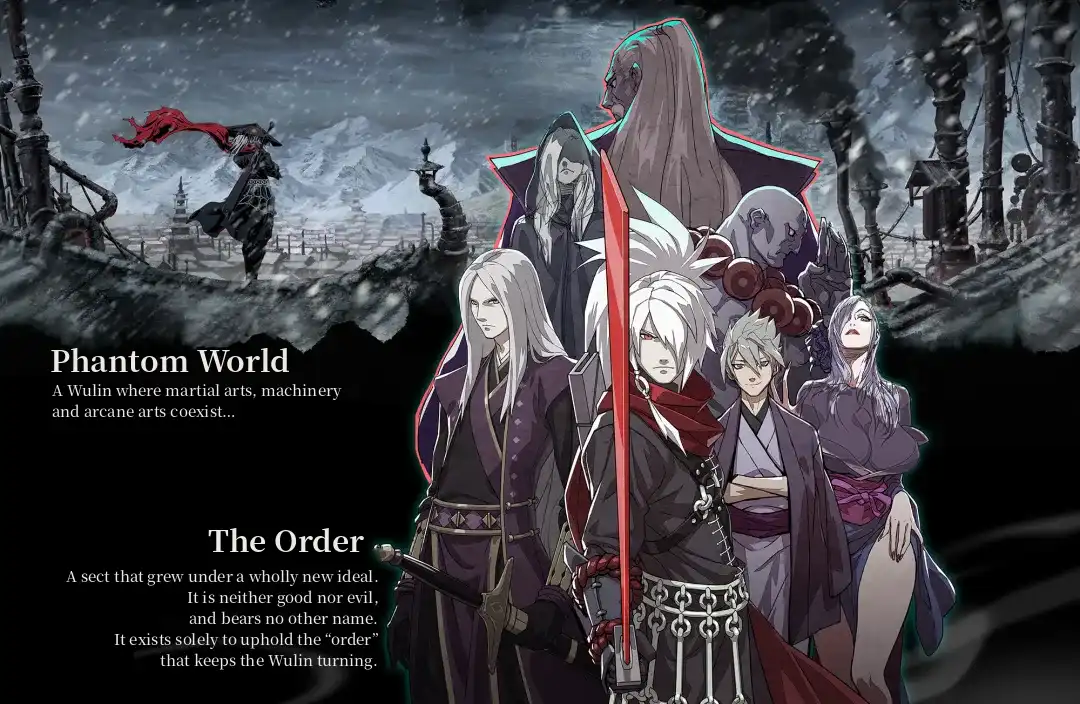
In August, the scarred Bai Fei, who had escaped earlier, was beheaded at an Order outpost, and his silver coins were confiscated.
Years 30–33: The Second Great Wulin Upheaval
After Mirage's collapse, the Eleven scattered and instigated Maskwalker uprisings across the Phantom World. The turmoil later became known as the Second Great Wulin Upheaval.
In Year 31, the Shadow Edict Inanis and Meng Hua of the Eleven were said to have killed one another in the Waking Realm.
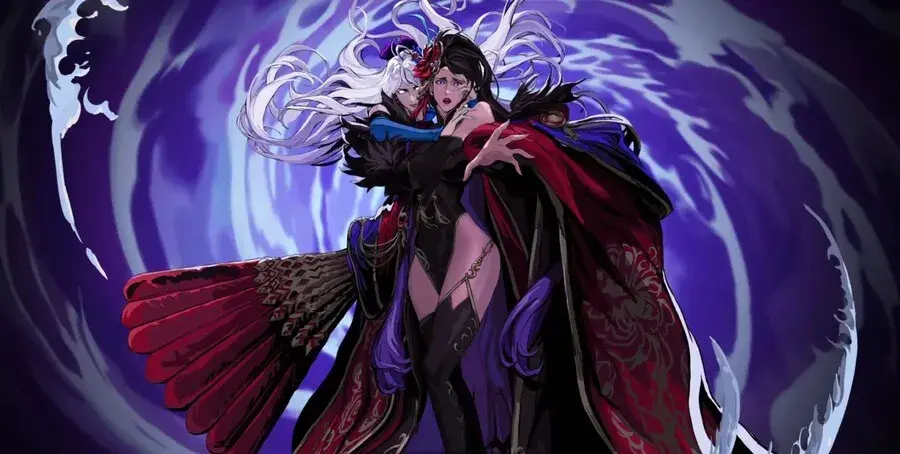
The Order spent three years wiping out Mirage's remaining cells, but lost so many mid-ranking officers that its work increasingly depended on individual Shadow Edicts.
Meanwhile, Zuo Shang pursued Xuan Yu into the desert, killed him, and exterminated most of the Xuan family. He spared only Xuan Yu's younger brother, Xuan Li.
There he also encountered Lóng Mingyu, the former champion of the Lóng Clan, known as the Man in the Rain, and learned of his own birth. Later, Quan Zhong confirmed that Zuo Shang was a son of the Lóng family.
Year 33: The Mazhuang Incident
The Mazhuang Incident left 75 renowned Wulin fighters dead or wounded, including more than 30 members of the Seven Great Sword Sects. The Order sent two Shadow Edicts. Unknown figures began secretly planning to strike back against it.
Years 34–39: The Order at Its Height and the Maskwalker Crisis
Years 34–37: The Order Rebuilds
The Order rebuilt its power, crushing or absorbing most outlaw sects. It put pressure on the Seven Great Sword Sects and grew strong enough to rival the six traditional major sects of the Central Plains.
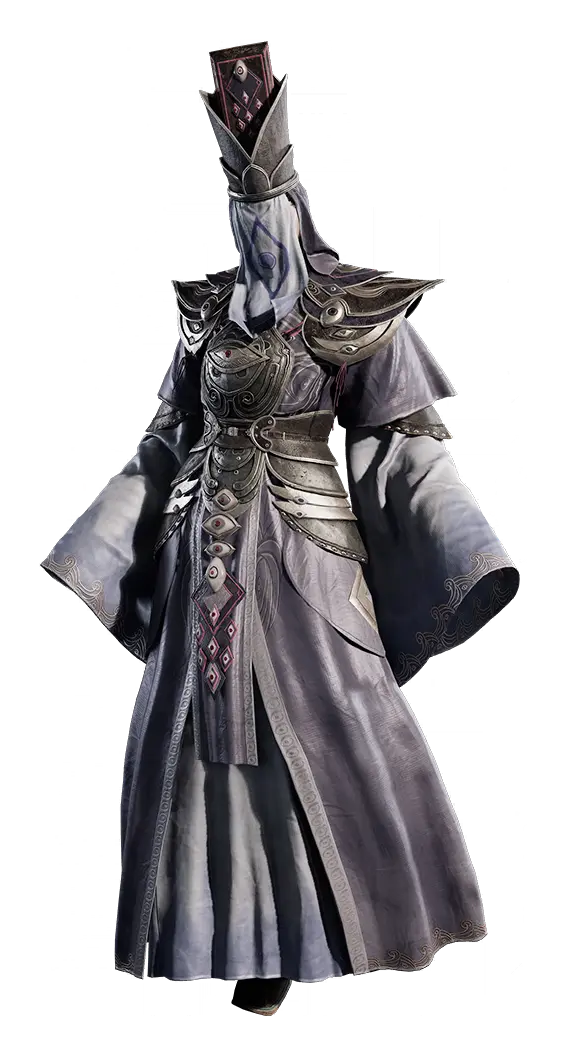 | Around this time, a figure known as the Herald came from the lands beyond the frontier. In the Village of Lu, worship of Meng Hua, the Merciful Lady of the Blossom Veil, began to spread. |
Older records spell Leng Tu's name with a different final character than some Japanese texts of Zero. These spellings should be treated as edition-specific rather than silently merged.
Year 38: The Order Reaches Its Peak
The Order had destroyed a total of 237 opposing sects and reached the height of its influence.
Soul and Zuo Shang defeated the Tian Shan brothers Xuan Ying and Xuan Yue in only five exchanges, but accidentally killed Xuan Ying's wife during the fight.
A faction claiming to speak for the Five-Finger Commanders appeared, sparking another Maskwalker uprising. By then, no one could clearly identify the true enemy.
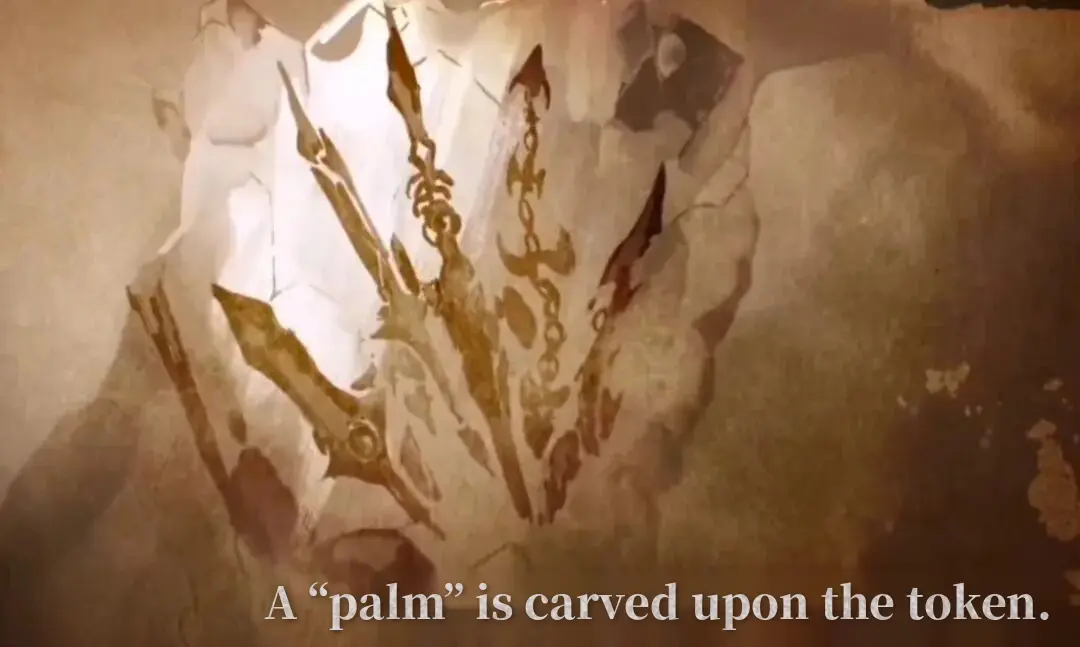
Dugu Linghe returned to the Baishan Sect and carried out a bloody purge, only to be defeated by Soul. In the crisis, the second-generation disciple Bi Taotao was appointed the sect's new leader.
Year 39: A Secret Pact in Crimson Forest
The Three Pillars of Kunlun (Yuyin, Huangxing, and Moji) were sent to suppress Maskwalker unrest in Crimson Forest. They and the Mandate Encampment's disciples fought alone while the Mandate refused to send reinforcements.
Huangxing approached the Order to propose a joint operation. Before the mission, however, Zuo Shang met Huangxing in secret. Huangxing confessed his ambition to control the Mandate Encampment, and the two struck a bargain.
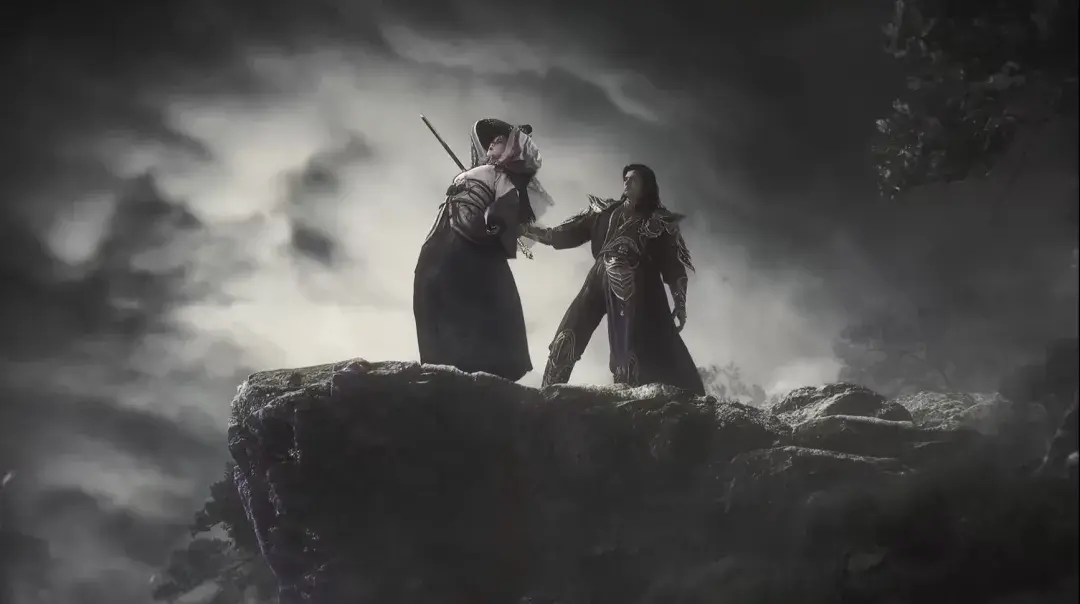 | As a result, Zuo Shang killed Yuyin, and Huangxing captured a member of the Stringmasters for him. |
Year 40 Onward: Soul, Zuo Shang, and the Order's End
Continuity Note:The day-by-day account of Year 40 below comes primarily from the older games. Phantom Blade Zero also follows Soul's 66 remaining days, but the two versions do not necessarily share the same events or character fates.
Early February, Year 40: Mu Tianmiao Dies
The Shadow Sovereign Mu Tianmiao was killed. Zuo Shang, once known as Purple Shadow, succeeded him, while Soul fled the Order.
May 18: The Duel Between Soul and Zuo Shang
Soul and Zuo Shang fought, leaving both men critically injured.
June 2: Sixty-Six Days Left
The Flesh Sculptor used the Tainted Heart technique to keep Soul alive, but warned him that he had only 66 days left to live.
June 3: Weeping Creek Valley
Soul entered Weeping Creek Valley and slew the masked Peng Meng and a bride named A Hua. The corresponding area in Zero is known in English as Weeping Creek Valley.
June 4: Crimson Forest
Soul first met the Spectral Blade, killed the Hunt, the Order’s relentless pursuer, and entered Crimson Forest, where he met Inanis. The location appears as Crimson Forest in the English version of Zero.
June 5: Village of Lu
Zuo Shang arrived in Pangzhen. Soul defeated masked fighters Hua Qianxiao, Jing Ye, Tie Kuang, and Bai Chilian, then reunited with Yu'er at a bandit camp. He went on to the Village of Lu and killed the gatekeeper Zhuo Bi.
June 6: Three Masters of the Mandate
Soul brought an end to three Mandate sect leaders, defeated Acolyte Yanru and Dusk, the Puppeteer, and encountered Mu Xiaokui.
June 7: Tragedy in Pangzhen
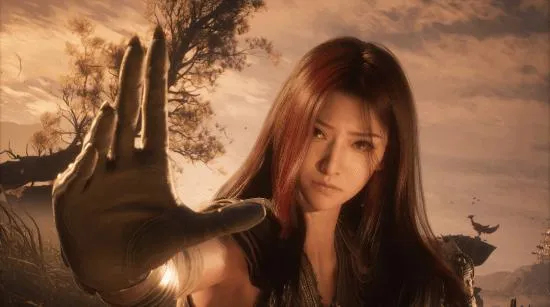
Soul entered Pangzhen. A Shadow Warden killed the young Yu'er, and Soul avenged her by slaying Blaze, a Shadow Warden captain. But her body fell into Leng Tu's hands. Soul defeated another Shadow Warden, Cavalrybane, and entered the Phantom Tavern. Zuo Shang left Pangzhen that day.
From June 8 to 11, Soul fought through Pangzhen, the Mandate Encampment, Meigu Lake, and the Mountain of Imprisonment. He defeated countless enemies, saved Yu'er's father, and crossed paths with the Spectral Blade again before approaching the Mirage Estate, where his true origins awaited.
Detailed Log: Battles and Movements, June 8–11
June 8: Fighting Across Pangzhen
Soul killed the Shadow Warden Soulclaimer, the Fallen General Wu Xuan, Xie Qiudong, Lei Ting, and Gu Wanyue. He drove off Envoy Chang Hong and the Waterway Guild chief You Loong. He also saved Yu'er's father with the Flesh Lily and granted the lion-dance master Lie Yan a peaceful end.
June 9: Mandate Encampment
At the encampment, Soul defeated the Seven-Stars Formation, a red-robed swordswoman, and several masters of the Baishan Sect.
June 10: Meigu Lake
Soul reached Meigu Lake and met the Spectral Blade again. He defeated You Loong, Yan Qiansui, A Jin, and the Blizzard Blademaster, as well as Acolyte Guhe and the Shadow Warden Heartpiercer.
June 11: Mountain of Imprisonment
On the Mountain of Imprisonment, Soul defeated Tie Sha, Bi Feng, Kui Yanyan, the Jade-Faced Gentleman, and Huangxing.
June 12: Mirage Estate
Soul entered Mirage Estate, learned the truth about his origins, and defeated Qiu Feng and Yuding.
June 13: The Herald's Identity
Deep inside Mirage Estate, Soul learned who the Herald really was. Lei Dang died in battle, but before his death seized the Radiant Heart and passed it to Zuo Shang.
June 14: The True Lóng
Zuo Shang incorporated the Radiant Heart into the golden vessel known as the True Lóng. Soul met the Spectral Blade again in Crimson Forest and reunited with Mu Xiaokui atop a Sha-Chi Tower before traveling alone to Mount Soulrend.
June 15: The Battle at Mount Soulrend
At the mountain's foot, the Spectral Blade sacrificed his life to open a path for Soul. Soul met Mu Xiaokui once more. By then she knew the truth of her father's death and left after speaking with him.
Soul defeated the Brute and the Sawer on Mount Soulrend. With Inanis's aid, he overcame the Herald and Meng Hua, the fallen Merciful Lady of the Blossom Veil, at the summit. But Zuo Shang, now inhabiting the True Lóng vessel, ambushed Meng Hua and forced her back into the Discordance.
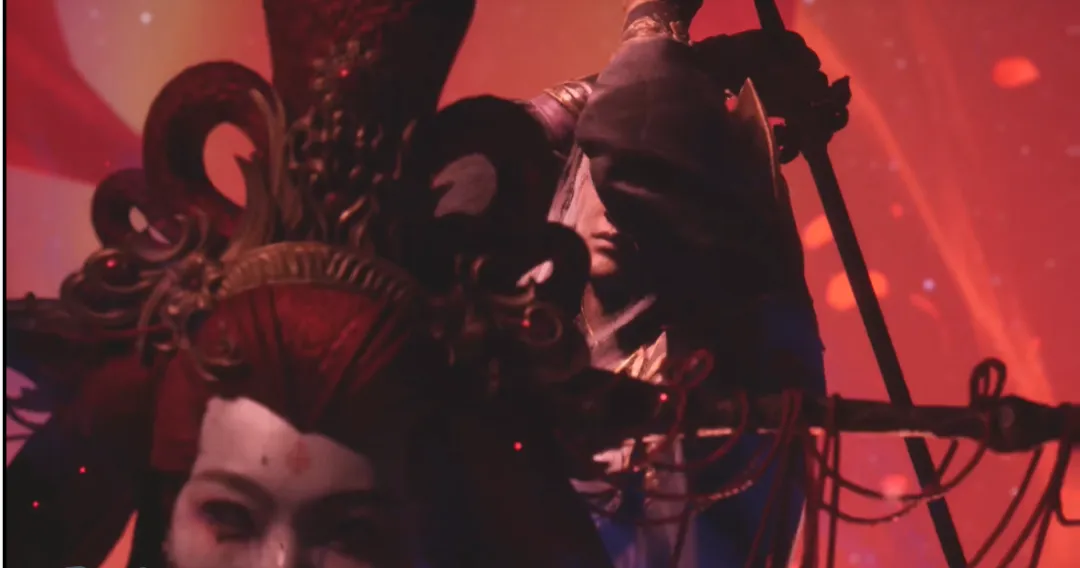
At last Zuo Shang revealed the full extent of his plans. The brothers fought their final duel. Defeated, Zuo Shang left the Radiant Heart to Soul and plunged from the cliff. Whether he survived remained unknown.
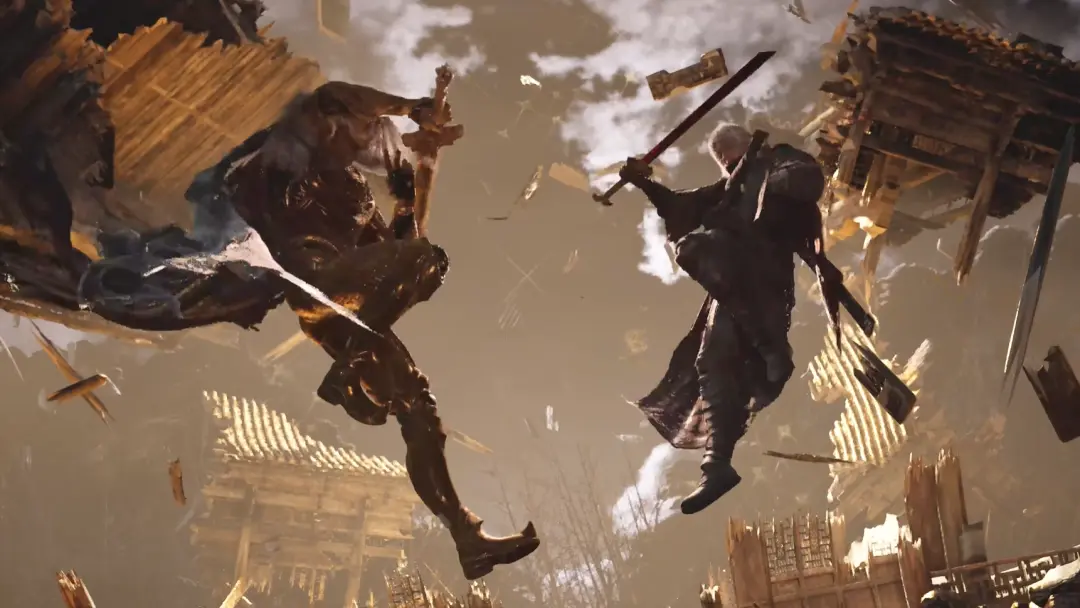
Undated: Farewell in Ye City
In Ye City, Mó Yuan taught Soul Guiling (literally “Return to Zero”), an ultimate technique from the older games and then passed away quietly.
Undated: Cloud Terrace and the Third Great Wulin Upheaval
At Cloud Terrace in Ye City, Soul discovered that most of the Wulin's sect leaders and masters had been murdered by unknown hands. The catastrophe sent the martial world into an irreversible decline and became known as the Third Great Wulin Upheaval.
Around the same time, hundreds of white-clad swordsmen attacked Mu Xiaokui in Ye City. Chang Hong, the Grey Widow, and Mó Jian came to her aid. She then led her followers south toward the Desolate City. The Order's four remaining Shadow Edicts soon began acting on their own plans.
After an Unknown Number of Years
Countless masters and devoted followers tried to preserve the Order, but its destruction could not be prevented. The power that had crushed the two great houses, subjugated hundreds of sects, and ruled the Wulin finally vanished into history.
Phantom Blade Zero DLC and Sequel Theories: What Comes Next?
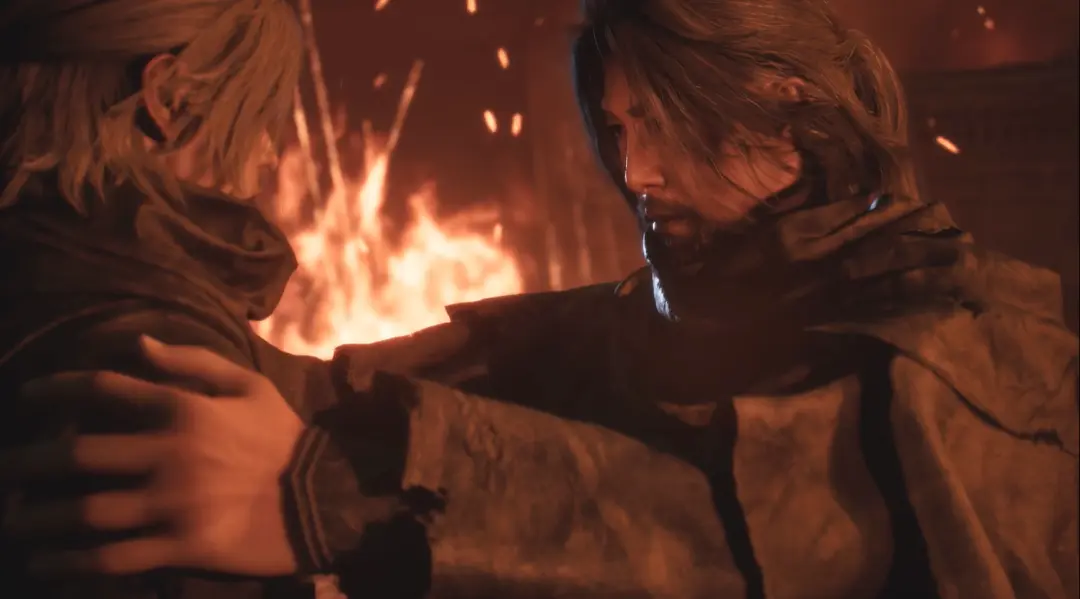
Even after Soul's confrontation with Zuo Shang, not every mystery is resolved. One of the biggest is the whereabouts of Soul's father, Mó Yuan. The last lord of the Bastion of Mó has been imprisoned by Mu Tianmiao for more than thirty years. When Soul encounters him through the Lóng Pillar trials, Mó Yuan tells him not to seek him out yet, but to finish what he must do first.
This opens the door to a story about Soul rescuing his father. In the older games, Mó Yuan teaches Soul the ultimate technique Guiling (literally “Return to Zero”). Whether Zero will revisit that legacy is an intriguing question. Soul's dwindling lifespan, the fate of the Radiant Heart, and the lingering threat of the Blight also remain unresolved.
Another question hangs over Zuo Shang's apparent fall from the cliff: is he truly dead? In classic Chinese wuxia stories, a character who vanishes over a precipice has a remarkable habit of surviving. Zuo Shang's body was also a puppet vessel, so the fall need not mean the death of the man behind it.
That makes Quan Zhong, known as Uncle Zhong, worth watching. The old steward largely vanishes from the story's later events, even though he previously revealed Zuo Shang's origins and disclosed where Mu Tianmiao trained in secret. If Quan Zhong helped Zuo Shang escape unseen, it would fit a classic wuxia twist perfectly.
S-GAME has discussed ideas for further stories or expansions, but no story DLC plot has been officially announced as of this article's publication. Both a rescue mission for Mó Yuan involving Guiling and Zuo Shang's survival remain theories based on the older games and unresolved clues in Zero.
Conclusion: Knowing the Phantom World's Past Makes the Story Richer
From its reception so far, Phantom Blade Zero has more than earned its place among standout action games. Yet for players new to wuxia, ideas such as jianghu (the martial world), sect loyalties, and old grudges can make the story difficult to untangle. Hopefully, this timeline gives those conflicts a little more context and helps bring the Phantom World into focus.
One of my favorite things about this series is how much of its DNA goes back to Liang Qiwei, better known as Soulframe Liang, who began creating Rainblood at around 20 years old. You can still feel that young creator's gloriously over-the-top sense of cool: impossible sword techniques, sinister machines, tangled bloodlines, and Zuo Shang's magnificent golden armor.
To my eye, that armor could have leapt straight from the pages of a classic Hong Kong manhua. There is something wonderfully earnest about a world that never quite outgrew its youthful imagination.
Nearly two decades later, those wild ideas have grown into a remarkably rich wuxia universe. If this history helps you discover another layer of it, the journey through the old chronicles was worth taking.
Whether you are just preparing to play Phantom Blade Zero on PS5 or are chasing every trophy, if you are considering PlayStation Plus, you can also explore the available options at GamsGo, including its PlayStation Plus accounts. Compare the plans and usage terms to see which option suits your needs.
Phantom Blade Zero Story & Endings FAQ
How many endings does Phantom Blade Zero have, and what changes between them?
Phantom Blade Zero has four endings: Annihilation (the Blight consumes the world), Lóng's Roar (Meng Hua is defeated), Final Battle (the true ending featuring Zuo Shang), and Undying Grudge (the special 66 Days ending). The main endings depend on two Mystery quests.
Why did I get Annihilation even after reaching 100% map completion?
Map completion does not unlock the true ending. Complete Secrets at the Heart of the Lake, including Inanis's final dialogue, and clear all five Lóng Pillars in Bloodline Awakening. Missing the lake quest leads to Annihilation; missing the pillars leads to Lóng's Roar.
Why does Zuo Shang intervene against Meng Hua in some endings but not others?
Completing Secrets at the Heart of the Lake disrupts the Lady of the Veil's ritual, changing the final confrontation. Without it, the Blight prevails. Zuo Shang's precise motives and timing remain open to interpretation.
Why did Zuo Shang choose the Hollow Heart and a puppet body?
The Hollow Heart suppresses emotions that could cloud his judgment, while his golden puppet body, powered by the Radiant Heart, protects him from the Blight. His ultimate goal was to control it.
Why does Soul's story end before his 66 days run out?
The story ends before Soul's deadline. In the true ending, the Radiant Heart offers a way to extend his life through Transcension, but his choice remains unknown. Regular gameplay has no countdown; 66 Days mode limits deaths instead.
Related Articles
ZZZ Operation Bagel Guide: Spooky Trial, Hound & Extraction