
Path of Exile 2 (PoE 2) has reached a peak of over 570,000 concurrent players on Steam, attracting a massive audience eager to explore its crafting mechanics, character builds, and trading system.
However, with so many currency types, including Divine Orbs, Exalted Orbs, and Chaos Orbs, beginners often struggle to decide which currencies to save, how to determine their value, and whether crafting gear or buying ready-made equipment is more cost-effective.
This PoE 2 Currency Guide covers the most common currency types, their uses, price factors, and essential trading tips to help you manage your resources efficiently. If you're looking to upgrade your gear, you can also explore Path of Exile 2 Currency on GamsGo to compare available currency types, quantities, and prices.

What Is PoE 2 Currency?
PoE 2 Currency refers to consumable items used for crafting gear, modifying item attributes, and trading with other players in Path of Exile 2. Common currency types include Divine Orbs, Exalted Orbs, and Chaos Orbs.
Unlike gold in traditional RPGs, PoE 2 currency items have their own crafting functions. For example, Exalted Orbs add random modifiers to rare items, while Divine Orbs reroll the numerical values of existing modifiers.
Players can use currency to upgrade their gear or trade it for other currencies and equipment. This creates an important decision: Is it more cost-effective to craft your own gear or save your currency for trading?
It's also important to understand that PoE 2 Currency and Gold serve different purposes. Gold is primarily used for certain in-game systems, vendor services, and trading fees, while currency items such as Orbs are essential for crafting and player-to-player trading.
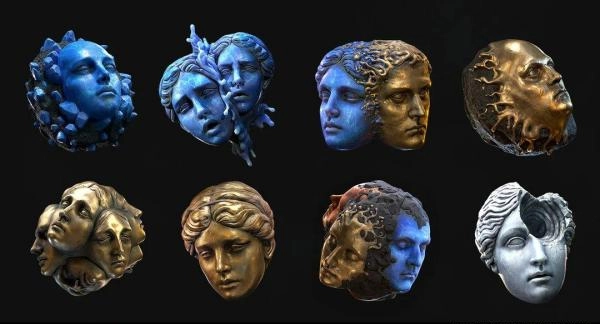
PoE 2 Currency Types and Uses
Common PoE 2 currency types include Divine Orbs, Exalted Orbs, Chaos Orbs, Regal Orbs, and Vaal Orbs. These currencies are primarily used to add or modify item modifiers, upgrade item rarity, craft better gear, and trade with other players.
The table below explains the main functions and best uses of common PoE 2 currency types to help you decide which currencies to save, spend, or trade.
| Currency | Currency Name | Main Function | Things to Consider |
|---|---|---|---|
 | Orb of Transmutation | Upgrades a normal item to a magic item. | Check whether the item base suits your current build. |
 | Orb of Augmentation | Adds a random modifier to an eligible magic item. | Check whether existing modifiers are worth building on. |
 | Regal Orb | Upgrades a magic item to a rare item and adds a random modifier. | Make sure the existing modifiers are worth keeping. |
 | Orb of Alchemy | Upgrades an eligible normal item to a rare item. | Random modifiers may not match your build requirements. |
 | Exalted Orb | Adds a random modifier to an eligible rare item. | Check available modifier slots before using it. |
 | Chaos Orb | Removes a random modifier from a rare item and adds a new random modifier. | You may lose a valuable existing modifier. |
 | Divine Orb | Rerolls the numerical values of existing modifiers on an item. | Values may get worse. Check the potential benefit against its market value. |
 | Vaal Orb | Corrupts an item, potentially producing an unpredictable outcome. | Corruption may prevent further modifications and can negatively affect the item. |
Note: Currency effects and crafting restrictions may vary depending on item type, currency tier, and game updates. Always check the in-game item description before using valuable currency.
Divine Orb vs. Exalted Orb vs. Chaos Orb
Divine Orbs reroll modifier values, Exalted Orbs add new modifiers, and Chaos Orbs randomly replace existing modifiers. The main difference lies in how each currency modifies an item's attributes.
- Divine Orb: Rerolls the numerical values of existing modifiers on an item. Best for gear that already has desirable modifiers but could benefit from higher stat rolls.
- Exalted Orb: Adds a random modifier to a rare item with an available modifier slot. Commonly used to further improve rare gear during crafting.
- Chaos Orb: Randomly removes an existing modifier from a rare item and adds a new one. This can improve your gear, but it also risks removing valuable modifiers.
For example, if your gear already has the right modifiers but low stat values, a Divine Orb may be the better choice. If a rare item has an open modifier slot, you can consider using an Exalted Orb to add another attribute.
For beginners, it's best to identify your crafting goals before spending currency. Understanding how each Orb works can help you avoid wasting valuable PoE 2 currency on unnecessary or risky upgrades.
What Affects PoE 2 Currency Prices?
PoE 2 Currency Prices are mainly influenced by league progression, player crafting demand, currency supply, and game updates. As a result, exchange rates between currencies like Divine Orbs and Exalted Orbs constantly fluctuate rather than remaining fixed over time.
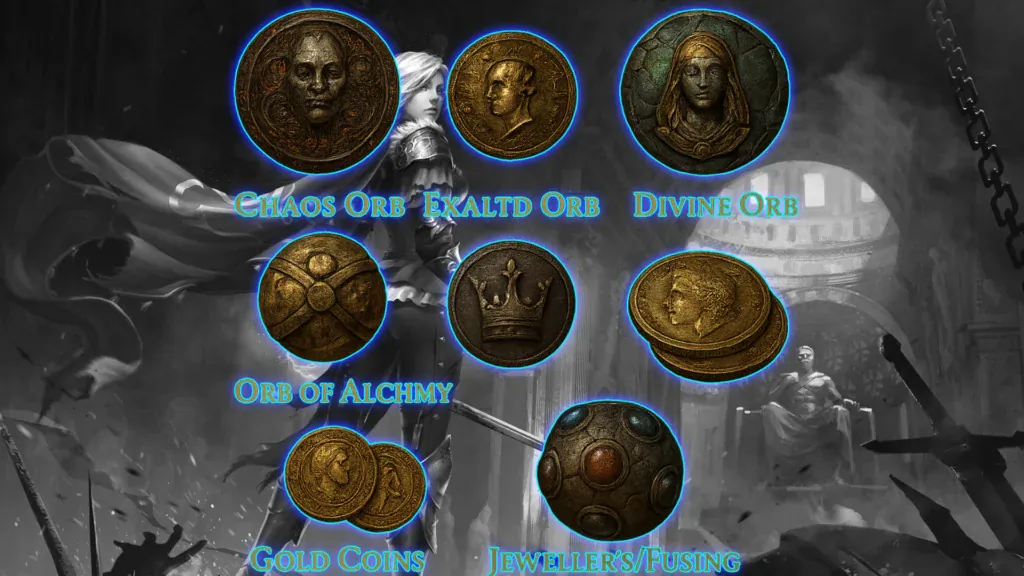
League Progression and Market Demand
League progression plays a major role in PoE 2 currency demand. At the start of a new league, players need to rebuild their gear and resources, which often increases demand for basic crafting currencies.
As more players reach the endgame, demand may shift toward advanced crafting, high-tier equipment, and rare materials, causing currency exchange rates to fluctuate.
As a result, PoE 2 currency prices can vary significantly between the beginning and end of a league. Prices from previous leagues may no longer reflect current market values.
Popular Builds and Crafting Costs
Popular character builds and crafting requirements also influence PoE 2 currency prices.
When a particular build becomes popular, more players may seek the same equipment, crafting bases, and materials. If crafting that gear requires large amounts of specific currencies, demand for those currencies may increase.
However, popular gear isn't always worth its high price. Before trading, make sure the equipment suits your character's progression and check whether more affordable alternatives are available.
Currency Supply and Game Updates
Currency drop rates, overall supply, and game updates can also affect PoE 2 currency prices.
If certain farming strategies consistently generate large amounts of a particular currency, increased supply may drive its relative value down. Conversely, currencies that become harder to obtain may rise in price.
Game updates can also change drop rates, item modifiers, and crafting mechanics, affecting how players use and value different currencies.
Therefore, when evaluating PoE 2 Currency Prices, always consider the current league, latest market prices, and game version rather than relying on outdated price guides.
How to Check PoE 2 Currency Prices?
The easiest way to check PoE 2 Currency Prices is to use the in-game Currency Exchange and the official Path of Exile 2 trade website to find the latest rates for your current league. Third-party price tracking tools can also help you monitor market trends, but their estimates may not always reflect actual trading prices.
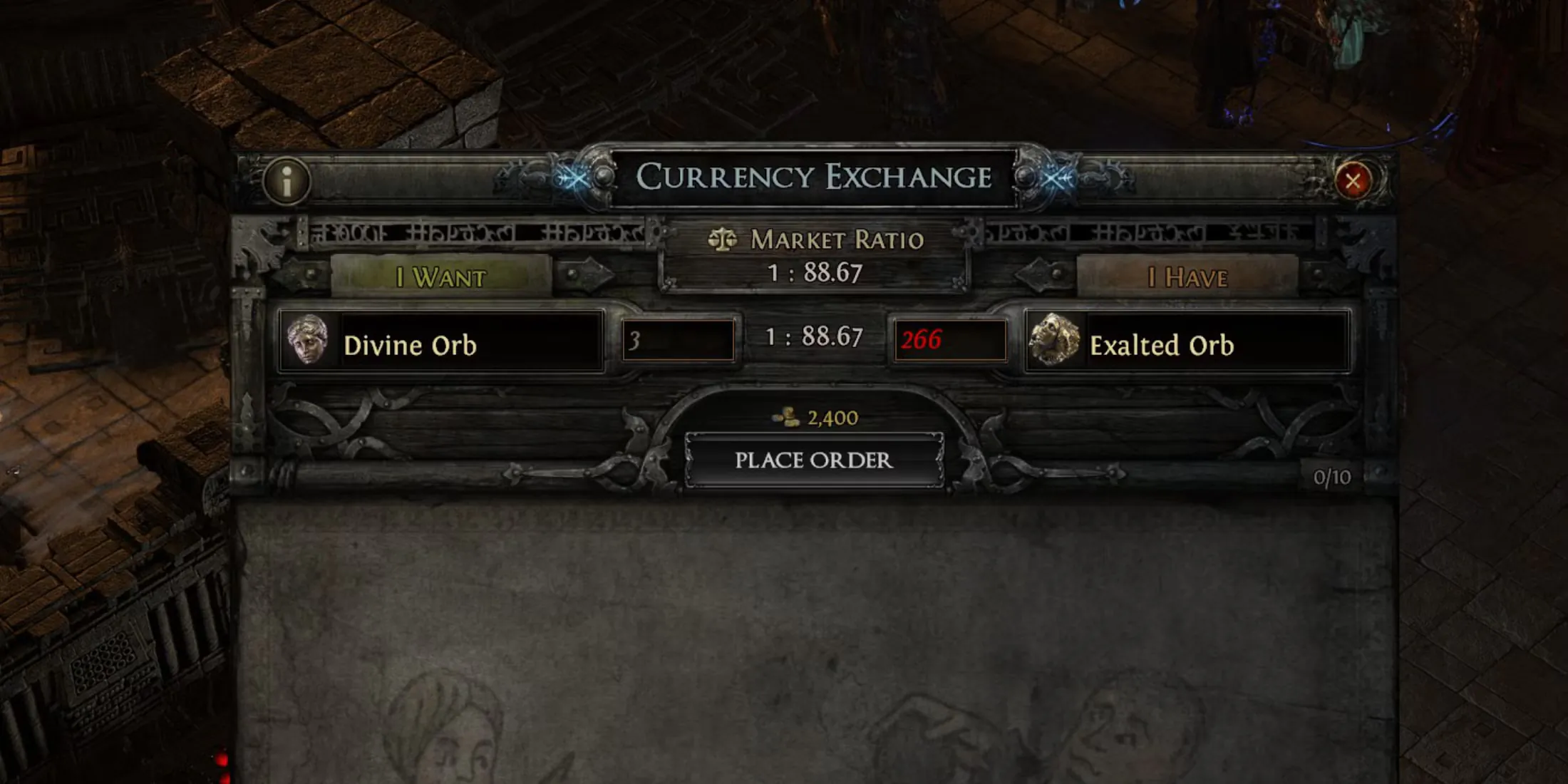
Where to Check PoE 2 Currency Prices
You can check PoE 2 currency prices through the official Path of Exile 2 trade website, the in-game Currency Exchange, and third-party price tracking tools. Each source helps you compare current market rates and make better trading decisions.
- Official Trade Website: Use Path of Exile 2 Trade to check market listings for gear and other tradable items.
- In-Game Currency Exchange: View available currencies and current exchange rates to estimate the actual cost of trading.
- Third-Party Price Tools: Track currency price trends and historical data, but always check when the information was last updated and which league it applies to.
To find accurate PoE 2 currency exchange rates, follow these steps:
- Make sure you're checking Path of Exile 2, not PoE 1.
- Select your character's current league and trading mode.
- Verify the currency's exact name and tier.
- Check whether prices are listed in Divine Orbs, Exalted Orbs, or another currency.
- Compare multiple listings based on quantity, exchange rate, and total cost.
Keep in mind that the lowest listed price doesn't always reflect the actual trading price. Some offers may have limited stock, be outdated, or require you to purchase larger quantities than you need.
How to Calculate Currency Exchange Rates
You can calculate the cost per unit of PoE 2 currency by dividing the amount of currency you spend by the amount you receive.
The formula is:
Cost per Unit = Currency Spent ÷ Currency Received
For example, suppose you want to obtain a particular currency and find the following exchange offers:
| Offer | Currency Received | Exalted Orbs Required | Cost per Unit |
|---|---|---|---|
A | 4 | 20 | 5 Exalted |
B | 10 | 45 | 4.5 Exalted Lowest Unit Cost |
C | 4 | 24 | 6 Exalted |
Note: These figures are for illustration purposes only and do not represent actual PoE 2 currency exchange rates.
Note: These numbers are for illustration purposes only and do not represent actual PoE 2 currency exchange rates.
As shown in the table, Offer B has the lowest cost per unit, but you must exchange 45 Exalted Orbs to receive 10 units. Offer A costs slightly more per unit but is better suited for players who only need 4 units. Although Offer C has a lower total cost than Offer B, it is more expensive than Offer A for the same quantity.
Therefore, when comparing PoE 2 currency exchange rates, consider the cost per unit, the amount you actually need, and your available budget.
Also, keep in mind that buying and selling exchange rates may differ. Market spreads can cause you to lose currency when repeatedly exchanging between two currency types, so it's best to compare rates carefully before trading.
How to Farm and Trade PoE 2 Currency
PoE 2 players can farm currency by running maps, completing endgame content, earning league rewards, and selling valuable items. They can also exchange resources through the in-game Currency Exchange or player-to-player trading.
For most players, consistently farming content they can clear efficiently is more profitable in the long run than chasing rare, high-value drops from difficult encounters.
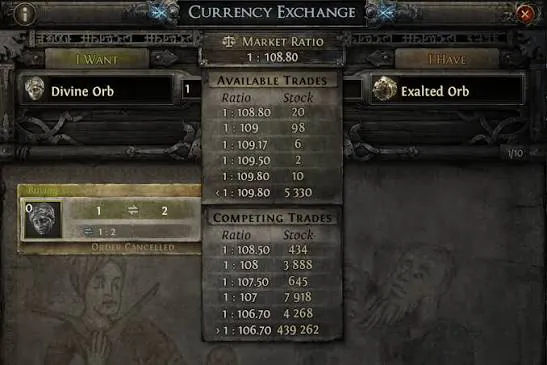
Best Ways to Farm PoE 2 Currency
The best ways to farm PoE 2 Currency include running maps, completing endgame activities, selling valuable items, and participating in league mechanics. Choosing efficient farming strategies can help you earn currency more consistently.
Farm Maps and Endgame Content: Run maps and complete endgame activities to collect currency, equipment, and other valuable tradable items.
Sell Valuable Items: Trade unwanted gear, crafting materials, and other items that are in demand among players.
Use League Mechanics: Participate in current league activities to earn exclusive rewards and valuable trading materials.
Optimize Farming Efficiency: Focus on content you can clear consistently while minimizing deaths, unnecessary expenses, and time spent managing inventory.
For example, high-difficulty content may offer valuable drops, but if it takes too long to complete or frequently results in failure, it may be less profitable than consistently farming easier maps.
To improve your PoE 2 currency farming efficiency, track the resources you invest, the rewards you earn, and the time spent on each farming run. Calculate your average profit rather than relying on occasional rare drops.
How to Trade Currency in PoE 2
In PoE 2, players can exchange eligible currencies through the in-game Currency Exchange or trade items with other players using the official trade website and supported trading systems.
To trade currency using the in-game Currency Exchange, follow these steps:
- Open the Currency Exchange: Access the Currency Exchange after unlocking the feature.
- Select "I Want": Choose the currency you want to receive.
- Select "I Have": Choose the currency you're willing to trade.
- Check the Market Ratio: Review the current exchange rate between the two currencies.
- Confirm Your Trade: Enter the amount, check the required Gold fee, and submit your order.
If a matching offer is available, your trade can be completed. Otherwise, you may need to wait until another player's offer matches your order.
For equipment trading, you can search for items through the official Path of Exile 2 trade website or use the game's supported asynchronous trading system.
Regardless of the trading method, always double-check item names, quantities, modifiers, and final prices before confirming a transaction to avoid costly mistakes.
Tips for Buying PoE 2 Currency
Before buying PoE 2 Currency, make sure the currency type, quantity, league, platform, and delivery conditions match your needs. Comparing these details can help you avoid purchasing the wrong items or paying more than necessary.

If you already know which currencies you need, you can explore Path of Exile 2 Currency on GamsGo to compare available products and seller prices.
Here are the key factors to check before purchasing:
Currency Type: Make sure you're selecting the correct currency, such as Divine Orbs, Exalted Orbs, or other crafting materials.
League and Platform: Verify that the currency is available for your current league and gaming platform.
Quantity and Price: Compare the amount of currency offered, the price per unit, and the total cost to find a suitable deal.
Seller and Delivery: Review seller ratings, delivery methods, estimated delivery times, and after-sales support policies.
PoE 2 Currency vs. Gear: Which Should You Choose?
If you prefer flexible crafting and trading, keeping PoE 2 Currency is usually the better option. However, if you already know which stats you need and want predictable upgrade costs, buying finished gear is often more cost-effective.
Both options have their advantages, depending on your crafting experience, available budget, and character build requirements.
Feature | Currency and Crafting | Finished Gear |
|---|---|---|
Main Advantage | Flexible crafting and customization | Know the exact item stats before buying |
Cost | Depends on materials and crafting results | Usually has a clear market price |
Risk | Random crafting outcomes and potential currency loss | Requires careful price and stat comparisons |
Best For | Players familiar with crafting mechanics | Players with specific gear upgrade goals |
Tip: Compare the expected crafting cost with the market price of finished gear before spending valuable currency.
When Should You Use Currency for Crafting?
Using PoE 2 Currency for crafting is a good choice if you already have a suitable item base, understand the modifier system, and are willing to accept some randomness.
For example, if a rare item already has desirable modifiers but still has an open modifier slot, you can consider using an Exalted Orb to add another modifier.
However, crafting results are not guaranteed. It's best to set a currency budget and know when to stop crafting to avoid spending too many valuable resources on unsuccessful attempts.
When Is Buying Finished Gear Better?
Buying finished gear is generally better when you know exactly which damage, resistance, or defensive stats your build needs and want to avoid unpredictable crafting costs.
When comparing crafting with buying finished equipment, consider the total cost, including the item base, required currency, and potential expenses from failed crafting attempts.
If the estimated crafting cost is significantly higher than the market price of a finished item, purchasing the equipment directly may be the smarter option.
You can also explore Path of Exile 2 Items on GamsGo to compare available equipment, item modifiers, quantities, and other product details.
For players on a limited budget, prioritizing gear upgrades that address your build's biggest weaknesses is often more effective than spending all your currency on a single expensive endgame item.
Conclusion
Managing PoE 2 Currency effectively comes down to understanding how each currency works, checking current market prices, and deciding whether crafting or trading better suits your character's needs.
Divine Orbs, Exalted Orbs, and Chaos Orbs serve different crafting purposes, and their market values fluctuate based on league progression, player demand, and game updates. Before spending or trading currency, always check the current league, currency type, quantity, and exchange rates.
If you prefer flexible gear customization, saving currency for crafting may be the better option. However, if you already know which stats you need, comparing the prices of finished gear can help you avoid unnecessary crafting expenses. Looking to get more PoE 2 Currency? Explore GamsGo PoE 2 Currency to compare available currency types, quantities, and seller prices, and choose the option that best fits your needs.
Related Articles