Lovable and Replit can both use AI to help you build apps, but the experience is quite different once you start using them. Ease of use, how much work it takes to make changes later, whether the platform still works well as your project grows, and whether the price feels justified are all hard to judge from the official product pages alone.
In practice, the two platforms have very different priorities. Lovable focuses on turning an idea into a complete product quickly, with a more straightforward workflow. Replit feels closer to a traditional development environment, with deeper control over code, debugging, and project expansion.
Below, I’ll compare Lovable and Replit based on real-world use, including development workflow, project control, and overall cost, and explain why Lovable works for a wider range of use cases.
Whether you prefer a more developer-focused setup or an App Builder that is easier to pick up and works across more scenarios, GamsGo offers both Lovable accounts and Replit accounts. You can compare how they actually differ first, then choose the one that fits your project better.

Lovable vs Replit: Which Is Easier to Build With?
Lovable is easier to get started with. You describe what you want, review the result, and keep refining it from there. You can get to a fairly complete page or product prototype quickly, without having to step into a full development environment first.
Replit can also generate projects quickly with AI, but it feels more like a traditional development environment. Code, files, and runtime settings appear earlier, giving developers more control but adding more upfront complexity for users who just want to build quickly.
Which Gives You More Control Over the Final App?
From my experience using both, I’d put it this way: Replit gives you deeper control, while Lovable gives you easier control.
Replit is better for projects that need ongoing development and more direct code control. It suits complex SaaS products, API integrations, back-end changes, and hands-on debugging. If the AI output is not right, you can inspect and edit the code yourself instead of relying on repeated prompts.
Lovable makes more sense when your priority is getting an idea into a usable product quickly. For MVPs, landing pages, internal tools, simple SaaS products, or client demos, many layout, page, and interaction changes can be handled through prompts without needing to understand much of the underlying code first.
Which Is Better for Full-Stack and More Complex Projects?
For a simple landing page or internal tool, both Lovable and Replit can handle the job easily. The difference only starts to show when a project moves from “it works” to something more polished, reliable, and built to grow.
Lovable can handle more than many people expect. It can build multi-page SaaS products, connect third-party APIs, add user accounts, and create basic relational data and admin pages without requiring you to write code. For most small to mid-sized projects, MVPs, and client demos, that is already enough.
It starts to feel more limited when a project needs complex permissions, large-scale data relationships, custom high-concurrency back ends, or long-term engineering maintenance. At that point, direct code control becomes more important, and prompt-based changes get harder as the project grows.
Replit is stronger once a project needs deeper code control. You can debug directly, inspect logs, and edit back-end services yourself, which makes it a better fit for developer-led teams maintaining more complex systems.
Most projects do not need that level of control. For many users, full-stack simply means a complete product that can launch and keep running reliably. In those cases, Lovable covers most needs with less setup and maintenance. Replit becomes more useful when the project genuinely grows beyond that range.
For non-coders, Lovable can save more than the subscription cost. You can build simple products yourself without spending extra time learning development or hiring outside help, reducing both learning and development costs.
Replit is more useful when you already have development skills. If you can code, it can help you debug and deploy faster, while Agent handles some repetitive work. But if you rarely touch code, it is harder to get the full value from those features.
Both platforms can also end up costing more than the plan price suggests, but for different reasons.
With Lovable, more complex features can use significantly more credits. Adding something like a full permission system in one request can quickly push credit usage up, and non-technical users may hit the limit without realizing it, forcing them to upgrade or buy more credits.
Replit charges based more on the amount of work Agent performs. The more complex the task and the longer it runs, the higher the cost can be. That makes spending less predictable, especially when several people are working on the same project.
Why Lovable Is Better for Most Users
The comparison above shows why Lovable works better for most users. It is not because Lovable is stronger in every area, but because it matches what most people actually want: turning an idea into something they can test, show, or launch as quickly as possible.
For founders, product managers, and small teams, time is usually the real constraint. Getting an MVP in front of users, launching a landing page, or putting an internal tool to work often matters more than having deep code control from day one.
That is where Lovable has the edge. It cuts out much of the setup, learning, and technical overhead, so you can move into testing and iteration sooner. For most AI App Builder users, that is often more useful than having deeper control over the underlying code.
When Replit Is the Better Choice
Lovable is better for getting a product built quickly, but Replit usually makes more sense if you are already a developer or expect the project to become more complex over time.
If any of the following sounds like you, Replit may be the better fit:
- You can code and would rather make changes yourself than keep adjusting things through prompts.
- You want direct control over the project structure instead of letting AI decide how everything is organized.
- You are building a complex system that you expect to maintain for six months, a year, or longer.
- You prefer a traditional IDE workflow and rely on tools like the file tree, terminal, and debugger.
- You see AI as a way to speed up development, not as the main way you build the product.
In these cases, Lovable’s low-code approach can start to feel limiting. What you need more is control over the development process, with AI helping in the background. If that matches how you prefer to work, Replit is the better choice.
Can You Use Lovable and Replit Together?
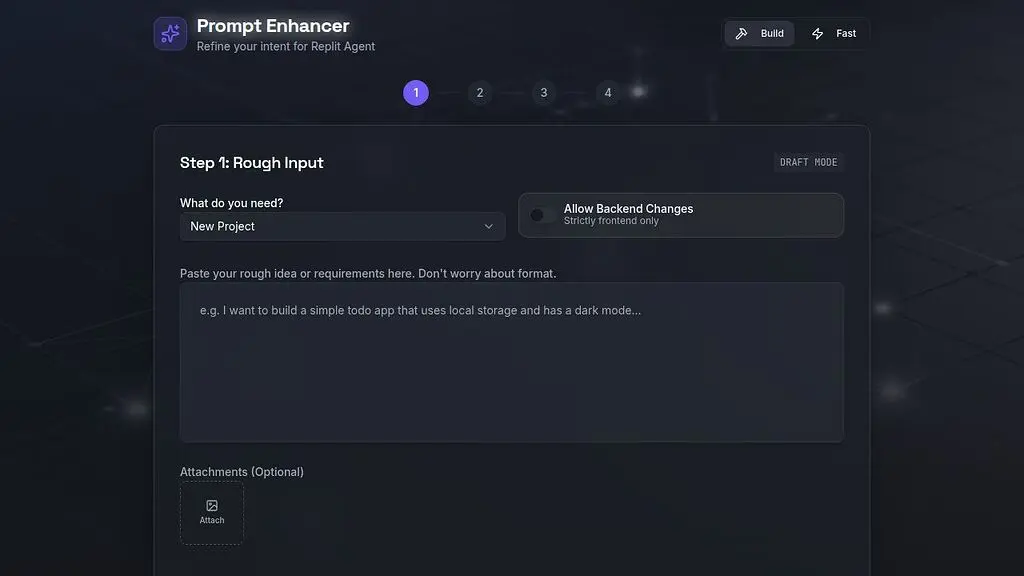
Yes. This is already a fairly common workflow. Replit also supports continuing development from a Lovable project, usually by exporting the Lovable project to GitHub and then importing it into Replit. Instead of treating the two tools as an either-or choice, it can make more sense to use each one at a different stage.
A typical workflow is to use Lovable early on to build the front end and product prototype quickly, then move to Replit once the project needs deeper code changes, more complex back-end logic, or long-term maintenance. This keeps Lovable’s speed during early validation while giving you more development flexibility as the project grows.
This approach works especially well for teams moving from an MVP toward a full product. A non-technical founder can validate the idea first, then hand the project over to developers for deeper work. If the project is expected to be complex from the start, or developers are involved throughout, starting directly in Replit is usually simpler.
So Lovable + Replit makes the most sense as a validate fast, develop deeper later workflow, rather than something every project needs to use at the same time.
Conclusion
If your priority is getting from an idea to a working product with as little friction as possible, Lovable is the easier place to start. Replit makes more sense once code ownership, project structure, and long-term engineering become central to the project.
For most people trying AI app building for the first time, Lovable can cover the validation and early launch stages without adding unnecessary complexity. If the project later needs deeper technical control, you can still move to Replit when that extra flexibility actually becomes useful.
Ready to try Lovable? GamsGo offers lower-cost Lovable accounts, so you can start building without paying the full official price.
We’ve prepared an exclusive promo code for all blog readers:
Enjoy an additional 1% off on your next purchase!
Lovable vs Replit FAQ
Is Lovable or Replit Better for Beginners?
Lovable is usually easier if you have little or no coding experience. Replit is still beginner-friendly with AI, but its IDE and development workflow make more sense once you understand basic coding concepts.
Is Replit Better Than Lovable for Coding?
Yes, if coding is a major part of how you work. Replit gives you a full IDE, terminal access and more freedom over languages and backend logic, while Lovable is designed to reduce how much code you need to manage.
Which Is Better for Building an MVP, Lovable or Replit?
Lovable is usually the easier starting point for an MVP because you can move from an idea to a usable product quickly. Replit makes more sense when the MVP already needs custom code or complex backend logic.
Can Lovable Build Full-Stack Apps?
Yes. Lovable can build web apps with frontend, authentication, databases and backend features. Replit offers more flexibility when you need different languages, custom server logic or a less opinionated stack.
Which Is Better for Complex Projects, Lovable or Replit?
Replit gives you more room as code and backend complexity increase. Lovable works well when speed and simplicity matter more, while Replit is better suited to projects that need deeper debugging, customization and long-term development.
Can I Move a Lovable Project to Replit Later?
Yes. A common path is to start in Lovable, sync the project through GitHub, then continue development in Replit when you need more direct control over the code.
Which Is Cheaper, Lovable or Replit?
The listed subscription price does not tell the whole story. Both platforms meter AI usage differently, so the better value depends on how often you build, how complex your tasks are and how much coding you can handle yourself.
Should I Choose Lovable or Replit?
Choose Lovable if you want to get from idea to product with less technical work. Choose Replit if you already code and want more control over how the project is built, debugged and maintained.
Related Articles