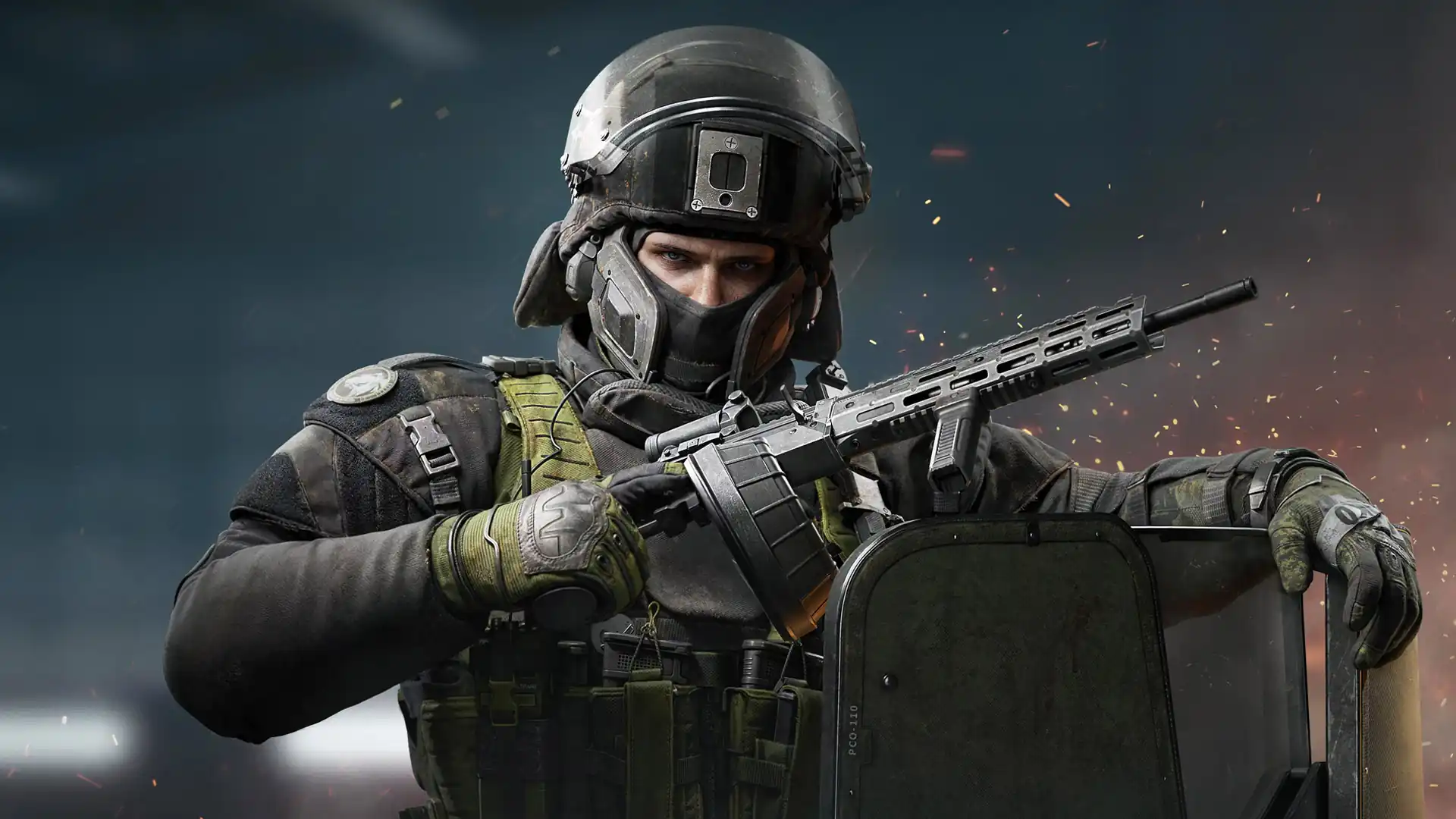
The brand-new Operator “Liquid Nitrogen” is set to report for duty at the Special Operations Department in Season 10. According to currently leaked ID card information, “Liquid Nitrogen” will debut in the new season of Delta Force as a new Engineer Operator.
Unlike traditional Engineer Operators, “Liquid Nitrogen” appears to focus more on using special equipment to restrict enemy movement on the battlefield, creating breakthrough opportunities for teammates.
Here is everything we know so far, including the leaked ID card details, skill mechanics, Operator role, and expected release window for “Liquid Nitrogen.” We will continue to update this page as official announcements and more leaks become available.
If you want to get the new season pass at a better price and unlock the new Operator faster, you can save up to 25% with GamsGo for a Delta Force top-up.
Delta Force “Liquid Nitrogen” Operator Overview
Gabriel Merrill was once an engineer responsible for the cooling system at a nuclear facility. After a major accident occurred there, he became caught up in a series of legal troubles. He eventually lost his job, and his mental state was also seriously affected.
Later, Gabriel Merrill returned to military service and was deployed to a polar region, where he was assigned to a CBRN-related unit. When the personnel originally responsible for technical support became unable to take the position, G.T.I. conducted an assessment and decided to have Gabriel Merrill step in as a substitute operator for the mission.
Below is the known identity information for Gabriel Merrill:
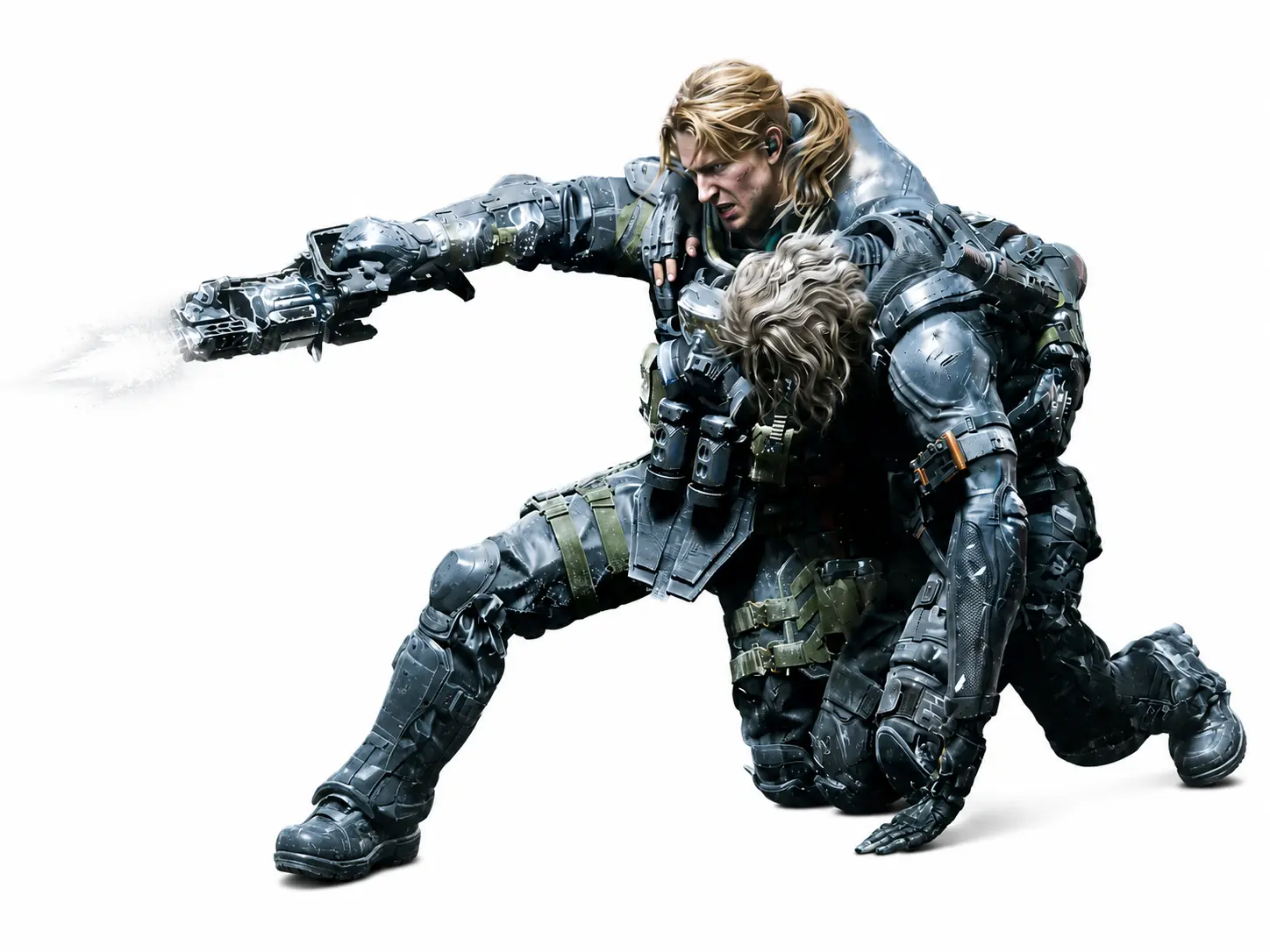 | Name | Gabriel Merrill |
| Codename | Liquid Nitrogen | |
| Operator Role | Engineer |
Skill Breakdown
Liquid Nitrogen’s abilities appear to revolve around cryogenic suppression and area control, making him a tactical operator capable of changing the pace of a firefight.
Dewar Cryo Canister
After using the Dewar Cryo Canister, Liquid Nitrogen can deploy up to two devices at once. Once they land, the devices continuously release icy mist, quickly spreading cold air and creating a low-temperature zone that remains active for an extended period.
Enemies who step into the zone will gradually accumulate cryogenic effects, causing increasingly noticeable reactions such as intense coughing, reduced ability to hear nearby footsteps, and a disrupted movement rhythm. The mist can also attach to closed doors, freezing them and limiting enemy movement and rotations.
Thermal-Tracking Stun Grenade
The Thermal-Tracking Stun Grenade allows Liquid Nitrogen to throw a stun device that automatically tracks enemies.
After being thrown, it first flies into the air before searching for targets. Once it approaches an enemy, it detonates and briefly disrupts their vision. If the target is already affected by the cryogenic effect, they will also be marked.
This skill feels somewhat like a combination of Bit’s smoke and the small spider: vision disruption plus enemy detection. When used together with the Dewar Cryo Canister, Liquid Nitrogen can first apply the cryogenic effect, then throw the tracking stun grenade to briefly “light up” enemies hiding behind cover or around corners, creating a small-scale vision-reveal combo.
Rapid-Fire Condensation Grenades
When using this ability, Liquid Nitrogen pulls out a launcher loaded with six grenades and fires continuously at the target area. After exploding, the grenades deal area damage and leave a cryogenic effect near the blast zone. More specific damage range details can be added later once further information is available. As he keeps firing, the launch rhythm gradually speeds up.
This skill can also be combined with the tracking stun grenade. First, use the stun grenade to lock onto and mark the enemy, then follow up with grenade fire to keep the target suppressed by both explosions and cryogenic effects.
Frost Reaction / Cryogenic Adhesion Passive
This is Liquid Nitrogen’s passive ability. When he uses his ultimate or the Dewar Cryo Canister, the passive creates a low-temperature zone that continuously slows enemy movement until they are completely frozen.
A recommended combo is to first use the Dewar Cryo Canister to create a cryogenic zone and restrict enemy movement. Then, use the tracking stun grenade to locate enemies and mark targets affected by the cold. Finally, follow up with the condensation grenades to deal damage, stack more cryogenic effects, and keep enemies trapped inside the control area.
Liquid Nitrogen Role Analysis
Based on the current leaks, Liquid Nitrogen is closer to a battlefield tempo-control operator.
His abilities focus on cryogenic effects, slowing, blocking routes, and area suppression. Once affected by his skills, enemies will struggle to hold angles steadily or reposition freely. Even if they try to take cover or hold key positions, the icy mist and slowing effects can disrupt their rhythm.
In actual combat, Liquid Nitrogen should be especially useful for helping the team create openings. Assaulting buildings, clearing rooms, pressuring doorways, holding staircases, and blocking escape routes are all situations where he can shine. Enemies who normally rely on cover to peek repeatedly or wait for teammates to rotate may be forced to move early, expose their position, or get stuck in an awkward spot once they are limited by cryogenic effects.
For now, Liquid Nitrogen can be understood as a local area-control operator. He compresses enemy movement space through his skills, helping the team push, defend, or extract more safely.
Predicted Learning Curve
Liquid Nitrogen will likely have a relatively high learning curve, but he does not seem like a purely mechanics-heavy operator.
The key to his kit lies in accuracy and timing. Players need to know which route to block with the Dewar Cryo Canister, how to use the tracking stun grenade together with the cryogenic effect for information, and when to follow up with condensation grenades after the enemy’s movement has been restricted.
To play Liquid Nitrogen well, players will need strong map knowledge, a good understanding of attack routes, and awareness of common enemy positions.
For example, when you confirm that enemies are about to enter through a certain door, you can immediately use an ice wall to block it, forcing them to take another route and giving your teammates time to adjust their aim.
He is not an operator who gets value by simply throwing skills at random. In skilled hands, he can make the enemy feel completely trapped. In the wrong hands, however, he may do little more than leave a patch of icy mist on the ground.
Comparison Between “Liquid Nitrogen” and Existing Engineering Operators
Among the current Engineer operators, Liquid Nitrogen’s value lies in filling a relatively rare “hard-control” role within the Engineer class. Delta Force currently has the following five Engineer operators.
To help you quickly decide which operator to prioritize in different situations, here is a comparison of the five operators’ abilities:
| Operator | Core Role | Strengths | Weaknesses |
|---|---|---|---|
Liquid Nitrogen | Area Control / Route Denial | Can slow, freeze, and block enemy movement, making him strong for holding doorways, staircases, chokepoints, and retreat paths. | Low direct damage. If enemies rotate around his control zone, his suppression value drops significantly. |
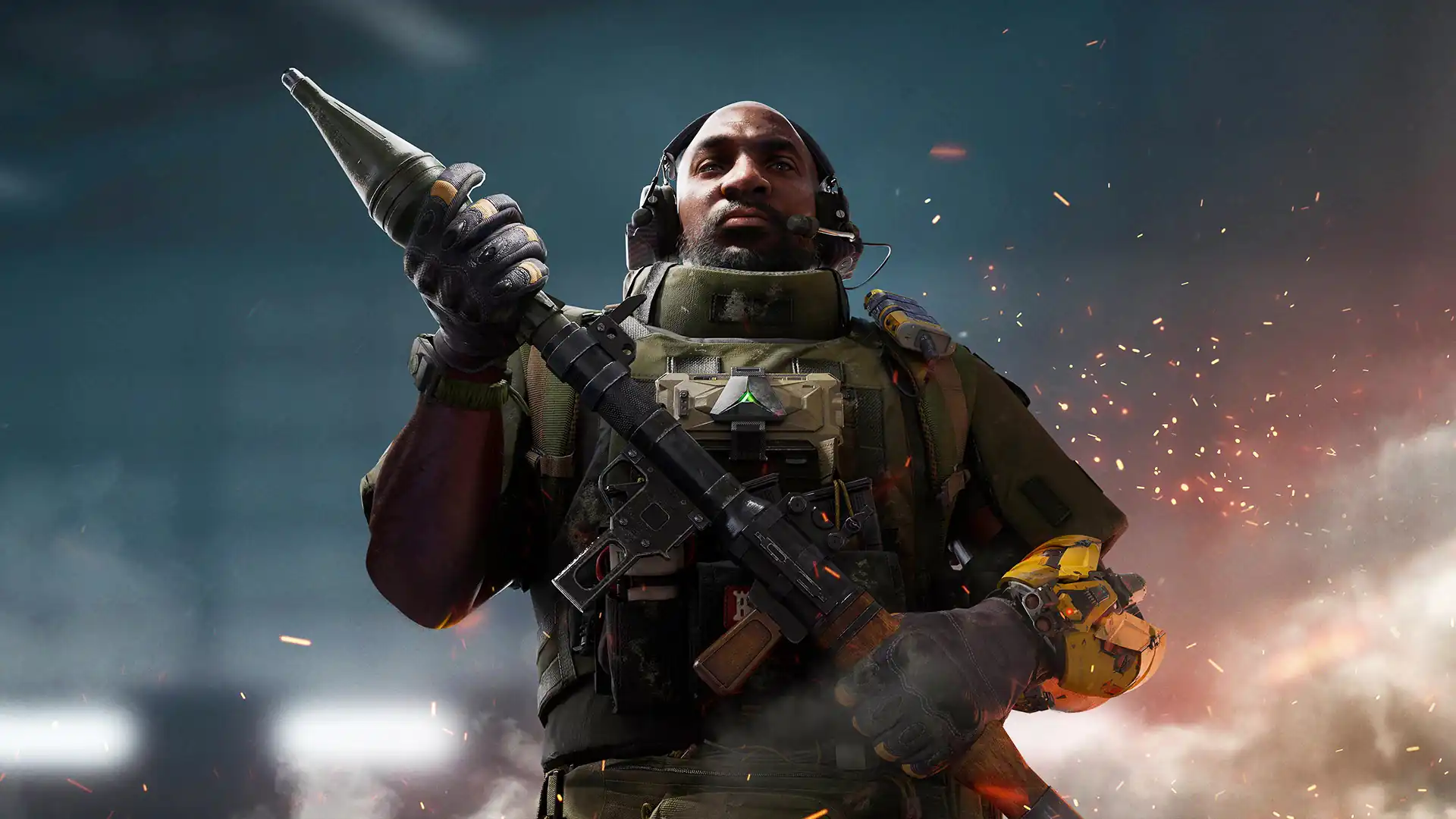 Shepherd | Defensive Suppression | Reliable for holding objectives. Uses sonic devices and traps to delay enemy pushes and disrupt advances. | Weak offensive pressure. Better suited for defense than forced site-breaking. |
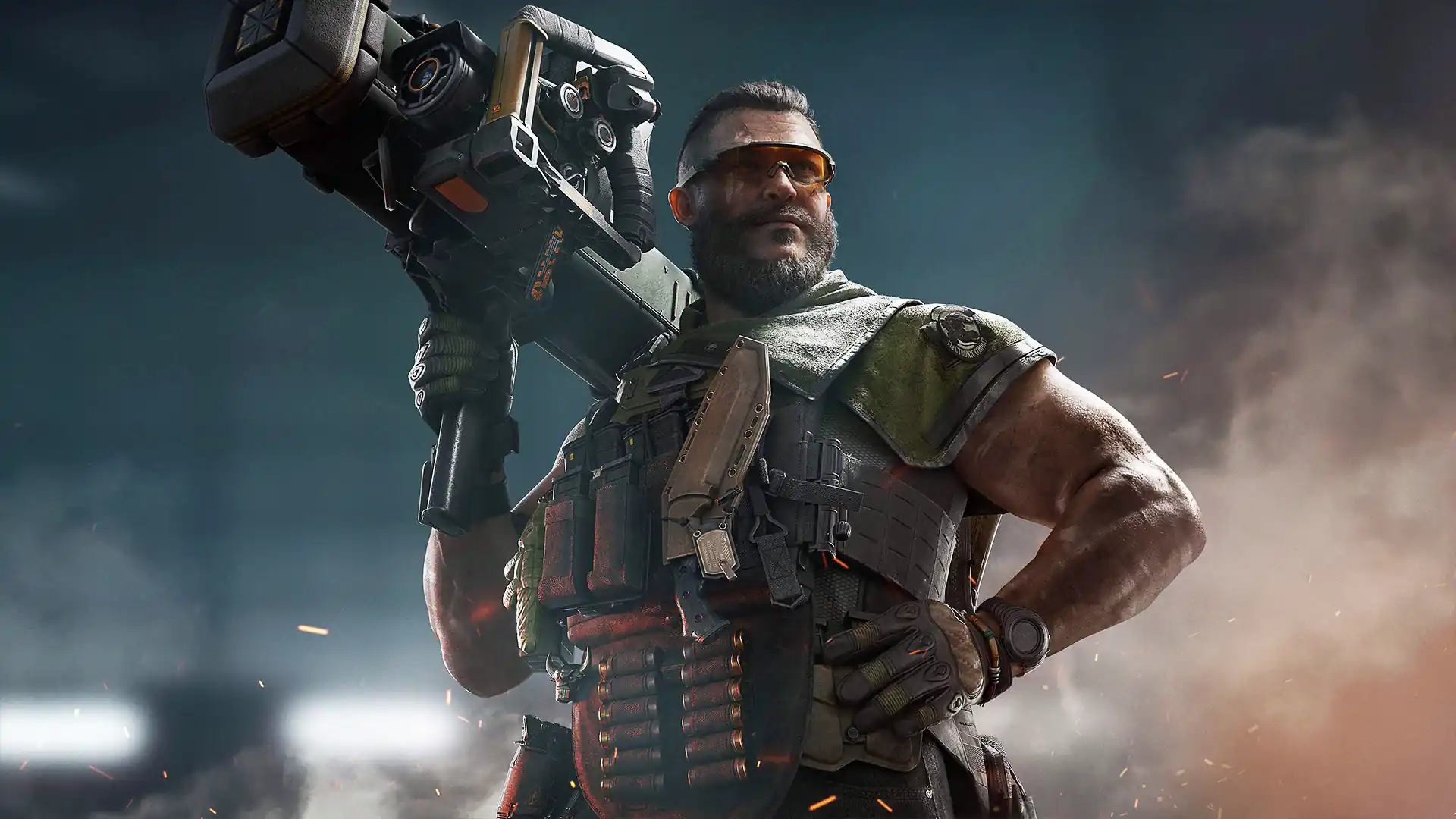 Uluru | Breach / Explosive Push | Strong at opening fights. Guided explosives and incendiary tools are effective for breaking fortified positions. | Skills are more burst-oriented. After the initial impact, his sustained pressure is limited. |
 Sineva | Close-Range Frontline Tank | Shield and heavy armor make him ideal for pushing doors, holding close angles, and absorbing enemy fire. | Weak at mid-to-long range and vulnerable to focused fire. |
 Gizmo | Mechanical Harassment / Disruption | Spiders, smoke, and tracking devices create chaos, pressure, and information advantages. | Devices can be cleared, and his direct frontline pushing power is limited. |
Overall, the roles of the four existing Engineer operators are already quite clear: Shepherd slows down the pace, Uluru breaks defensive lines, Sineva holds close-range pressure, and Gizmo disrupts chaotic fights. Liquid Nitrogen’s biggest difference from them is that he prevents enemies from moving according to their original plan.
Conclusion: Is the new operator worth choosing?
Yes. The new operator Liquid Nitrogen is very likely to become a strong pick in defensive scenarios. If his low-temperature mechanics can work consistently, many common tactics will become much less comfortable for the enemy.
The value of this type of operator is often not reflected in kill count, but in the small details of a match. One blocked doorway may allow a teammate to revive safely; one slowdown may stop an enemy from following up with a trade; one freeze may directly interrupt the opponent’s attack rhythm.
For now, Liquid Nitrogen is better viewed as an operator with high potential, but one whose strength depends heavily on real-match performance. He may make coordinated teams that know how to hold positions and work together feel much more comfortable.
If your Delta Coins are not enough for the new season, GamsGo offers a 25% off on Delta Coins top-up, helping you make every coin count.

FAQ
Who is the new operator in Delta Force Season 10?
The new operator in Delta Force Season 10 is Liquid Nitrogen, also known as Gabriel Meriel. He is a new Engineer operator whose mechanics revolve around low temperature, slowing effects, area denial, and crowd control. Instead of focusing only on direct damage, Liquid Nitrogen is better at disrupting enemy pushes and creating attack or defense windows for his team.
What role does Liquid Nitrogen play?
Liquid Nitrogen is an Engineer operator. Engineer operators usually use tactical equipment to influence the battlefield, but Liquid Nitrogen leans more heavily into crowd control. He can use low-temperature effects to slow enemy movement, disrupt visibility, and control key areas, making him useful for defending objectives, blocking routes, and interrupting enemy pushes.
Is Liquid Nitrogen better for attack or defense?
Liquid Nitrogen is more suited for defense and area control, but it can also be useful on offense. On defense, he can use cold zones to block doors, corridors, and cover positions. On offense, he can use his control tools to force enemies out of strong positions before his teammates push in.
Is Liquid Nitrogen suitable for beginners?
Liquid Nitrogen may have a moderate learning curve for beginners. His value does not only come from getting kills, but also from skill placement, timing, and team coordination. If his skills are used randomly, the impact may be limited. However, if players can predict enemy routes and block key areas in advance, Liquid Nitrogen can be very effective.
Is Liquid Nitrogen worth unlocking first?
If you enjoy control-based gameplay or often play in coordinated team modes, Liquid Nitrogen is worth prioritizing. His kit has strong potential in objective fights, narrow corridors, and defensive counterplays. However, if you prefer high-mobility assault gameplay or pure damage output, he may not be the most direct choice.
What maps or situations suit Liquid Nitrogen best?
Liquid Nitrogen is better suited for maps with many corridors, cover points, doors, and indoor fights. In these areas, his cold zones and route-blocking abilities are easier to use effectively. On very open maps, enemies may be able to avoid his skill range more easily, which can reduce his control value.
Related Articles
Delta Force All Active Redeem Codes
Chaos Zero Nightmare All Active Codes