From FC 25 through FC 26, Evolutions have easily been one of my favorite parts of Ultimate Team. There is something satisfying about taking a player you already like, even if the base card is nothing special, and slowly turning them into someone who can actually stay in your starting XI.
FC 27 takes that idea a step further. With Evo Chains, Pathways, and more PlayStyle choices, you have a lot more freedom to shape a card around how you actually want to use it.
I have spent plenty of time digging through the current Evolution requirements, stat boosts, PlayStyles, Roles, and possible Evo routes. In this guide, I will focus on the best FC 27 Evolutions right now, the best players for each Evo, the strongest Evo Chains, and how to tell whether a player is actually worth using an Evolution on.
Need a specific player for your next Evo? FC 27 Coins can help you pick up eligible cards from the Transfer Market and keep building your Ultimate Team.

Best FC 27 Evolutions Right Now
Here are the FC 27 Evolutions I think are most worth doing right now, with a focus on the best players, the upgrades that actually matter, and their Evo Chain potential. The goal is simple: take players you already like and give them enough of a boost to keep up with the current game.
Fullback Fork: Best Players and Upgrades
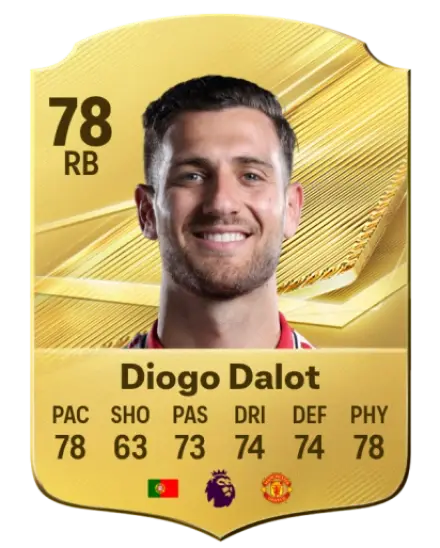
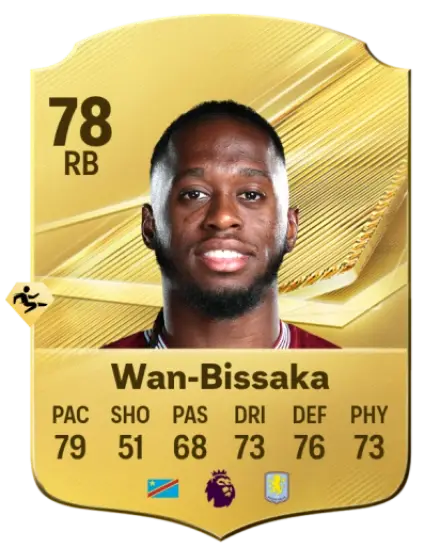
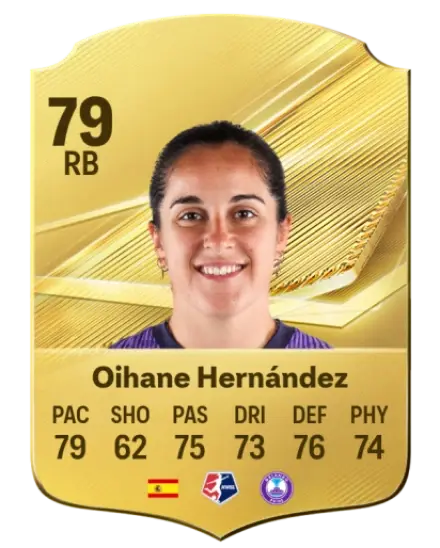
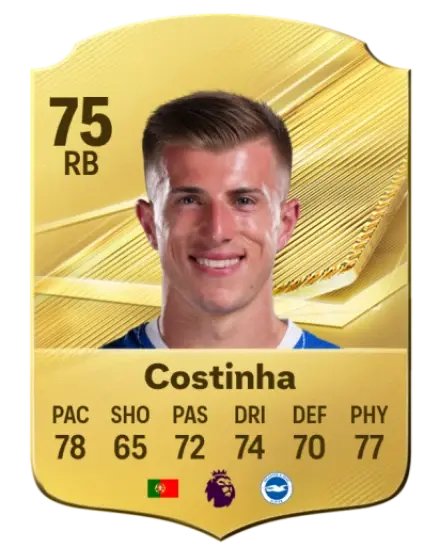
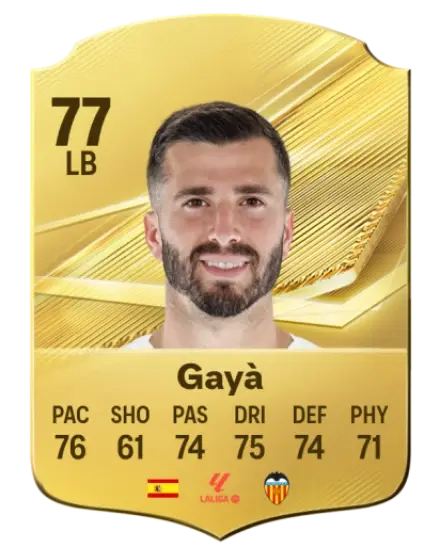
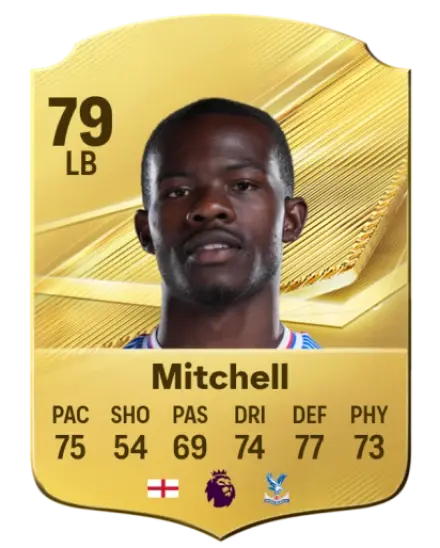
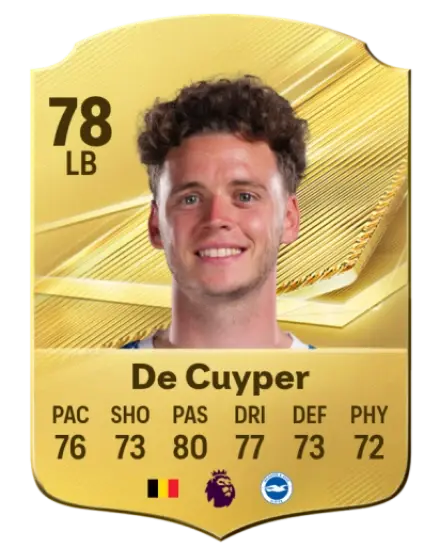
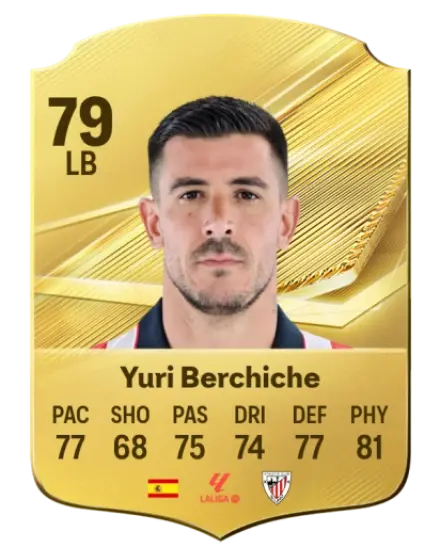
Dalot, Wan-Bissaka, and Gayà are the safer picks here. They are the kind of cards you can finish, throw straight into the team, and not think too much about.
Costinha, Oihane, and Yuri are a bit more personal. With Fullback Fork giving you different paths, I would not say Attack or Physical is automatically better. It really comes down to what the card already has and what kind of fullback you actually want to end up with.
Repeat Delivery: Best Players and Upgrades
Repeat Delivery works better as the starting point for a longer Evo Chain than as a one-and-done upgrade. Most of the value goes into passing, dribbling, and stamina, so it is less about making a card instantly cracked and more about giving a low-OVR LM or RM a better base to build on.
That is why I would look at the player profile first. Good movement, useful positions, PlayStyles, or a strong physical base matter more here than the final rating you get from this Evo alone.
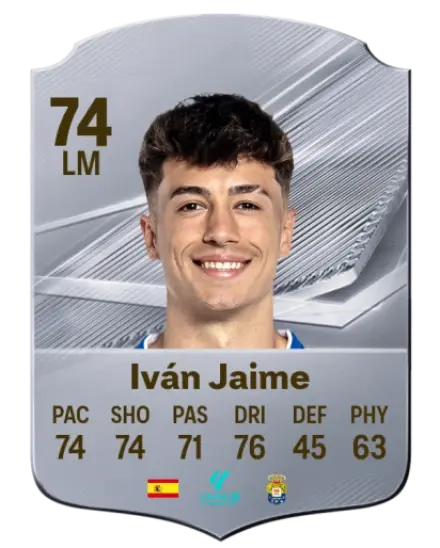
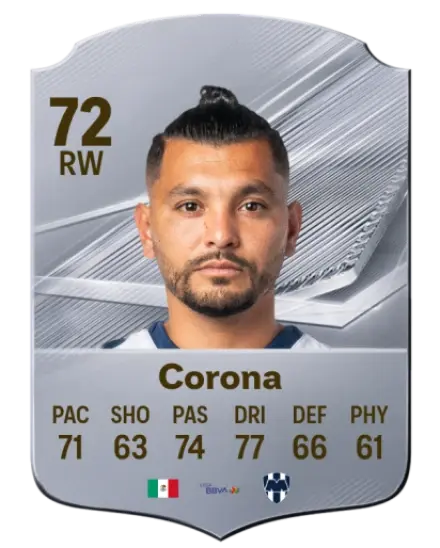
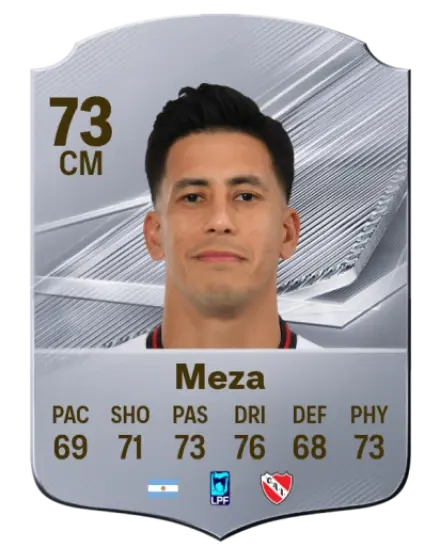
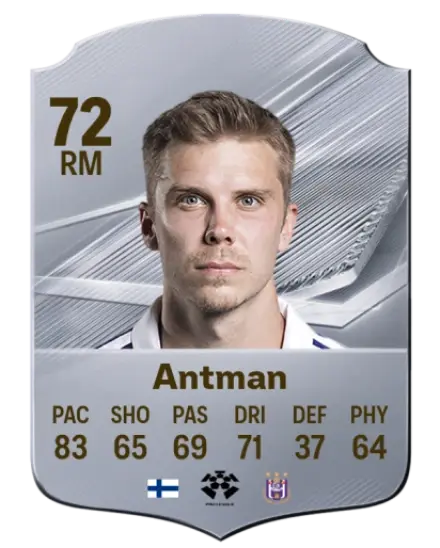
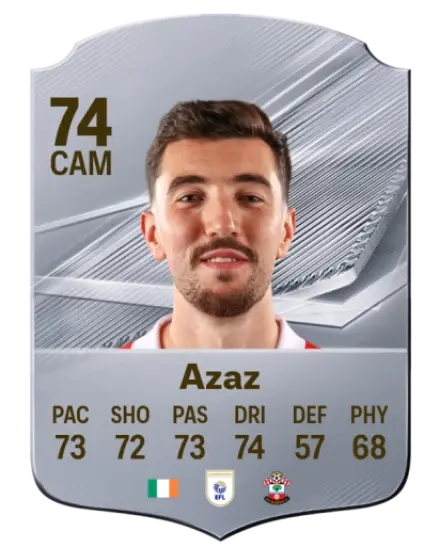
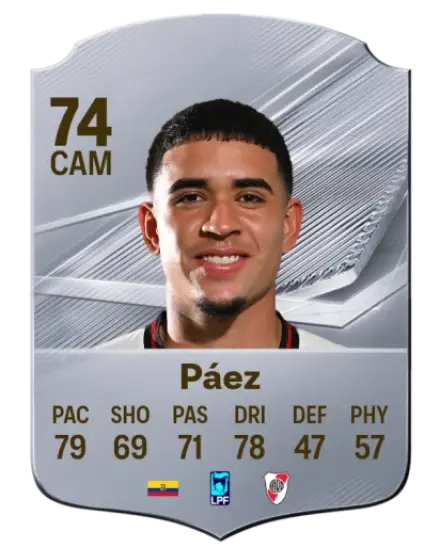
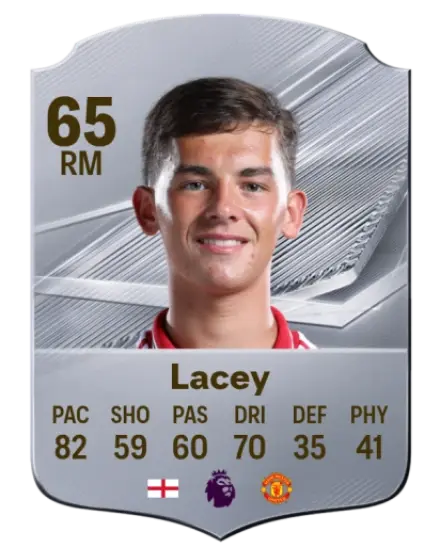
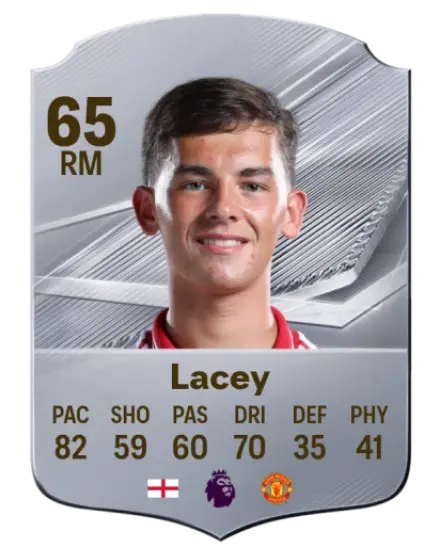
Páez and Lacey are more for players who really enjoy the Evo grind. Páez is appealing because of the 5★ Skills, agility, and long-term Chain potential. Lacey only reaches 73 OVR here, so he is not the pick if you only care about immediate strength.
But if the whole point is taking a young player you like and building him up over time, he fits what Repeat Delivery is really about.
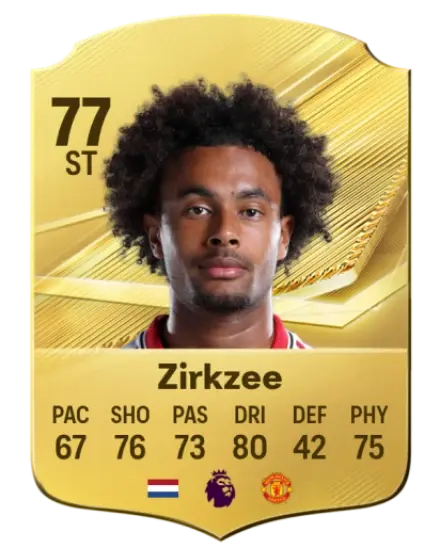
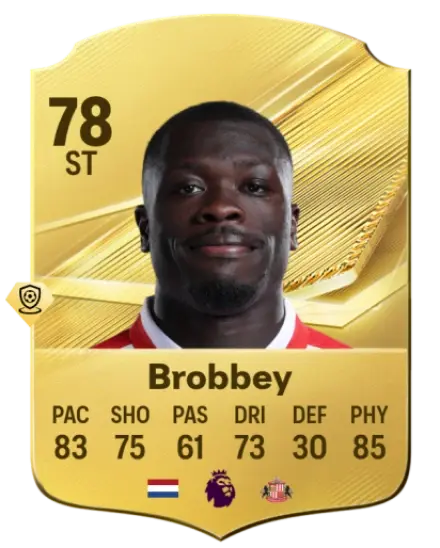
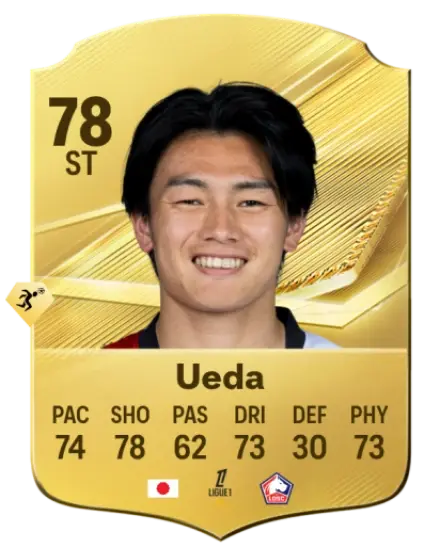
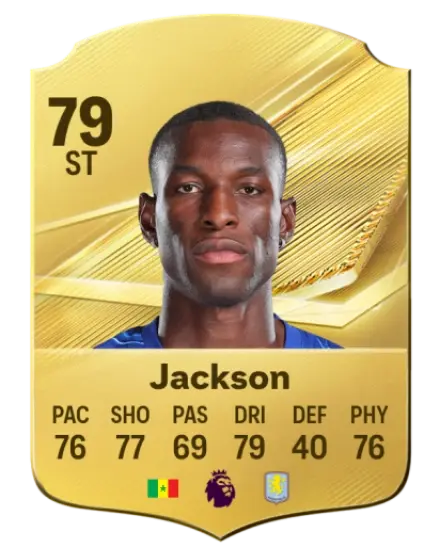
Striker Glow Up: Best Players and Upgrades
Striker Glow Up is perfect for bringing back those strikers you already like but who are just a little short in the base stats. It hits the areas an ST actually needs, with boosts to Finishing, Pace, Agility, and Composure.
That is why I would rather use it on a forward who already has something interesting about them, whether that is the body type, movement, or how they feel on the ball, instead of just throwing in a 79 OVR card that is already close to the cap.
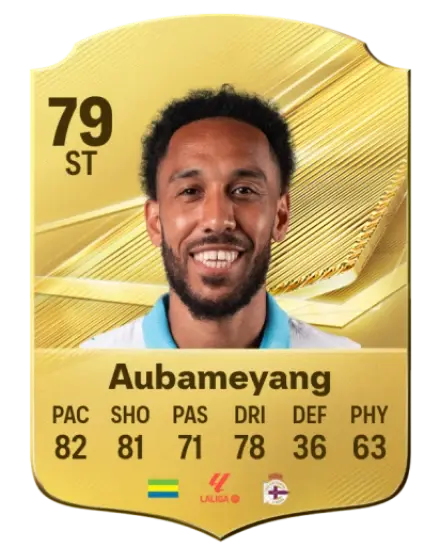
Intro to Evolutions: Best Players and Upgrades
Intro to Evolutions is a great first step for building up a low-rated RB. It gives useful boosts to pace, ball control, crossing, and defending, so I care more about what the card already has before the Evo starts.
Things like body type, PlayStyles, league links, and whether the upgrades actually fix the card’s weak points matter more here than simply picking the highest-rated eligible player.
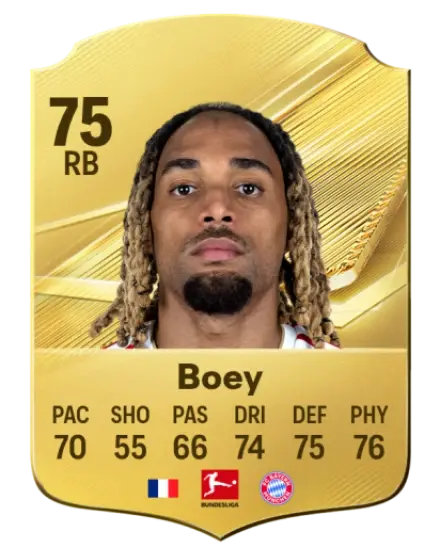
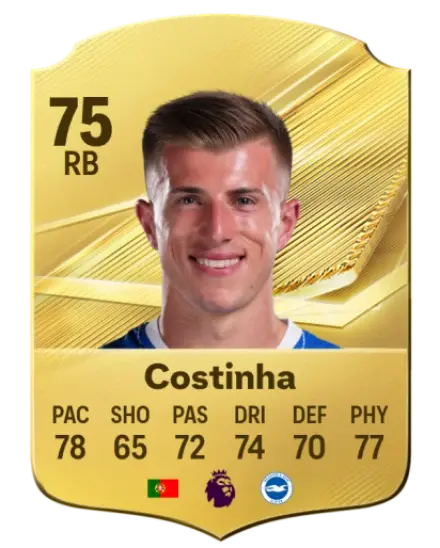
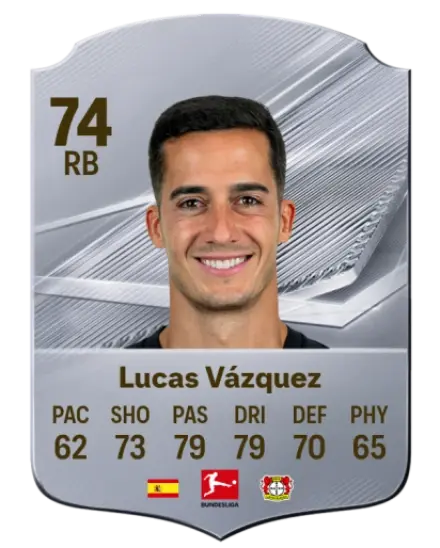
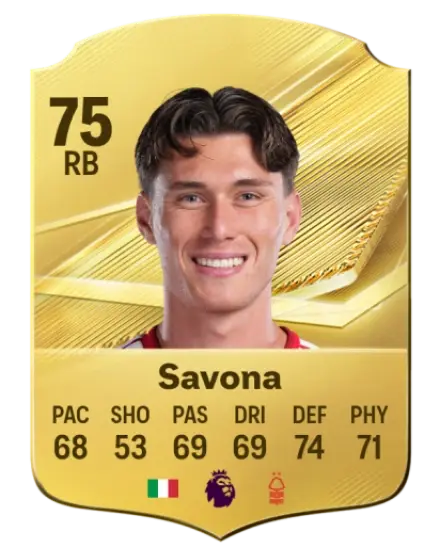
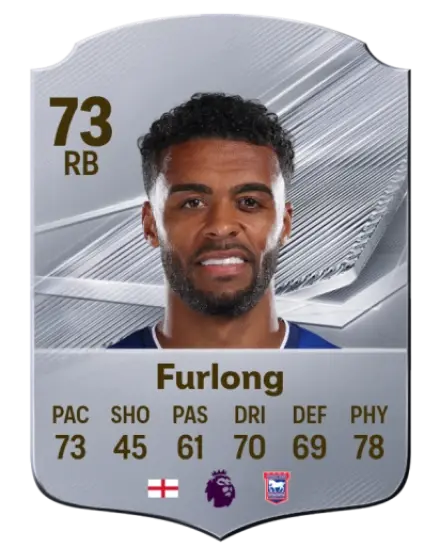
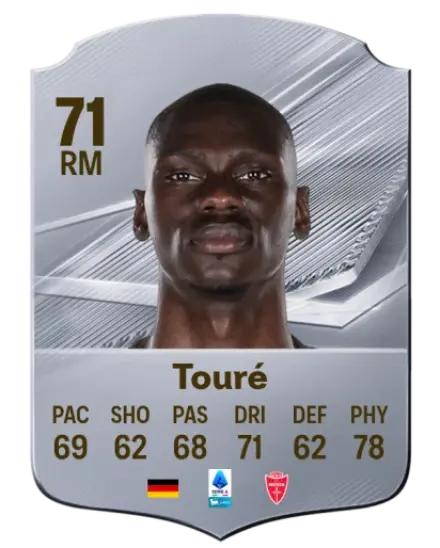
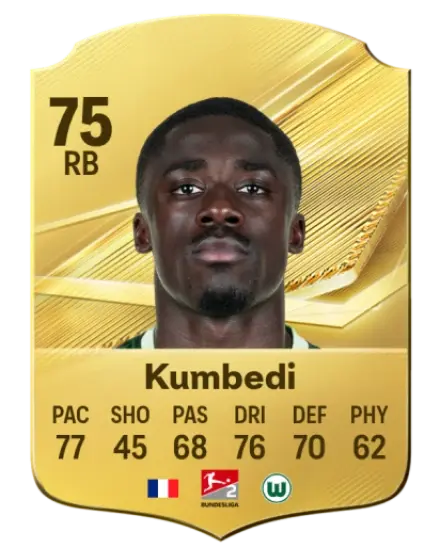
Boey is the easiest pick here. Vázquez makes more sense if you like your fullbacks getting involved further up the pitch, while Costinha’s value is less about a crazy final card and more about how cleanly this Evo improves the areas that actually matter.
Touré, Furlong, and Kumbedi are more down to personal preference. Touré is great if you enjoy building up low-rated cards, Furlong leans more into the physical and defensive side, and Kumbedi feels more like a young fullback project with good movement and plenty of room to grow.
Intro to Repeatable Evolutions: Best Players and Upgrades
Intro to Repeatable Evolutions is not a massive upgrade on its own, but being repeatable is what makes it useful. I would treat it more like a cheap way to polish a striker rather than something that completely changes the card.
It works best on STs that already have something you like, whether that is the movement, body type, or star ratings, and just need a few extra boosts to feel better in game.
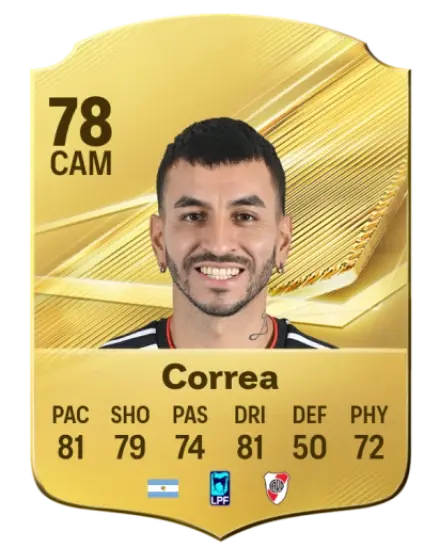
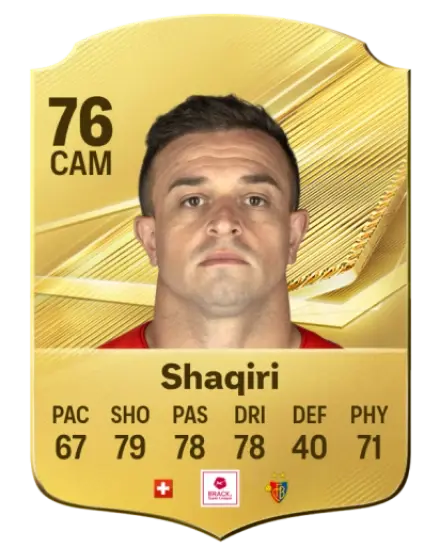
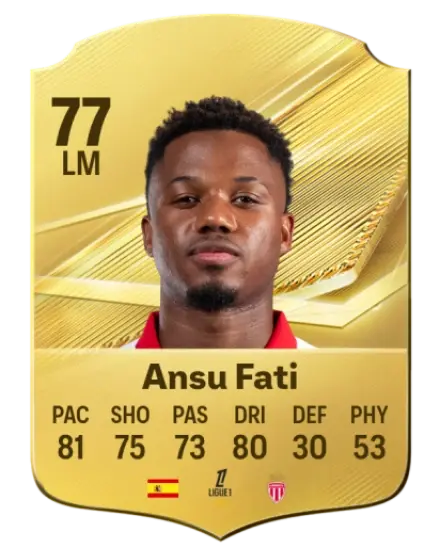
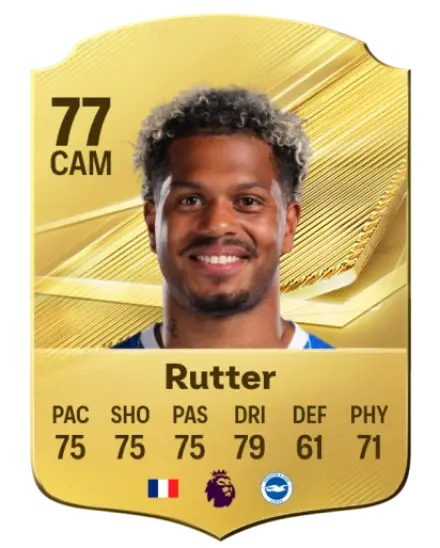
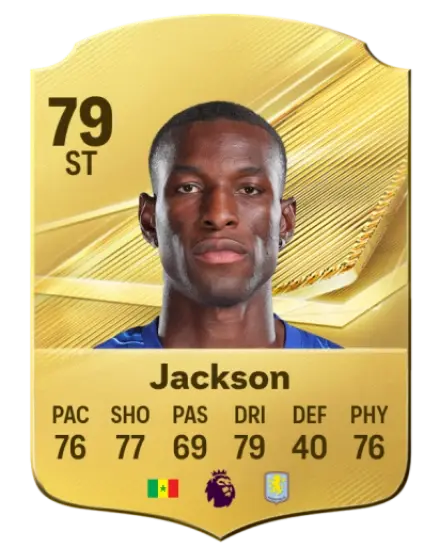
Jackson is the safer pick, but this Evo does not really fix the two things he needs most: better star ratings and more explosiveness. That makes him useful, but not necessarily the best value here.
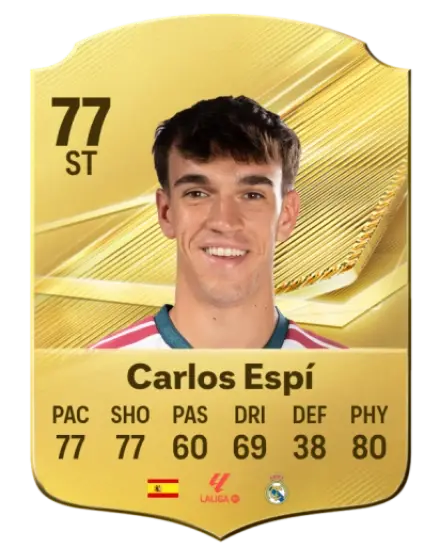
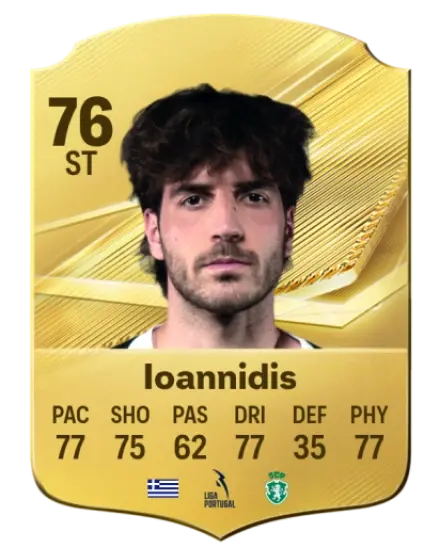
Carlos Espí and Ioannidis are a bit more interesting to me. Espí is a big No. 9 who gets some extra mobility, while Ioannidis gets more quality in the build-up. If I were choosing, I would rather use Repeatable on this kind of striker, where the base profile is already right and the card just needs a few details cleaned up.
Best FC 27 Evolution Chains
A single Evo can look good on its own, but that does not always mean the full upgrade path is worth the investment. FC 27 now lets you preview multi-step Evolutions, so the bigger question is which Chain can turn an average base card into something genuinely distinctive.
Best Evo Chains Right Now
Multi-step Evo Chains are still fairly limited this early in FC 27, and only a handful are really worth committing to from start to finish. The options below stand out because they do more than add a single OVR point. They can noticeably improve how complete a base card feels and give it a much clearer role in your squad.
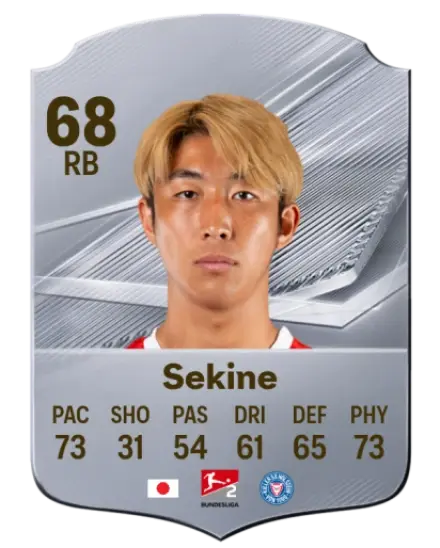
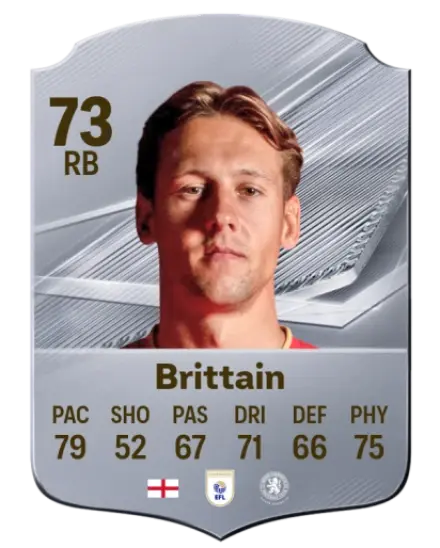
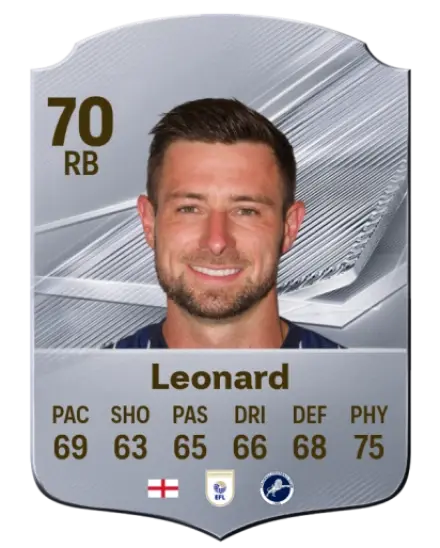
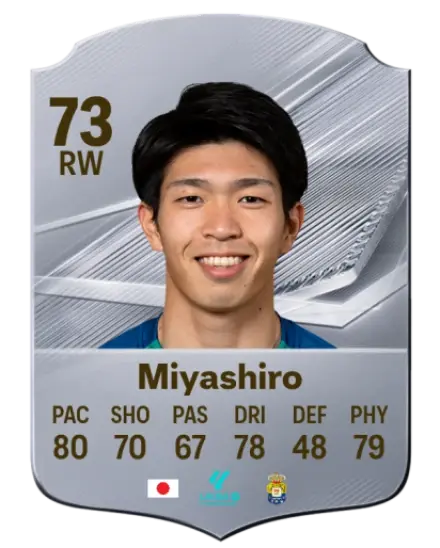
If I’m actually building an Evo Chain, I do not care that much whether the final card ends up at 79 or 80 OVR. What matters more is whether each step fixes a real weakness without pushing OVR, Pace, or PlayStyles past the requirements for the next Evo too early.
Sekine is a good example of why low-rated cards can be so fun to build. Each step fills another gap and the card keeps becoming more complete. Brittain and Leonard are different. Their base cards already fit the path well, so very little of the upgrade feels wasted.
Miyashiro also shows that an Evo Chain does not always have to be about chasing the Meta. Sometimes taking a card you already like and gradually shaping it into something that plays the way you want is more rewarding.
Best Players to Start an Evo Chain
The best Chain Starter is not always the strongest card right now. What matters more is having a good base in areas that Evos cannot easily fix later, such as skill moves, weak foot, body type, positions, PlayStyles, and a clean low-OVR stat spread.
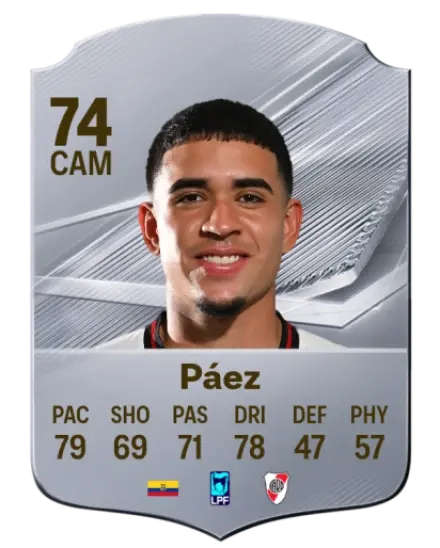
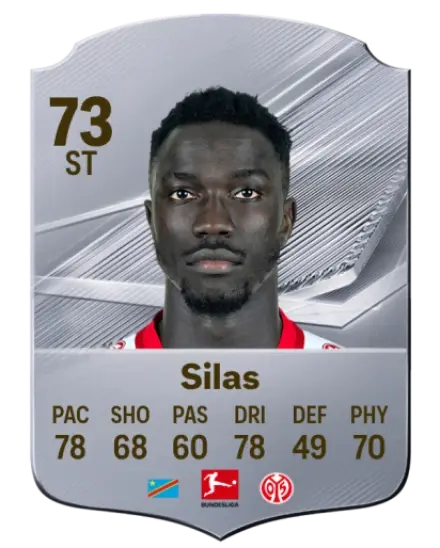
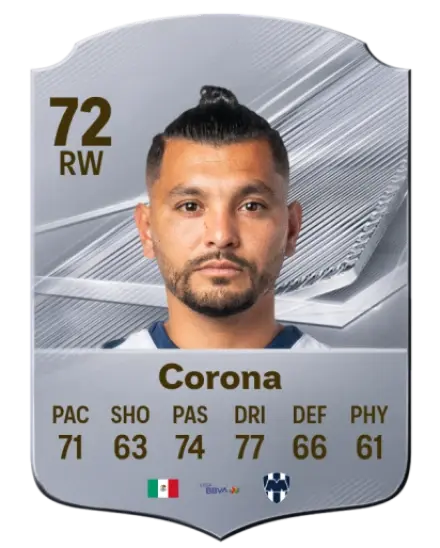
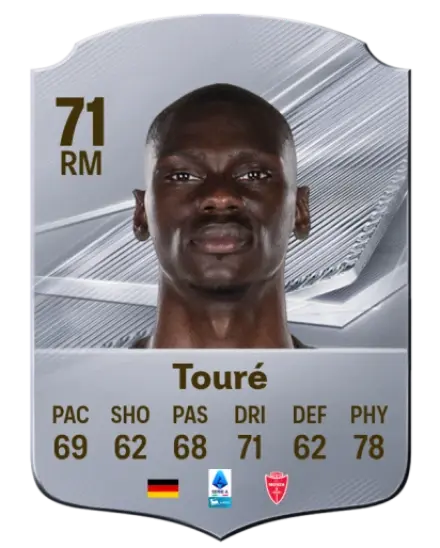
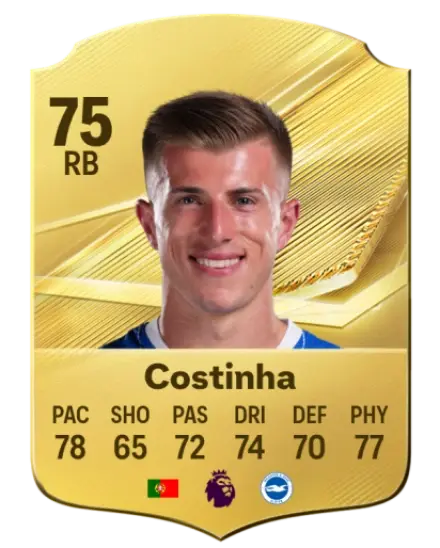
Picking a Chain Starter is not about finding the lowest-rated card possible. What matters is whether the card already has something worth building around. 5★ Skills or Weak Foot, a unique body type, useful PlayStyles, or multiple positions can all be more valuable than a low OVR on its own.
That is why I would rather commit to cards like Corona or Silas than a low-rated player with nothing distinctive about the base card. A good Starter does not need to be strong right away. You just need to be able to see what is missing and where future Evos can take it.
That is where Evo Chains are at their most fun.
How to Build a Better Evo Chain
The easiest way to mess up an Evo Chain is to look only at the upgrades in front of you. What matters just as much is whether the card will still fit the next Evo. FC 27’s Chain Preview lets you check where a card can go after each upgrade, so I normally map out the chain before committing to the first step.
1. Check the requirements before the upgrades
OVR, Pace, PlayStyles and positions can all stop a card from fitting the next Evo. Sometimes taking a smaller boost is better if it keeps the card eligible for another good Evo later.
2. Do not waste OVR
A +1 OVR is not always useful. If the rating goes up but the stats you actually care about barely move, you may just be pushing the card closer to an OVR cap for no real gain. Low-rated cards with good stats in the right areas are often easier to keep chaining.
3. Keep the stuff that is hard to add later
5★ Skills, 5★ Weak Foot, a good body type, useful positions and strong PlayStyles can matter more than a few extra points of Shooting or Passing. You can usually improve raw stats later. Those traits are much harder to replace.
4. Do not just pick the Pathway with the bigger boosts
With an Evo like Fullback Fork, I would choose the path that fixes what the card actually needs while keeping future Evos open. A smaller upgrade can be better than a higher OVR if it helps the card stay eligible for the next strong chain.
Once you have been chaining Evos for a while, you stop caring about how much one step adds and start looking at what the card can still fit afterward. Being 1 OVR lower is nothing. The real loss is taking a nice upgrade now and getting locked out of the next good Evo.
How to Choose the Best FC 27 Evolution Player
When I pick players for an Evo, I do not start with “who finishes with the highest OVR?” The best options usually already have a strong base, and the Evo fixes exactly what the card is missing. In FC 27, the small details matter more than ever, so choosing by overall rating alone can easily lead you to the wrong player.
Check the Evolution Requirements First
The first thing I always do is read the full Requirements, not just glance at the OVR cap.
A lot of Evos also check Pace, Position, PlayStyles, and how many positions a card has. Striker Glow Up, for example, does not just require OVR ≤79. It also needs Pace ≤84, requires ST, and excludes CAM and CM. You can find a low-rated card with great stats and still get locked out because of one extra position or a single point of Pace.
My rule is simple: first check if the card fits, then decide whether the Evo is actually worth doing. It saves a lot of wasted time.
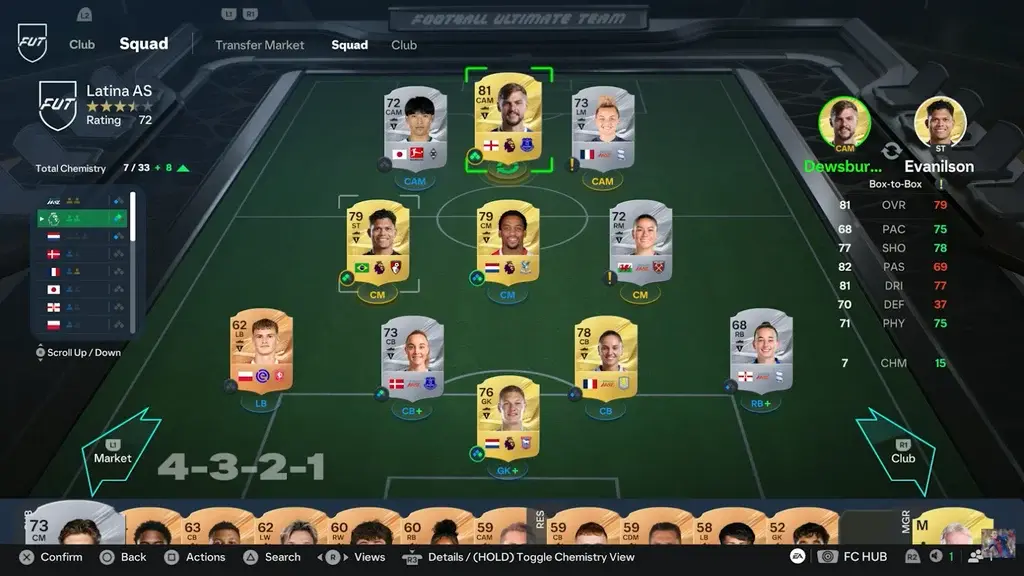
Match the Upgrades to What the Player Actually Needs
Fitting the requirements does not automatically make a card a good choice. What matters is whether the Evo is upgrading the areas that actually need work.
Take Dalot. His FC 27 base card already has 78 Physical, 83 Stamina, and 82 Aggression, but only 73 Passing and 74 Crossing. On a fullback like that, I would rather use an Evo to improve his distribution and progression down the wing than keep stacking physical stats he already has enough of.
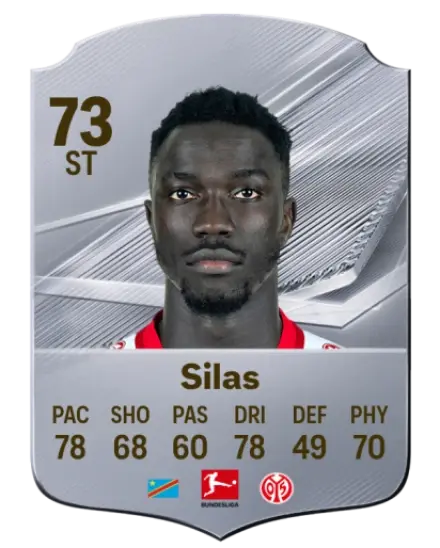
Silas is almost the opposite. He starts at just 73 OVR, but already has 78 Pace, 78 Dribbling, and a strong physical profile. The weaker areas are his 68 Shooting and 67 Composure. Striker Glow Up improves Finishing, Shot Power, Reactions, Agility, and Composure, so the boosts are going straight into the parts of the card that need them.
That is why I do not get excited just because an Evo says +10 Pace or +15 Shooting. The first question is always: does this card actually need it? If the stat is already close to the cap, a big-looking boost on paper may barely add anything.
Look at PlayStyles, Roles, Stars and Player Profile
This is the part I care about most: what does the card already have beyond its OVR?
PlayStyles affect how a player behaves in specific situations, so two cards that both finish at 80 OVR can still feel completely different in-game.
Silas is a good example. Even at 73 OVR, the combination of a tall frame and 5★ Skills already gives him something distinctive. Shooting, Passing, and other face stats can be fixed through later Evos. That kind of body type and star combination is much harder to add.
When you actually spend time with Evos, player choice gets pretty personal. Some people care about body type and how the card feels, some just want to keep upgrading a player from their club, and others would rather skip an Evo than push a favorite card in the wrong direction.
What’s New With Evolutions in FC 27?
FC 27 does not rebuild Evolutions, but it makes planning them much easier. You can choose between upgrade routes, preview longer Evo Chains, and develop some lower-rated cards through Training Camp before committing.
The main difference is simple: you can plan the card first instead of finishing one Evo and only then checking what still fits.
Evolution Pathways: Choose Your Upgrade Route
Some Evolutions in FC 27 now split into different Pathways instead of giving every card the same end result. One route might improve Dribbling and add Technical, while another could boost Defensive Awareness and add Jockey. Not every Evo branches, so the normal single-path format is still there too.
Intro to Pathway Evolutions is a good example. I would not just take the route with the bigger face-stat boost. If a fullback already defends well, more defending may not add much. If passing or dribbling is the weak point, I would rather use the Pathway to fix that instead.
That is how I look at Pathways: pick the route that fixes the card, not the one that simply gives the biggest numbers.
Evolution Chain Preview: Plan Before You Commit
If you chained a lot of Evos before, this is probably the change you will notice most.
Previously, it was pretty normal to finish one Evo and then open a third-party tool to check what the upgraded card could still fit. FC 27 now lets you put multiple Evolutions into a Chain Preview before committing. After each step, you can see which Evos the upgraded card would still fit based on the
projected OVR, stats, positions, and other requirements.
It still does not tell you which route is best, but it makes one of the easiest mistakes much easier to spot:
This Evo looks great now, but once the card gains that extra Pace or OVR, it no longer fits the Evo you actually wanted next.
That is why I usually click through a few steps before I submit the first Evo. If the card gets locked out later, I would rather know before I start.
Training Camp Evolutions: Upgrade Players in the Background
FC 27 also expands Training Camp Evolutions, which gives more lower-rated cards a way to grow without running the usual Evo objectives.
You send the player into Training Camp, wait for the required time, and then claim the upgraded card when it is done. The card still shows in your Club while training, but you cannot use it in matches during that period.
I would mainly use this for bench players, younger cards, or players I want to build later but do not need in the squad right now. I would not throw a regular starter in there without thinking about it first, because the card is genuinely unavailable while it is training.
PlayStyles Lab Returns in FC 27
PlayStyles Lab is not new to FC 27. It returns from FC 26 and starts showing up again from Season 1 as a recurring program.
The setup is a little different this time because eligible cards can already have some PlayStyles before they go into the Lab. You are not always starting from zero anymore. Instead, you are working with what the card already has and adding around it.
I prefer that. If every low-rated card eventually ended up with the same popular PlayStyles, most Evo projects would start feeling the same. Keeping some of the player’s original profile and then adding the PlayStyles you actually want gives you more reason to build different cards.
That is the fun part of Evos anyway. You are not just trying to make another Meta card. You are taking a card you like and slowly turning it into something that fits how you want to play.
Conclusion
After spending time with Evolutions in FC 27, they feel much more like long-term card projects than they did in the last two games. Pathways, Evo Chains, and the differences between individual cards mean OVR is only part of the decision. Body type, star ratings, PlayStyles, and whether an Evo actually fixes the card’s weak spots all matter.
Evolution Chain Preview, Training Camp Evolutions, and the returning PlayStyles Lab also make it much easier to plan ahead. If you already spent a lot of time on Evos before, that is probably the biggest difference this year: less guessing, more checking where the card can go before you commit.
If you want to Evo more of the players you actually like, extra FC 27 Coins give you a lot more freedom. You can get cheaper FC 27 Coins on GamsGo and keep building the cards you want.
FC 27 Evolutions FAQ
What Is the Best Evolution in FC 27 Right Now?
There is no single best Evo, but Fullback Fork and Striker Glow Up are two good early options. Fullback Fork gives you different upgrade paths, while Striker Glow Up can do a lot for low-rated STs.
Who Is the Best Player to Evolve in FC 27?
It depends on the Evo and what you want from the card. Dalot fits Fullback Fork well, while Silas is a strong Striker Glow Up option thanks to his tall frame, 5★ Skills, and good dribbling base.
Which FC 27 Evolution Should I Complete First?
I would start with a free Evo that fixes something your card actually needs. Fullback Fork is an easy early option, while Striker Glow Up works well if you have a low-rated ST that needs better shooting and mobility.
Can You Chain Evolutions in FC 27?
Yes. FC 27 lets you preview multiple Evos before committing, and each next option is checked against the upgraded card’s new stats and requirements. I always check the next step first so I do not get locked out later.
Are Evolutions Permanent in FC 27?
Completed upgrades stay on the card unless you remove the latest Evolution or all applied Evolutions from the Player Item action menu. Removing an Evo is final, so check the downgrade first.
Do FC 27 Evolutions Expire?
Some do. Get Within X Days is the deadline to activate the Evo, while Expires In X Days is the deadline to finish it. Completed levels stay, but you lose upgrades from unfinished levels once it expires.
Related Articles